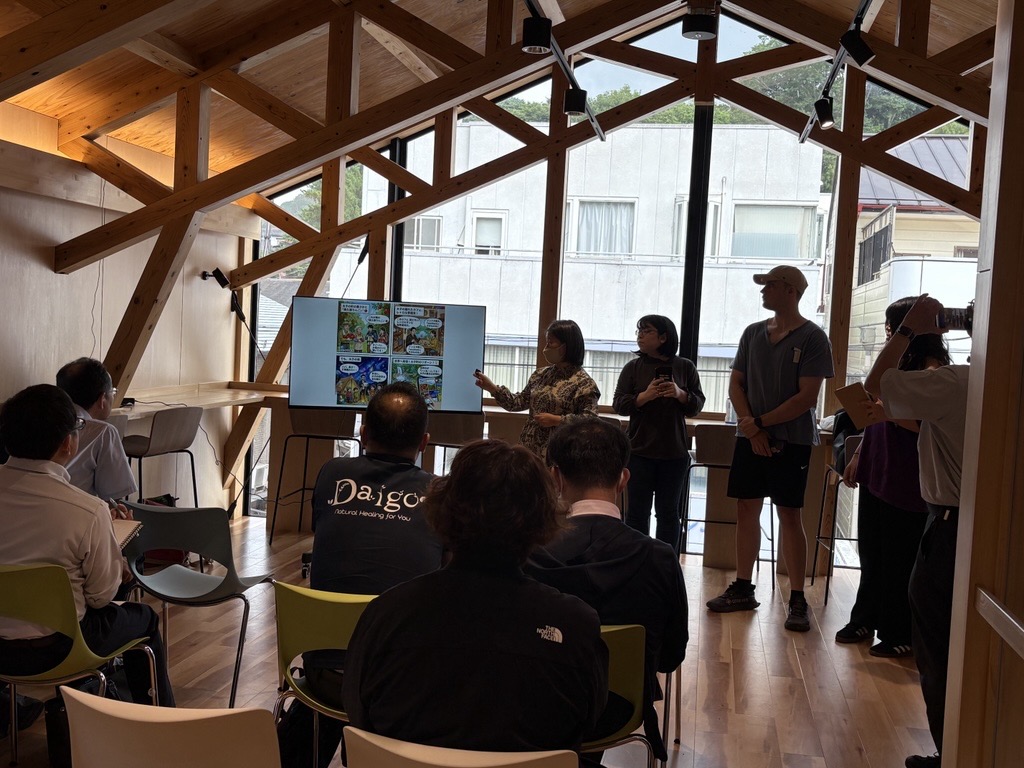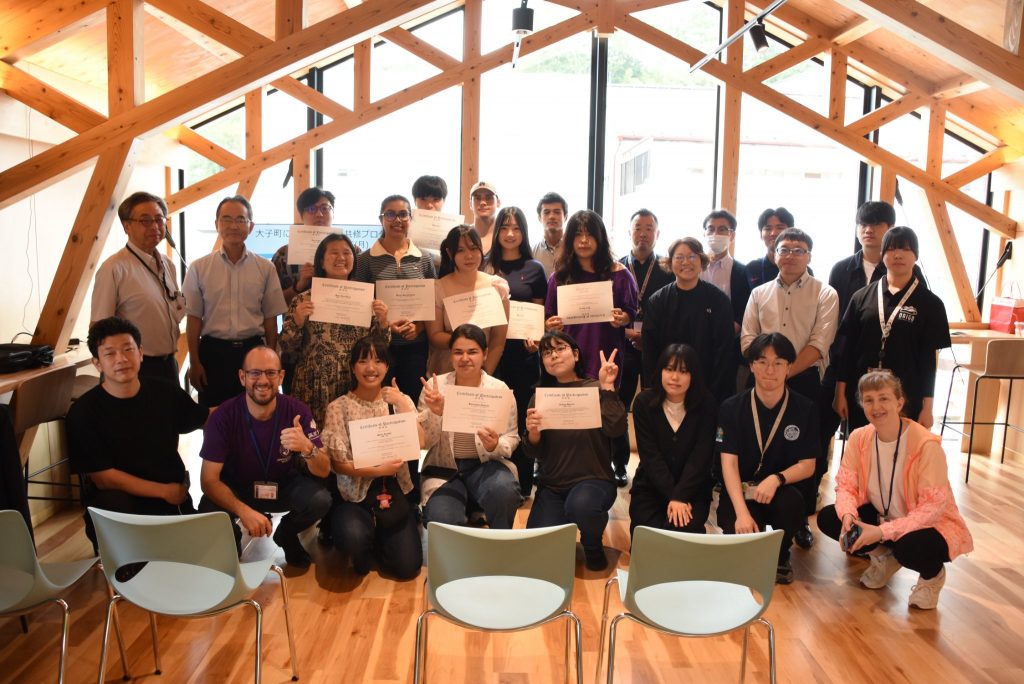
【Activity Report】GASSHUKU in Daigo Town: Multicultural Co-Learning for Solving Community Challenges in Daigo Town, Ibaraki
2026.7.15
From July 3 to 6, 2026, a Multicultural Co-Learning Program was held in Daigo Town, Ibaraki Prefecture, with the goal of addressing local community challenges. During the program, participants investigated issues facing Daigo Town through fieldwork, including the revitalization of the local shopping district, agricultural problems caused by wildlife damage related to climate change, and the growing need to accommodate inbound tourists. Working from multicultural perspectives, students developed proposals to address these challenges. To clearly demonstrate how their proposed solutions would create positive impacts on stakeholders’ lives, each team presented its ideas in the form of a manga-style story.
A preliminary study session was held on July 1, 2026. Participants learned about Daigo Town’s background and key challenges, as well as the basics of design thinking and manga story creation through video materials. Students and staff also introduced themselves and formed groups consisting of four students and one mentor (TA, university staff member, or external supporter) for group discussions. The fieldwork and workshops took place in Daigo Town from July 3 to 6. During the fieldwork conducted from July 3 to 5, each group visited organizations related to the issue they had selected, carried out site observations, and interviewed local stakeholders. On July 5, after completing the fieldwork, participants joined a workshop at the Daigo Town Training Center. Based on their field research, each group identified the key issues and target stakeholders, developed potential solutions, and created a manga-style story illustrating how their proposals could improve the lives of those stakeholders.
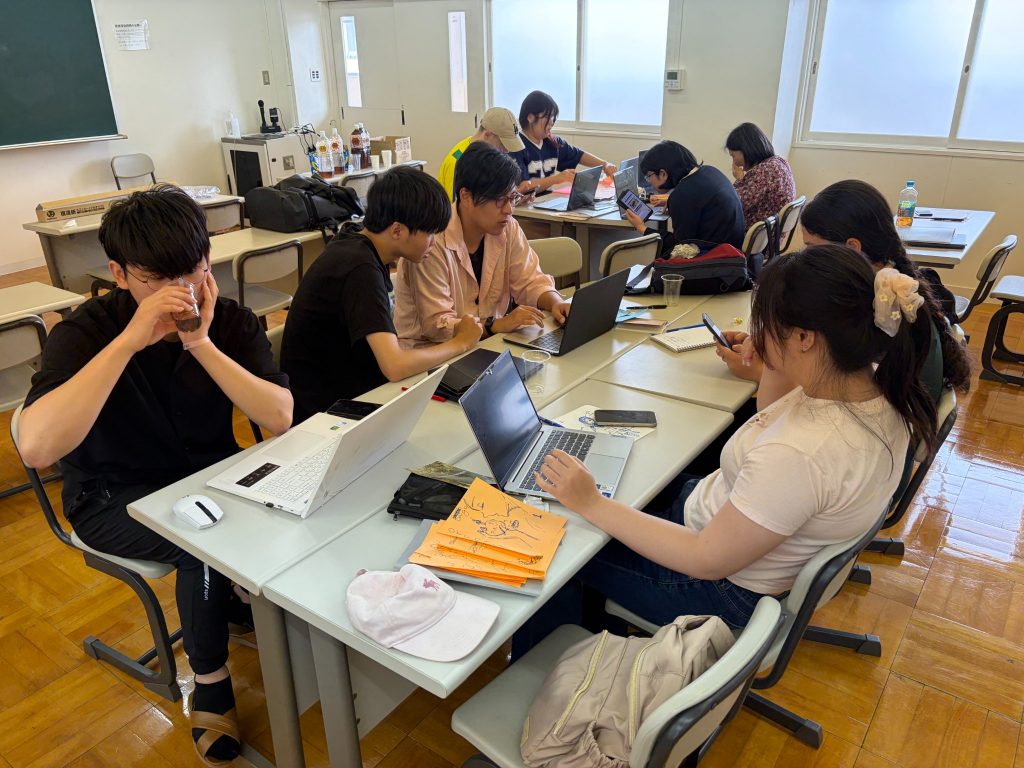
On July 6, a public final presentation was held at B.B.D., Daigo Town Community Exchange Center. Each group presented the local issue they had investigated, their proposed solution, and the manga-style story illustrating the impact of their proposal. Following the presentations, participants exchanged ideas and received feedback from local residents, business representatives, and officials from Daigo Town. After the presentations, the Deputy Mayor of Daigo Town presented each participant with a Certificate of Completion in recognition of their participation in the program.
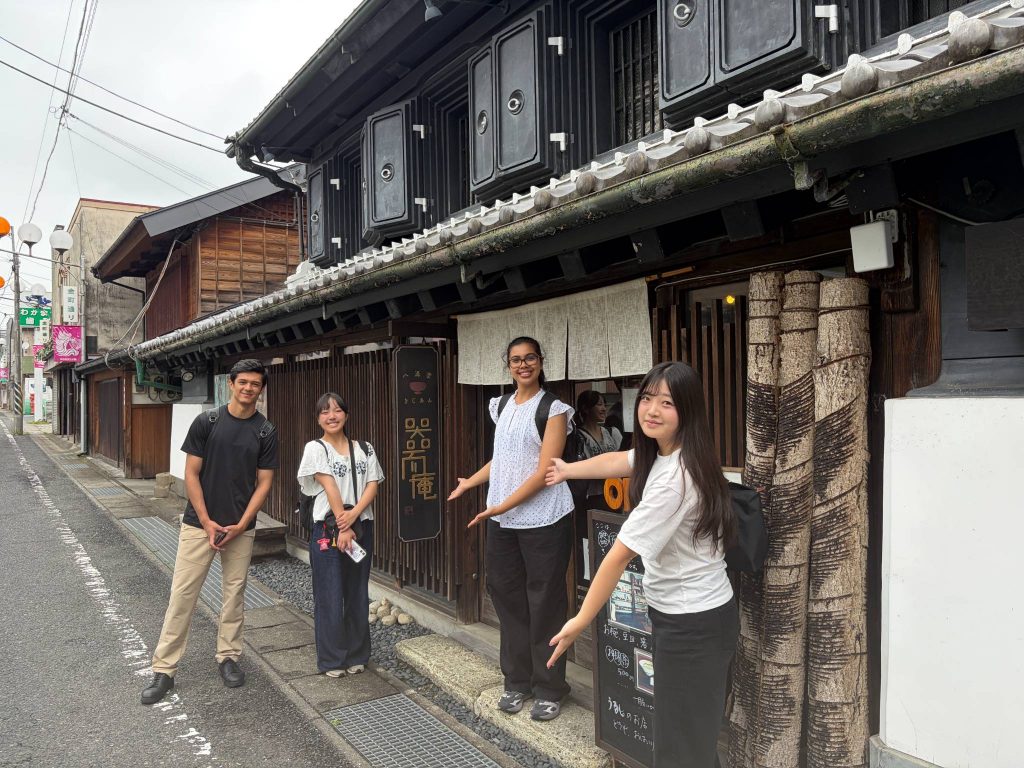
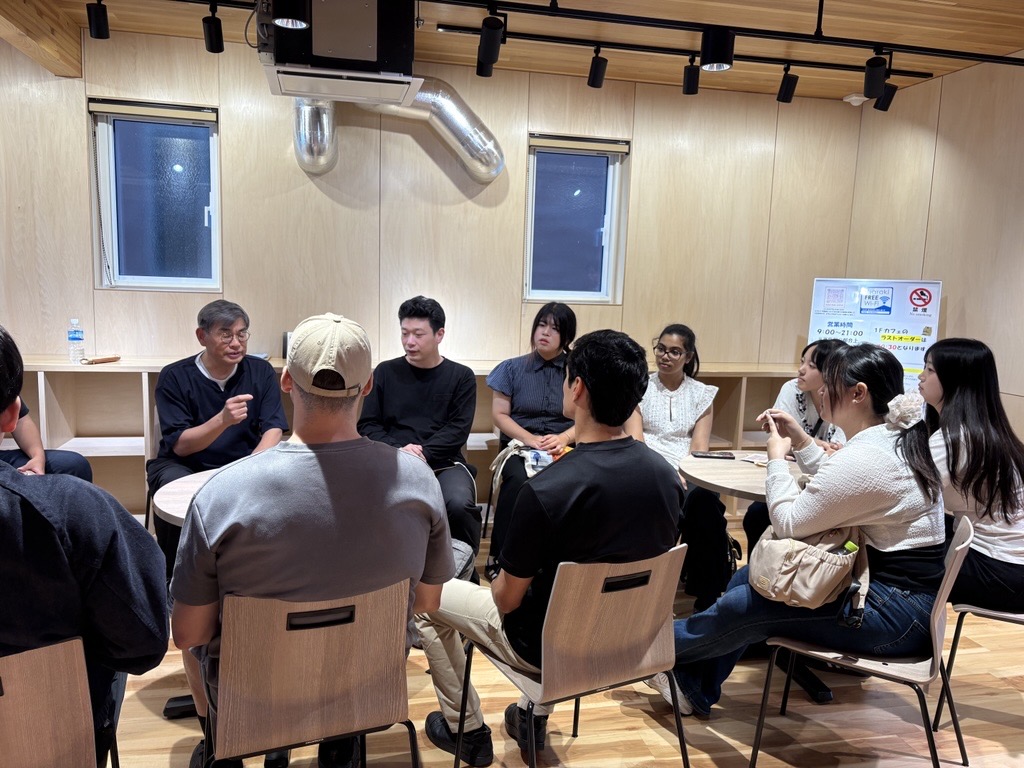
On July 8, after the program had concluded, a post-program reflection session was held at the University of Tsukuba Library, attended by 12 students and 7 staff members. During the session, each group presented what they had learned and the insights they had gained through the program. After the presentations, certificates of completion were presented by the program coordinator.
Through the fieldwork and workshops, both Japanese and exchange students developed a strong sense of unity within and across groups, regardless of their program, academic discipline, or year of study. Although communication among students was conducted in both English and Japanese, with some Japanese students not being confident in English, noticeable improvements were observed in the English proficiency of Japanese students and the Japanese proficiency of international students.
Compared with the previous year, the issues addressed in the workshops were observed to be more concrete. In addition, through the process of creating manga stories, participants were able to understand the issues and proposed solutions from the stakeholders’ perspective as intended. In every group, the participants went beyond the initial goal of creating a manga storyboard and successfully produced AI-generated manga.