【Activity Report】UT-NCKU Kuroshio Program in Japan: Connecting Japan and Taiwan through the Kuroshio Current was Conducted.
2026.8.6
This program was conducted with the aim of visiting museums related to disasters that occurred in eastern Japan and Tokyo, including the Great East Japan Earthquake, as well as other disasters such as earthquakes, fires, floods, epidemics, and war damage. Based on the experiences and reflections gained through these visits, students from the University of Tsukuba and National Cheng Kung University (Taiwan) shared their respective narratives (the foundation through which experiences, knowledge, and values are given meaning), expanded their Johari Window, and rewrote and updated their own narratives. Prior to the program, an overview of disasters and reconstruction in Japan and Taiwan was provided through JV-Campus. During the in-person pre-learning session held on July 10, students learned about the background and impacts of the Great East Japan Earthquake and the 921 Taiwan Earthquake, and studied perspectives to consider during museum visits.
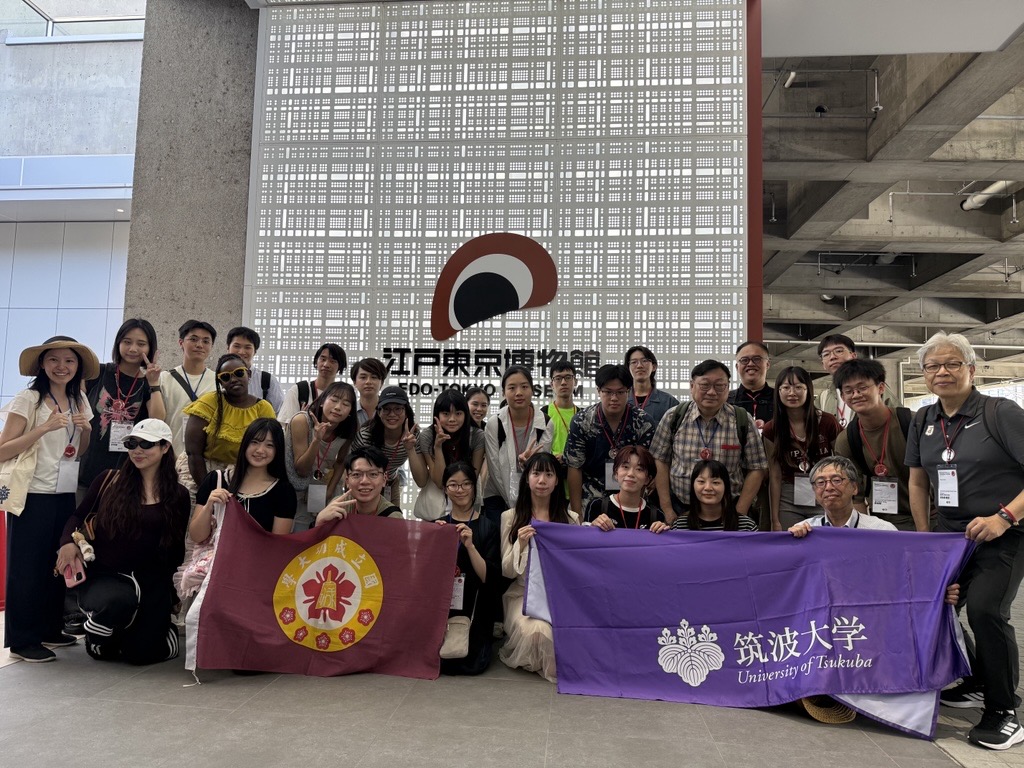
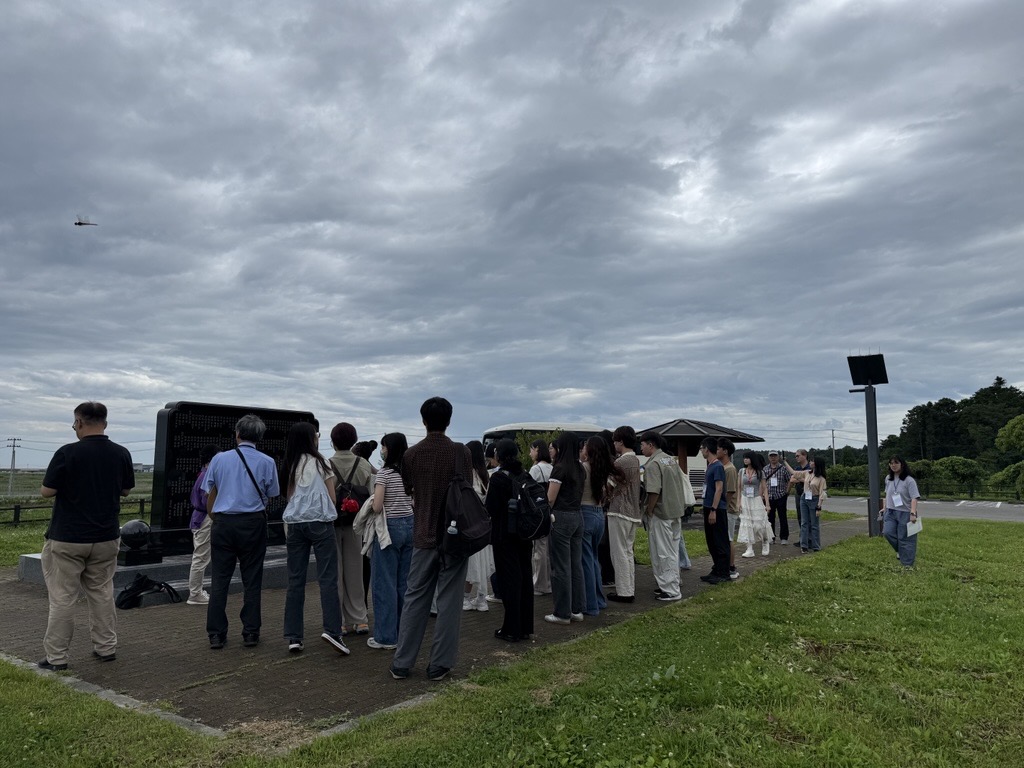
From July 13 to 16, students from National Cheng Kung University and the University of Tsukuba participated in field trips and group workshops. On July 13, students visited the Great East Japan Earthquake and Nuclear Disaster Memorial Museum, and on July 14, they visited the Edo-Tokyo Museum. During the museum visits, students observed how disasters are represented and presented in museums.
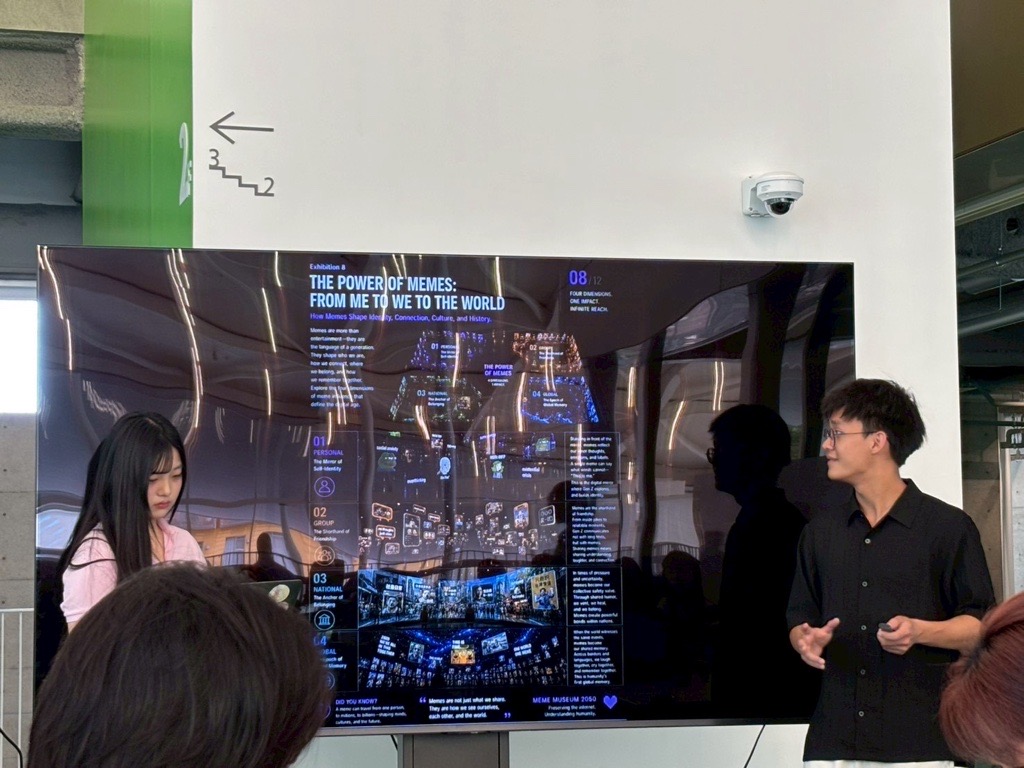
During the group workshop held on July 15 at the Future Society Design Building of the University of Tsukuba, students first shared photos they had taken during the museum visits. They wrote their interpretations and meanings of the photos on sticky notes and shared how they personally understood the museum exhibits. Then, they placed the photos into the four quadrants of the Johari Window to visualize what they mutually recognized and what they had not noticed themselves. Afterwards, each group imagined an undesirable society in the year 2050 and proposed concepts for museums in that future society, including what and how exhibits should be displayed.
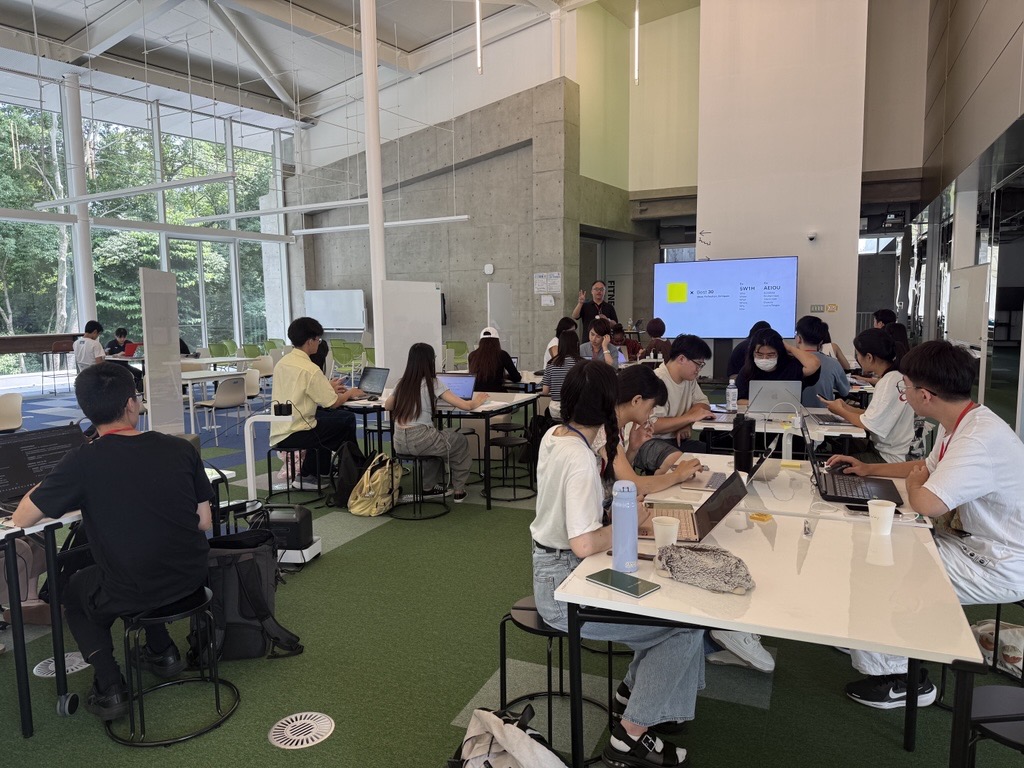
On July 16, students continued the group workshops and discussed what actions should be taken today to prevent an undesirable future in 2050. Each group presented their ideas.
On July 21, a post-program learning session was held. Each participant shared how they would apply the insights and lessons gained from this program to their future university life and career design.
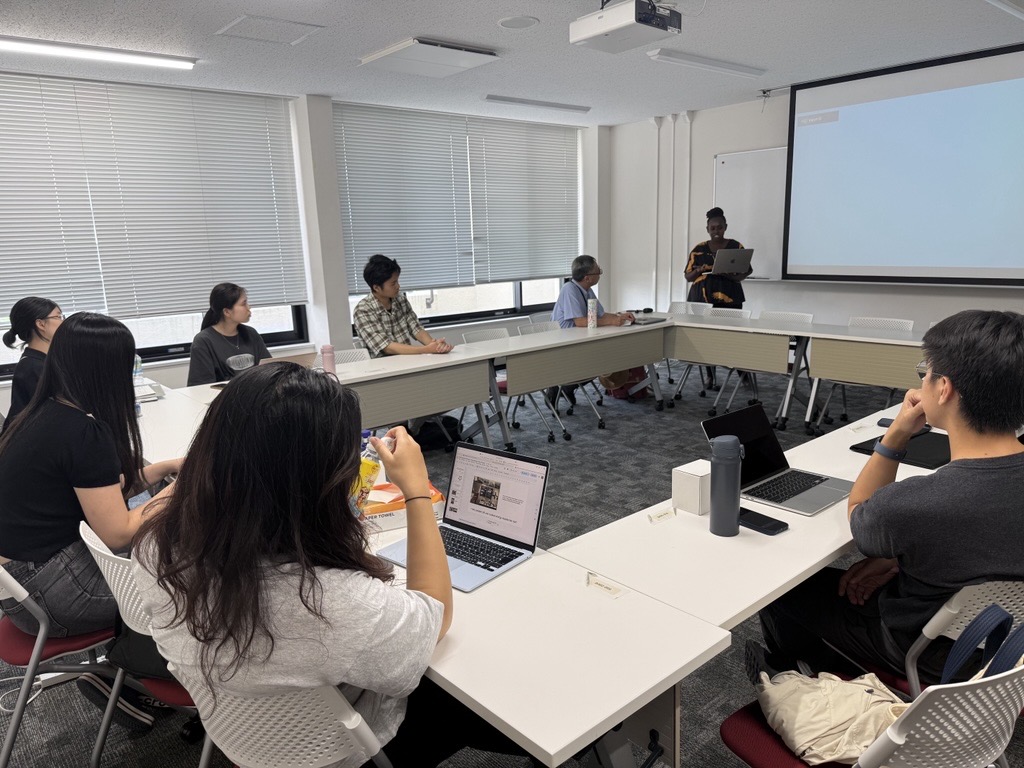
Through experiencing disaster memories and records from the perspective of museums, and by sharing their own experiences with other students during the workshops, participants were able to expand their Johari Window. They also learned perspectives that connect the future and the present through the workshops. In the post-program presentations, students shared various insights, including the importance of interdisciplinary learning and proactive communication, as well as their desire to apply Japan’s experiences with disasters and disaster prevention when considering disaster prevention policies in their own countries. These reflections confirmed that the program greatly encouraged students’ growth and development.