
25.11.13
2025年10月31日、クイーンズランド大学(UQ)の東アジア担当グローバル戦略・パートナーシップ・マネージャーであるリサ・ドリュー氏が、筑波大学を訪問し、両大学間の連携を強化するとともに、多文化共修とソーシャルインパクトの創出を目的とした本学の「GASSHUKU」および「DOJO」という新しい学生交流プログラムについて協議しました。
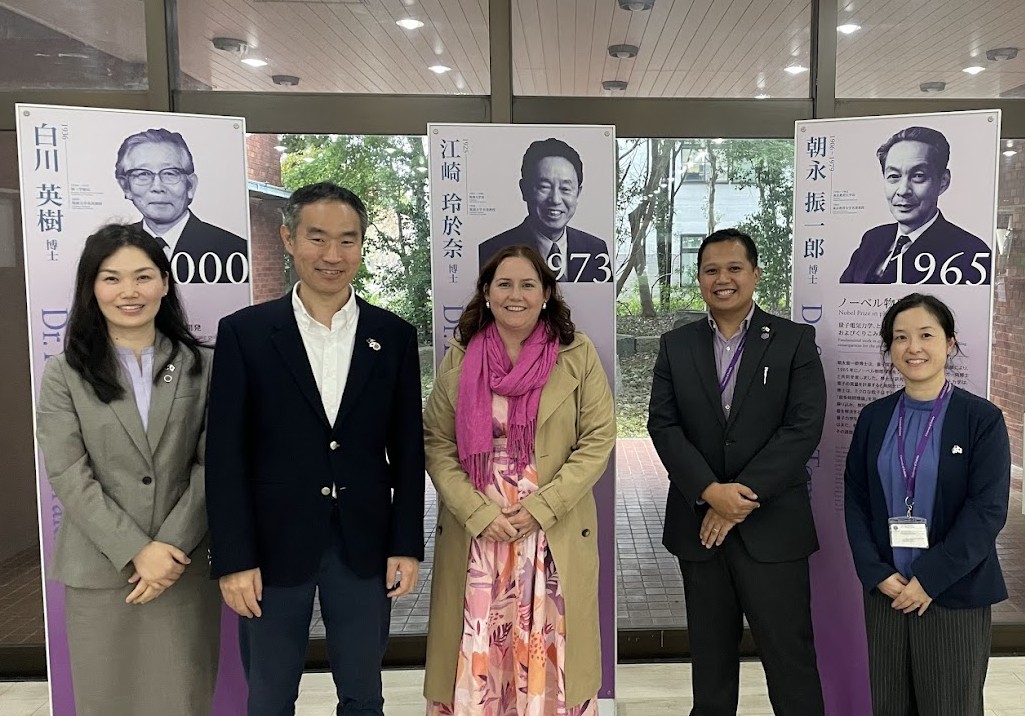
Lisa Drew, the University of Queensland’s (UQ) Manager of Global Strategy and Partnerships for East Asia, visited University of Tsukuba (UT) on October 31, 2025. The visit focused on strengthening institutional ties and discussing new student mobility programs, specifically UT’s “GASSHUKU” and “DOJO,” which are designed to foster multicultural co-learning and social impact.

日本における「GASSHUKU」
提案されている「GASSHUKU」プログラムは、日本を舞台に実施する多文化共修でPBL(課題解決学習)を含む形の質保証されたプログラムです。UQの学生は日本を体験し、自らのスキルを新しい形で応用することができるようになります。
UQの学生は筑波大学の学生と直接協働し、多様な分野の専門知識を応用して、日本の地域課題の解決に取り組みます。この協働モデルは、語学習得にとどまらず、異文化理解を深め、実践的な問題解決能力を高めることを目的としています。
GASSHUKU in Japan
The proposed “GASSHUKU” activity would significantly expand the traditional student mobility model, which focused primarily on Japanese language training. This enhanced, immersive experience would allow UQ students to explore Japan and apply their skills in new ways.
UQ students will work directly with University of Tsukuba students, applying their academic knowledge from diverse fields to address local issues in Japan. This collaborative model aims to deepen cultural understanding and practical problem-solving skills, moving beyond language acquisition.
オーストラリアを舞台に行う多文化共修
海外(DOJO)を舞台に行う多文化共修についても協議されました。UQの世界トップレベルの海洋科学施設を活用することに重点が置かれ、インパクトの大きい複数の研究トピックについて議論されました。
例えば、UQの著名な「ヘロン島研究ステーション」の活用が提案されました。グレート・バリア・リーフに位置するこのステーションは、サンゴ礁研究における世界有数の施設の一つです。筑波大学の学生は、サンゴの生物多様性の研究や、サンゴ礁保全という差し迫った課題への取り組みなど、重要なプロジェクトでUQの専門家と協働する機会を得ます。
DOJO in Australia
In this activity, UT students would travel to Australia. Several high-impact research topics were discussed, with a significant focus on leveraging UQ’s world-class marine science facilities.
A key proposal involves utilizing UQ’s renowned Heron Island Research Station. Located directly on the Great Barrier Reef, this station is one of the world’s premier facilities for coral reef research. UT students would have the opportunity to collaborate with UQ experts on vital projects, including the study of coral biodiversity and the pressing challenges of reef conservation.
ソーシャルインパクト創出のためのパートナーシップ
両大学は、従来の学生交流の枠組みを超えて、「GASSHUKU」と「DOJO」を社会へのインパクトを創出するプロジェクトとして位置づけることにより、学生が地球規模の課題に取り組むための準備を整える、より強固なパートナーシップの構築を目指しています。
A Partnership for Social Impact
Both universities expressed a clear aim to move beyond traditional student exchanges. Through “GASSHUKU” and “DOJO” social impact projects, UT and UQ seek to build a more robust partnership that prepares students to tackle global challenges.