26.03.24
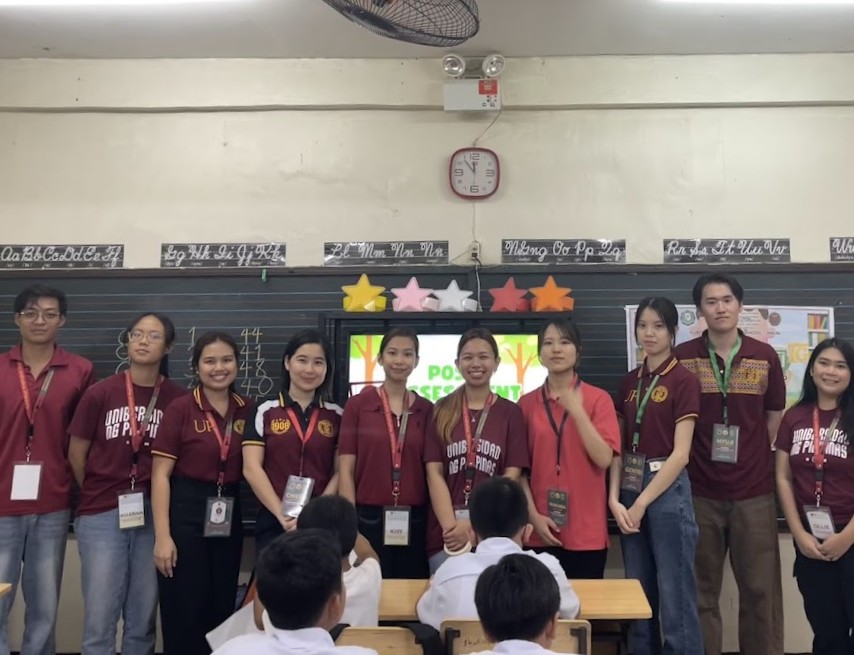
2026年2月20日から3月1日にかけて、筑波大学の学生12名(学群・大学院の各分野)がフィリピンにてソーシャルインパクトプロジェクトに参加しました。本活動では、フィリピン大学ロスバニョス校(UPLB)と教育省(DepEd)が連携して実施する「DUNONGプログラム」に参画し、主に小学校中学年(4~6年生)の読解力向上を目的とした取り組みを学び、実践しました。
Bridging the Gap: The DUNONG Program’s Mission for Literacy and Nutrition
From February 20 to March 1, 12 students from various faculties of University of Tsukuba participated on a Social Impact Project in the Philippines. This activity focused on the DUNONG Program, a collaborative effort between the University of the Philippines Los Baños (UPLB) and the Department of Education (DepEd) aimed at improving reading proficiency among Grade 4 to Grade 6 students in the Philippines.
A Holistic Approach to Learning
The DUNONG Program is built on the philosophy that a student’s ability to learn is tied to their environment and health. This is addressed through three interconnected pillars:
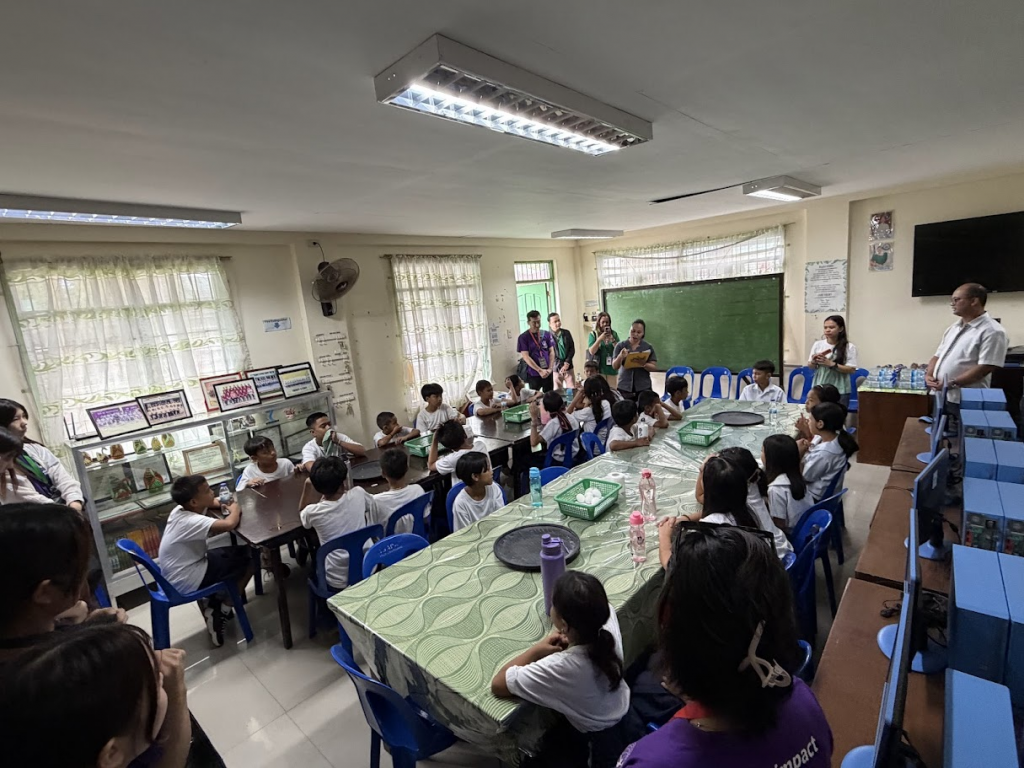
READ Component: Managed by Ugnayan ng Pahinungod (the university’s volunteer arm), this initiative brings remedial reading courses to selected elementary schools in Laguna. Each school identifies 30 students in urgent need of literacy support, who then receive specialized instruction for one hour a week over a 120-day cycle.


Nutri-Nurture Component: Recognizing that hunger is a barrier to education, the UPLB Institute of Human Nutrition and Food (IHNF) ensures that every child in the READ program receives a daily boiled egg. In partnership with the National Egg Board, this protein supplementation aims to provide a measurable improvement in students’ nutritional status.


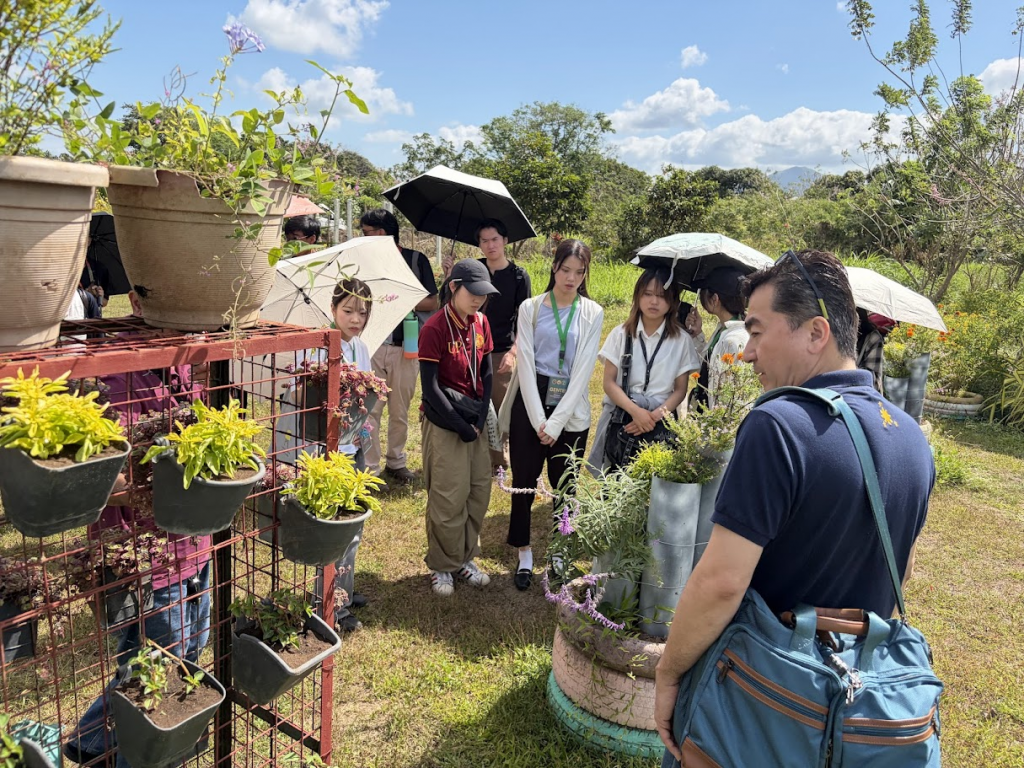
TEACH-OA Component: To ensure long-term sustainability, the UPLB Organic Agriculture Research, Development, and Extension Center (OARDEC) trains teachers to manage school gardens. These organic plots serve as a direct resource for the schools’ broader feeding programs.


Collaborative Innovation in Laguna
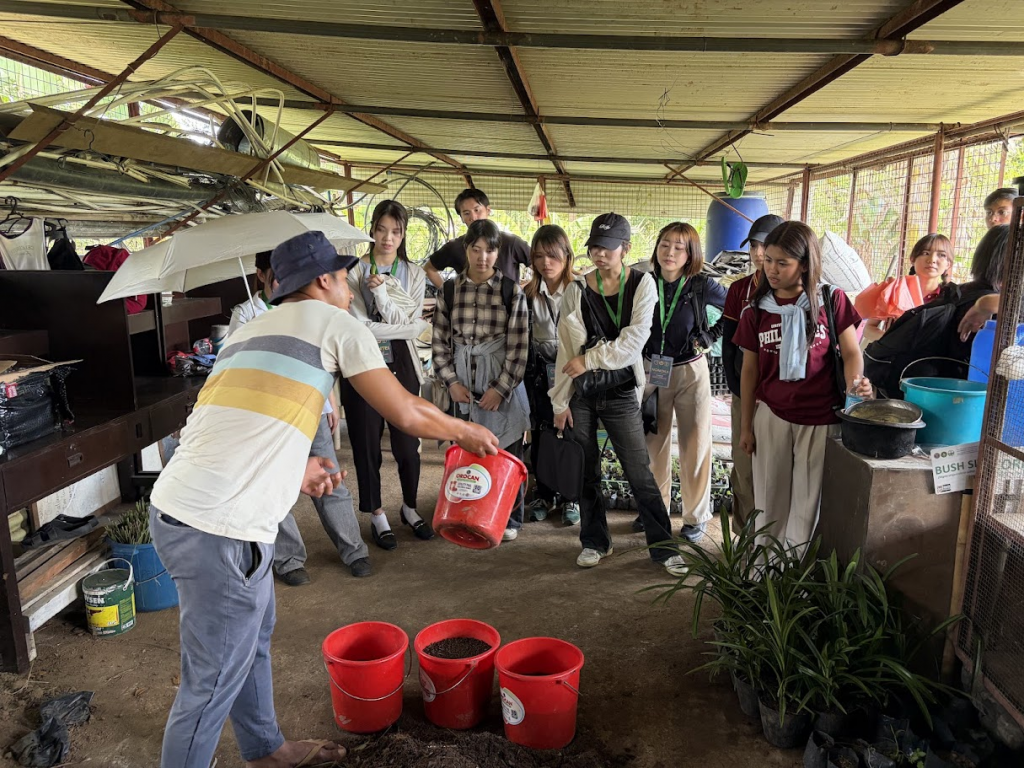
Throughout the week, UT and UPLB students immersed themselves in these three components. The teams visited different schools across Los Baños, Bay, Nagcarlan, and Sta. Cruz to conduct READ teaching sessions. They also observed the Nutri-Nurture feeding program at Bayog Elementary School and visited the OARDEC farm to study local agricultural initiatives.
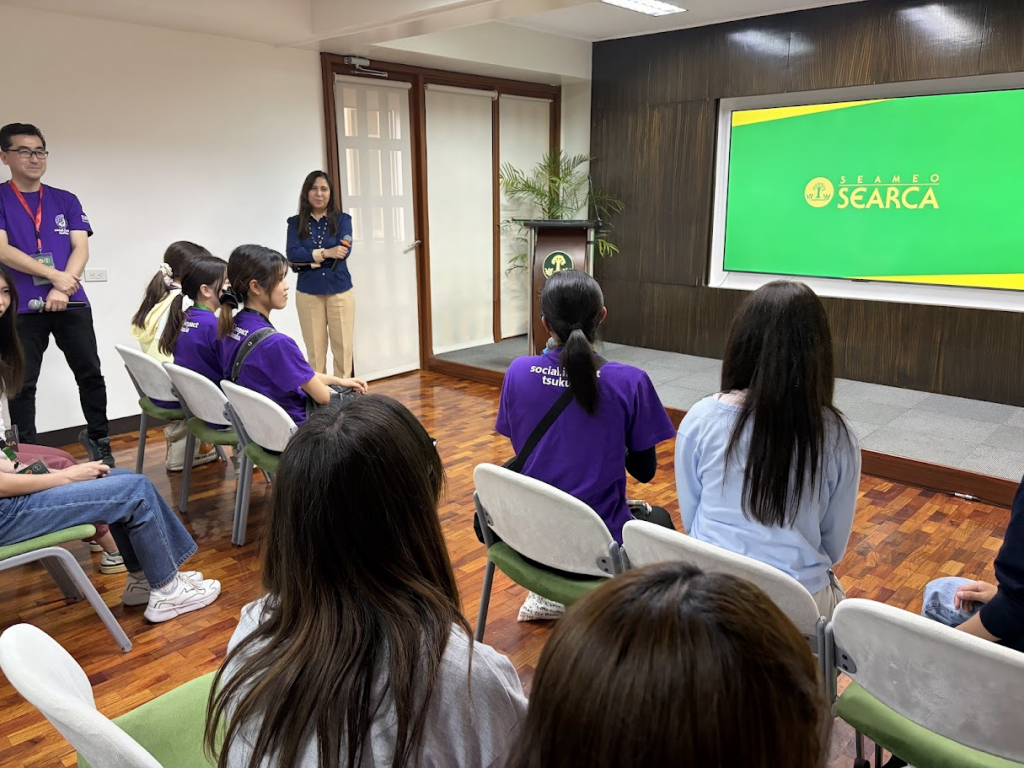
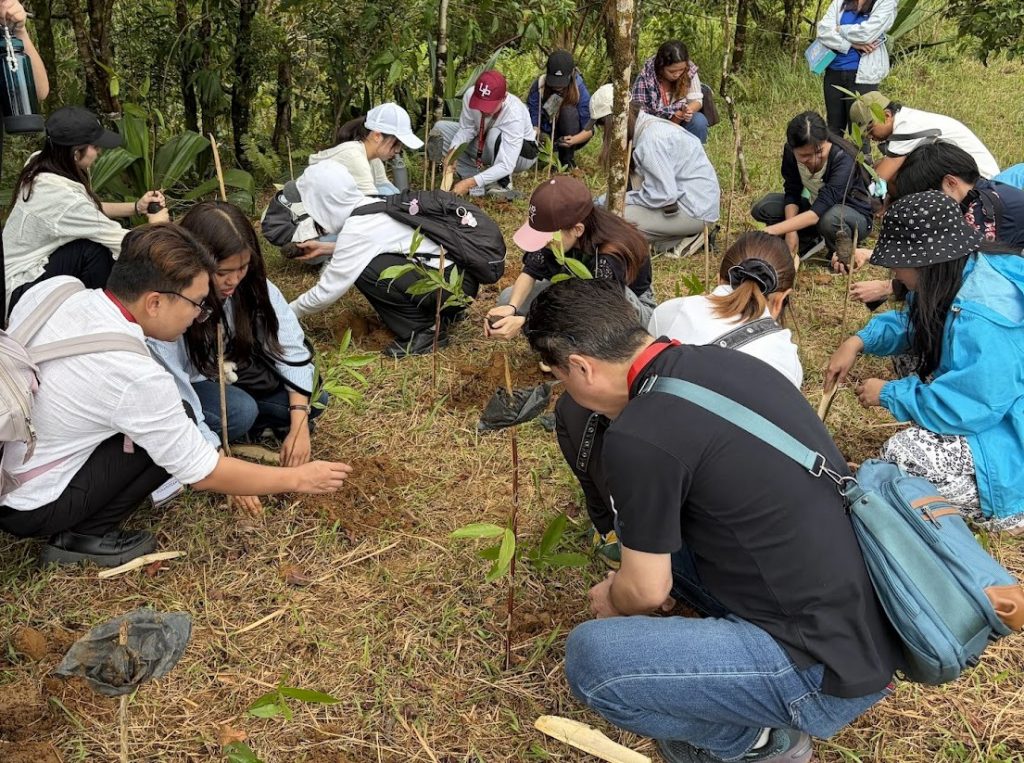
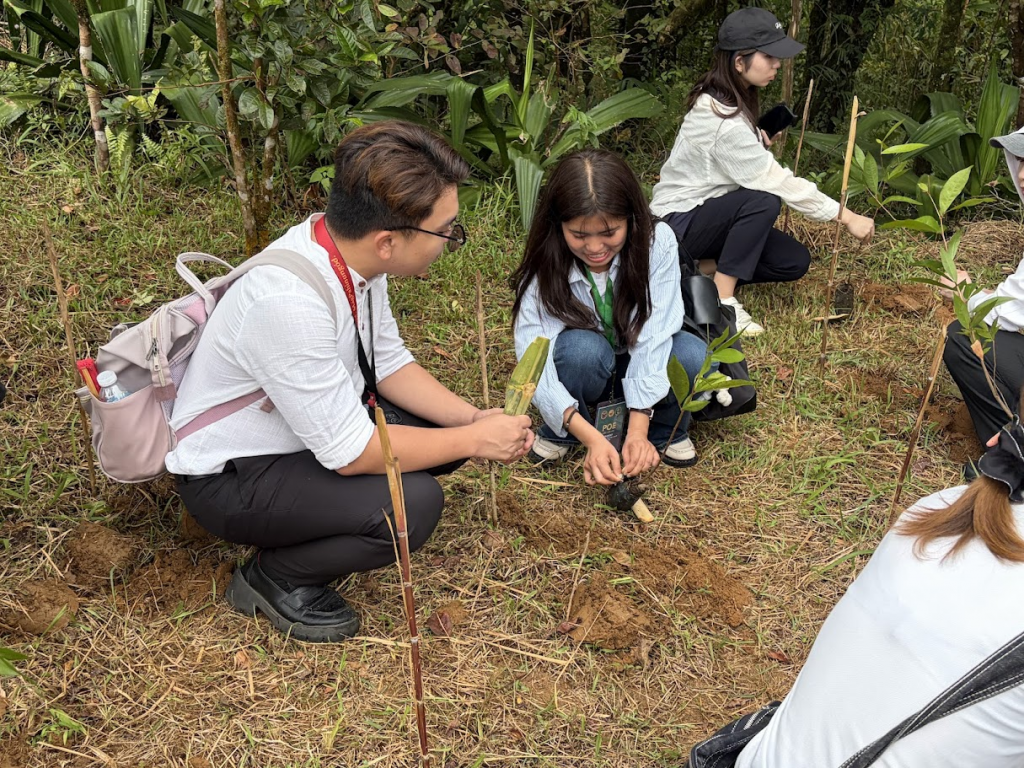
Teams also had an opportunity to visit SEARCA (Southeast Asian Regional Center for Graduate Study and Research in Agriculture) to discuss sustainability efforts in Food Security and Agriculture; and UPLB Land Grant at Sierra Madre Mountain Range to learn about the forest rehabilitation efforts. Sierra Madre is known for protecting communities in Luzon against typhoons. Teams also volunteered to conduct tree-planting activities in areas previously damaged by illegal logging.


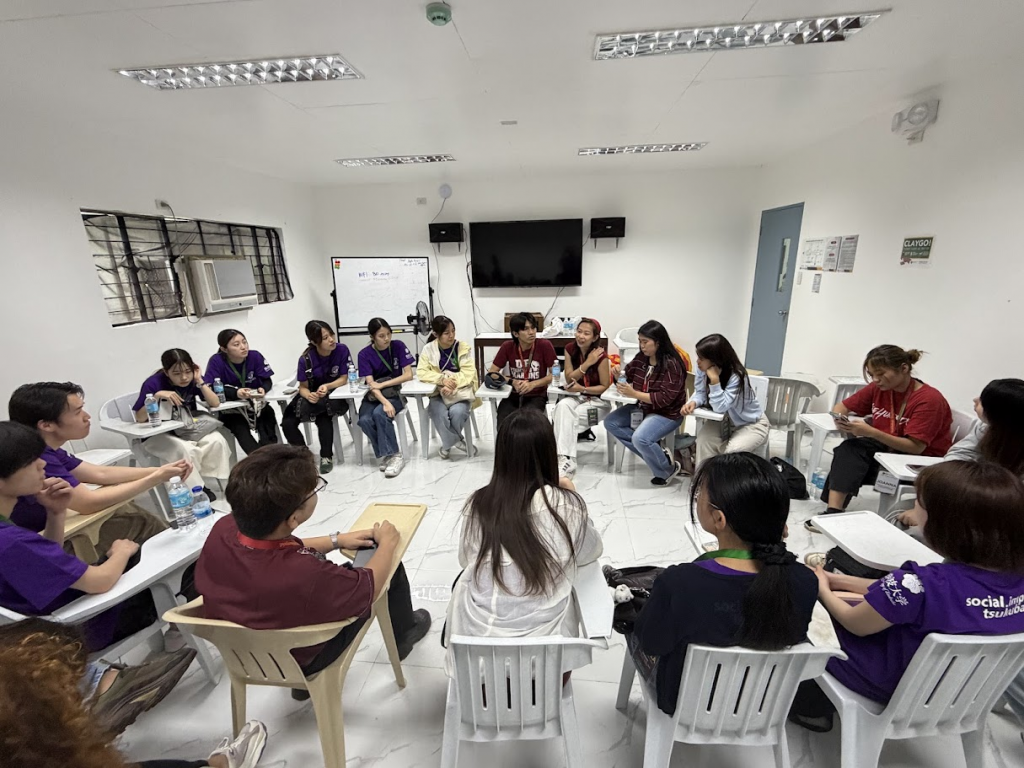
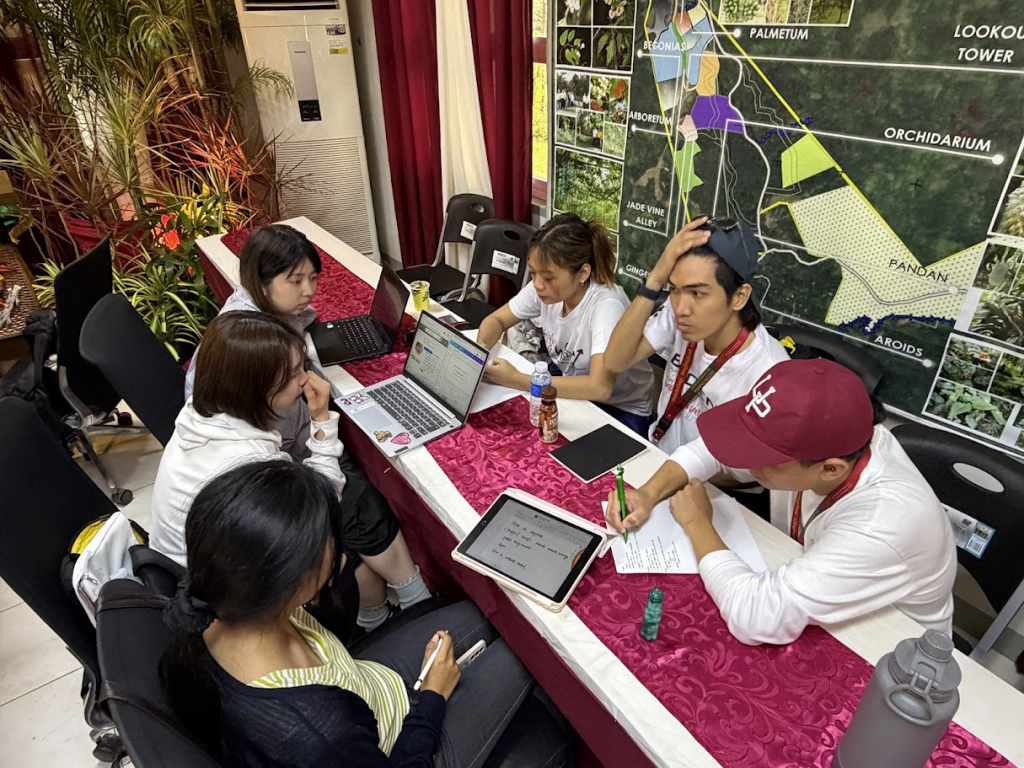
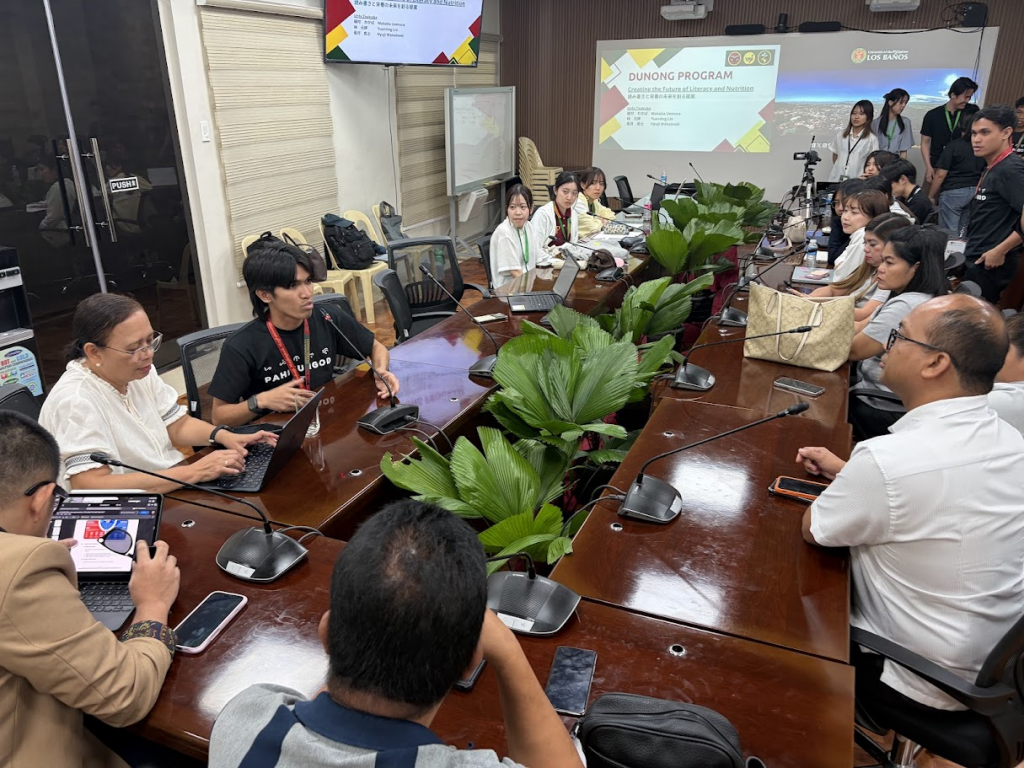
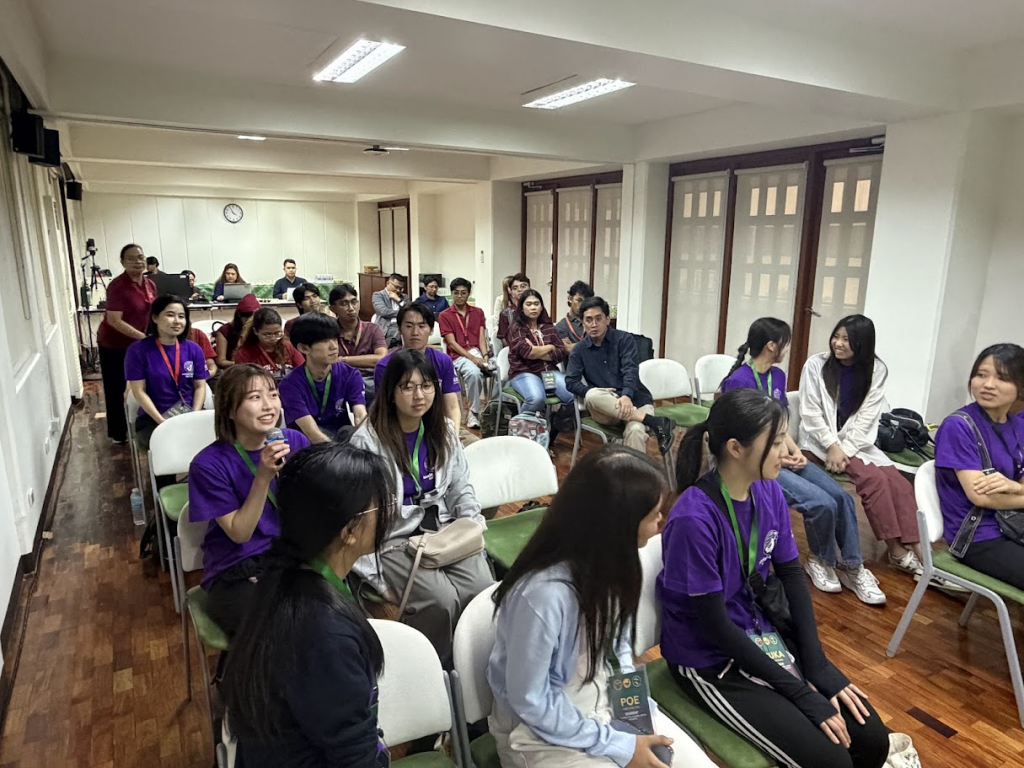
Students discussed with various stakeholders during their immersion in each component. After each field activity, four mixed teams of UT and UPLB students held debriefings to reflect on their observations. These sessions culminated in a series of workshops where students drafted innovative proposals for local stakeholders. By blending Japanese educational practices with local strategies, the students presented a range of solutions—some of which were identified by the UPLB Chancellor and school representatives for immediate implementation.


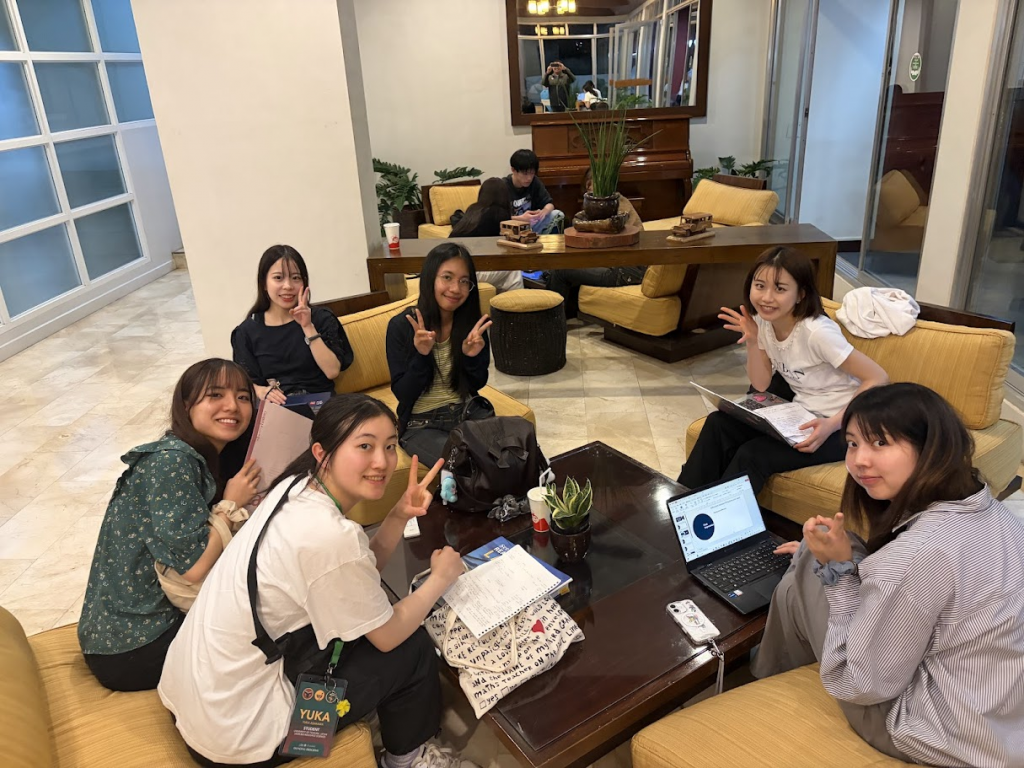
UT and UPLB students exchanged their observations and reflections during their participation in the different DUNONG Program components. They exchanged ideas for potential improvements and co-created proposals based on their discussions.

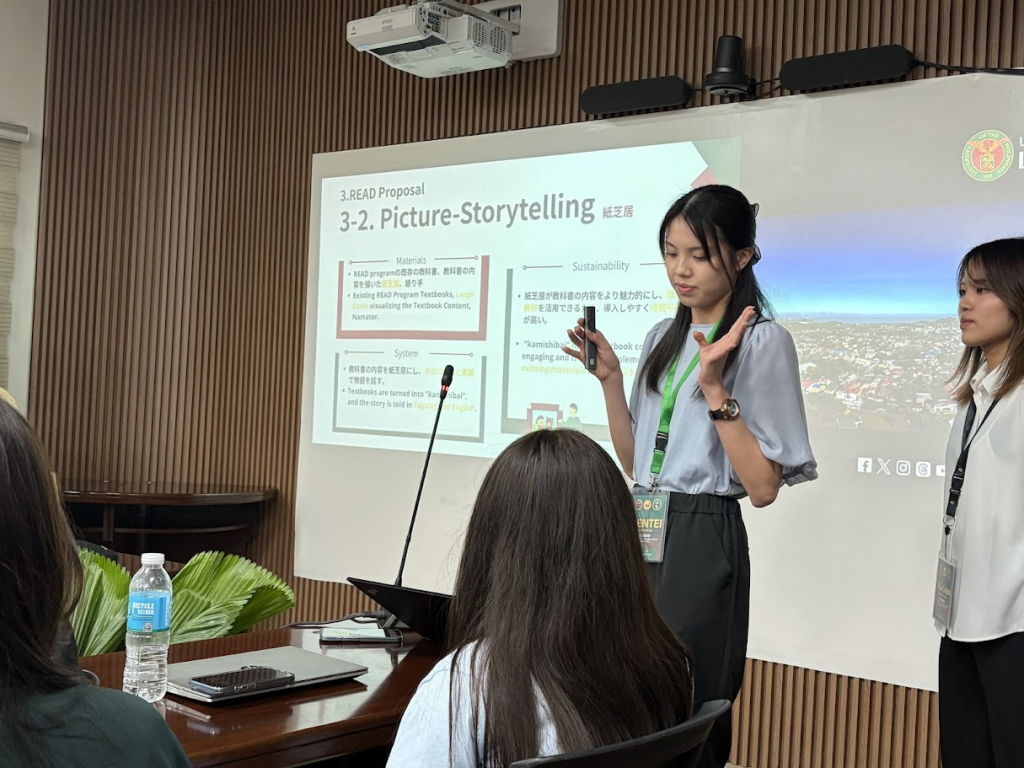
Proposal Brush Up Workshop with UPLB Chancellor, Prof. Jose V. Camacho Jr. Each team presented their ideas to Chancellor Camacho and received feedback to brush up their presentations


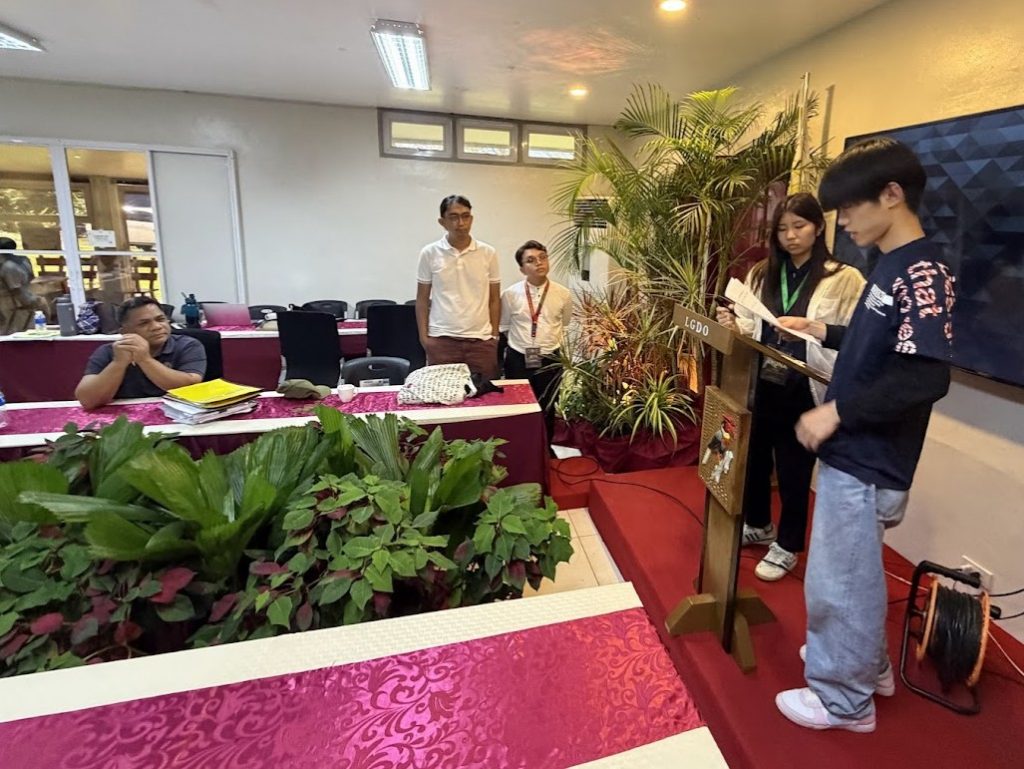
Teams presented their proposed improvements to volunteers and officials of the participating schools for the DUNONG Program. They discussed the feasibility of implementing each proposal.
From Luzon to Mindanao: Expanding the Vision
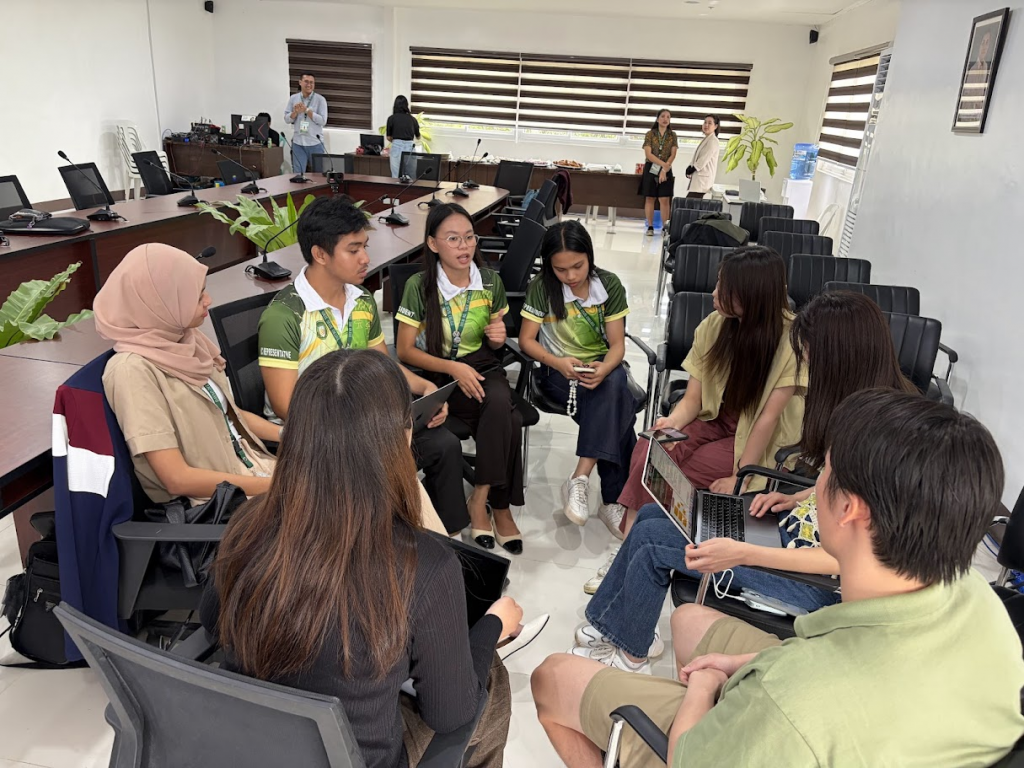
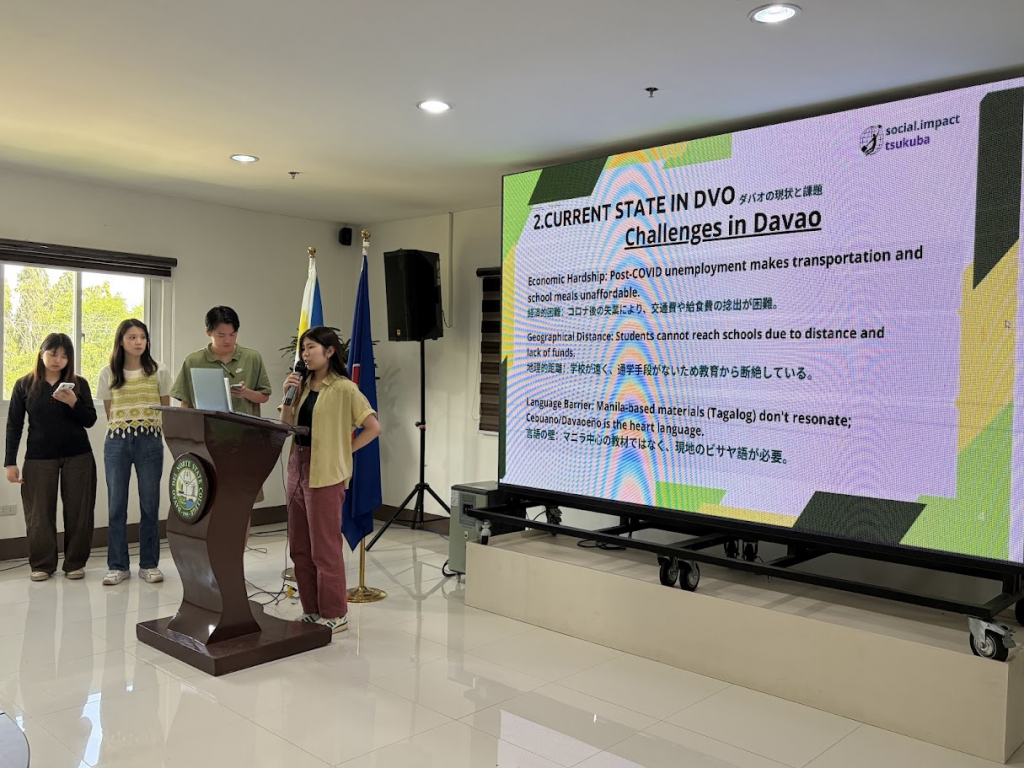
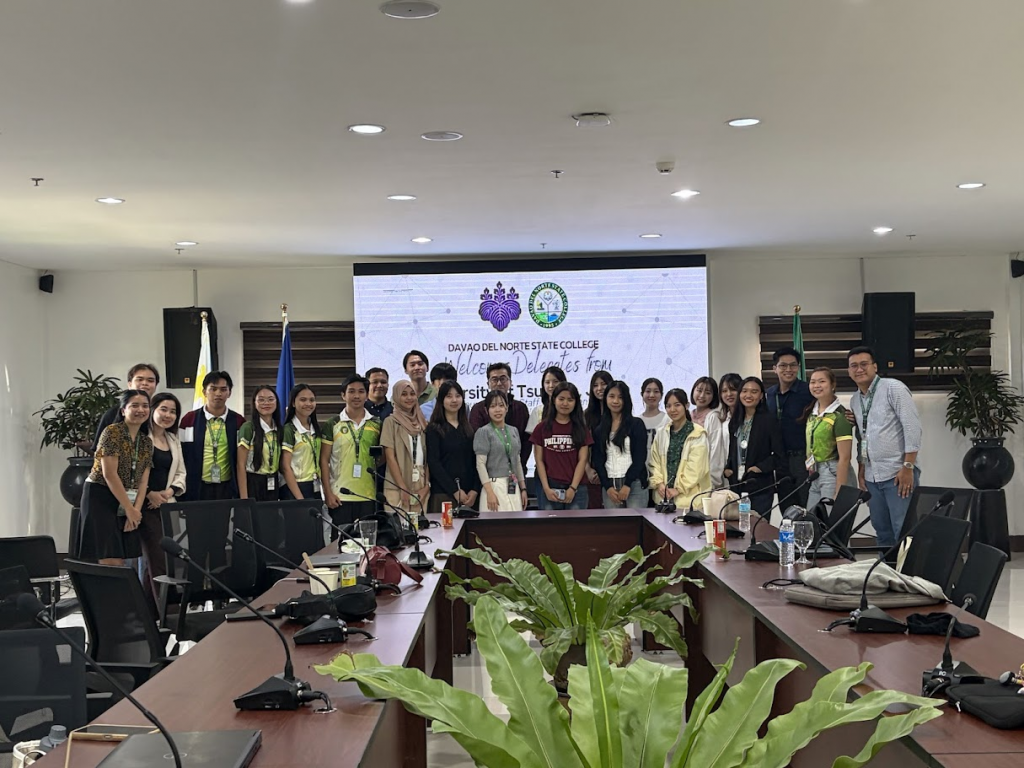
The project’s impact extended beyond the initial pilot sites in Laguna. Following the UPLB activities, the UT students traveled to Davao del Norte State College (DNSC) in Mindanao. They were welcomed by DNSC President Prof. Joy Sorrosa—herself a UT alumna—who facilitated a multicultural co-learning workshop.
Because the DUNONG Program is currently a pilot initiative based in Luzon, the visit to Panabo City offered a unique opportunity to test the concept in a different regional context. Mixed teams of UT and DNSC students analyzed the local resources and stakeholders available in Mindanao, brainstorming how the DUNONG model could be adapted to fit the specific needs of the southern Philippines.


By the end of the program, the UT students had done more than just participate in a literacy project; they had become ambassadors for the DUNONG concept. Their work helped bridge the gap between regions, potentially laying the groundwork for a nationwide strategy to combat “learning poverty” in the Philippines.


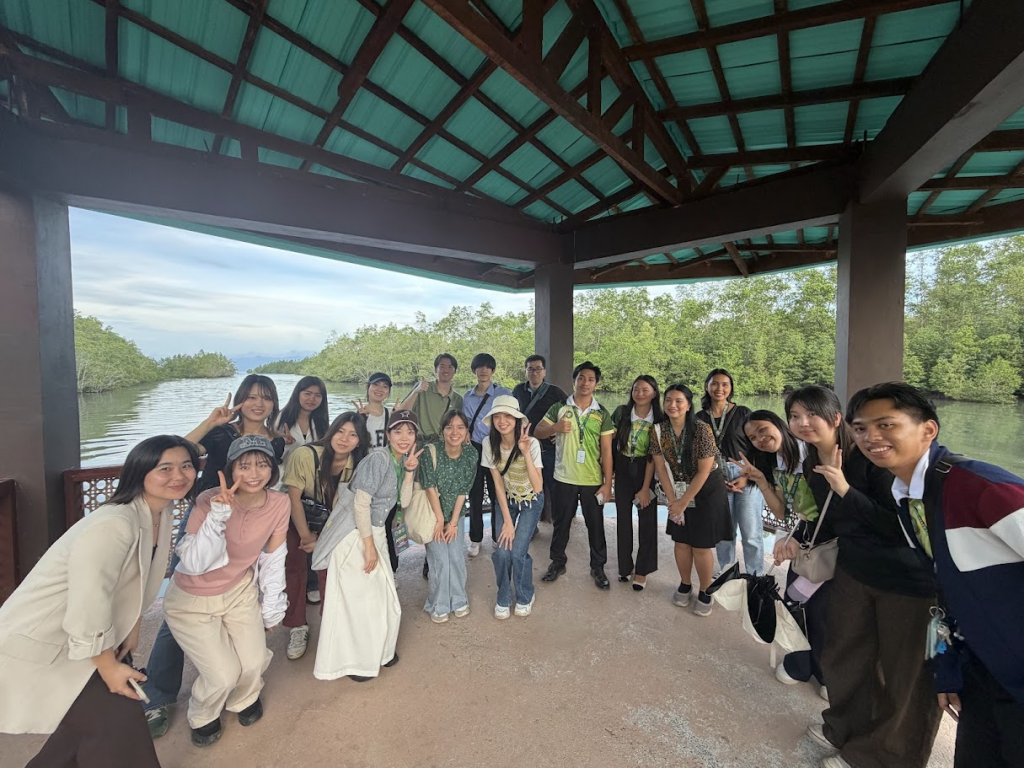
Students had a chance to visit Panabo Mangrove Forest.
学びを支える3つの柱
DUNONGプログラムは、「子どもの学びは生活環境や健康状態と密接に関わる」という考えに基づき、以下の3つの柱で構成されています。
- READ(読み書き支援)
UPLBのボランティア組織が中心となり、ラグナ州の小学校で補習授業を実施。各校で選ばれた約30名の児童に対し、約120日間にわたり週1回の読解指導を行います。 - Nutri-Nurture(栄養支援)
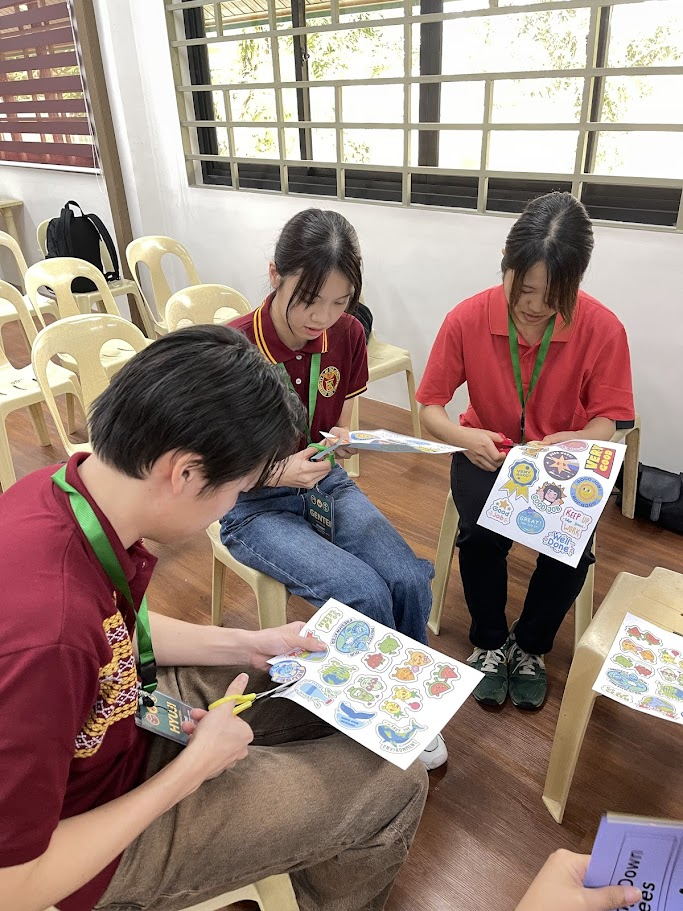
空腹が学習の妨げになることに着目し、参加児童に毎日ゆで卵を提供。栄養状態の改善を通じて学習効果の向上を目指します。 - TEACH-OA(持続可能な教育支援)
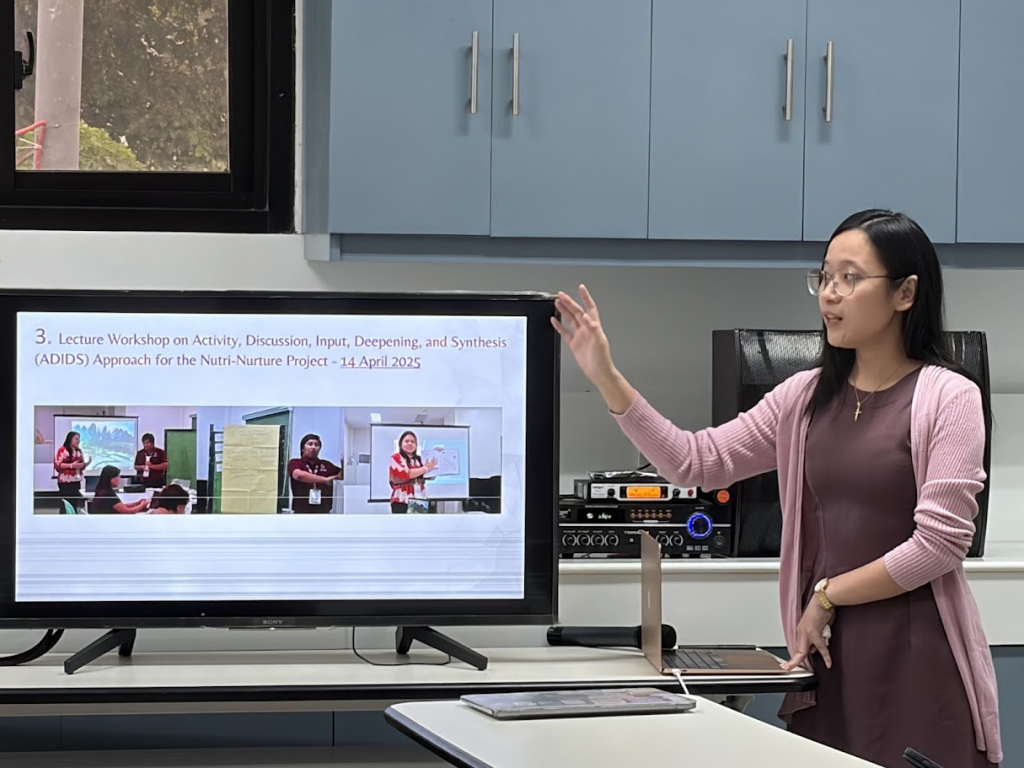
教員を対象に学校菜園の運営方法を指導。オーガニック農法による菜園は、学校の給食プログラムにも活用されます。
現地での実践と学び
活動期間中、筑波大学とUPLBの学生はこれら3つの取り組みに実際に参加しました。ロスバニョス、ベイ、ナグカルラン、サンタクルスの各地域の学校を訪問し、READプログラムの授業を実施。また、Bayog小学校では栄養支援の様子を見学し、さらに農業研究施設を訪れて持続可能な農業の取り組みについて理解を深めました。
加えて、東南アジア地域の農業・食料問題に取り組むSEARCAを訪問し、食料安全保障に関する議論を行いました。さらに、シエラマドレ山脈の森林再生活動について学び、違法伐採で損傷を受けた地域での植林活動にも参加しました。シエラマドレ山脈は、ルソン島を台風から守る重要な役割を担っています。
国際的視点からの学び
本プロジェクトを通じて、学生たちは教育・栄養・環境といった複合的な社会課題に対する理解を深めるとともに、現地の人々と協働しながら課題解決に取り組む重要性を実感しました。今後もこうした国際的な実践の機会を通じて、社会に貢献できる人材の育成が期待されます。