
2025.12.15
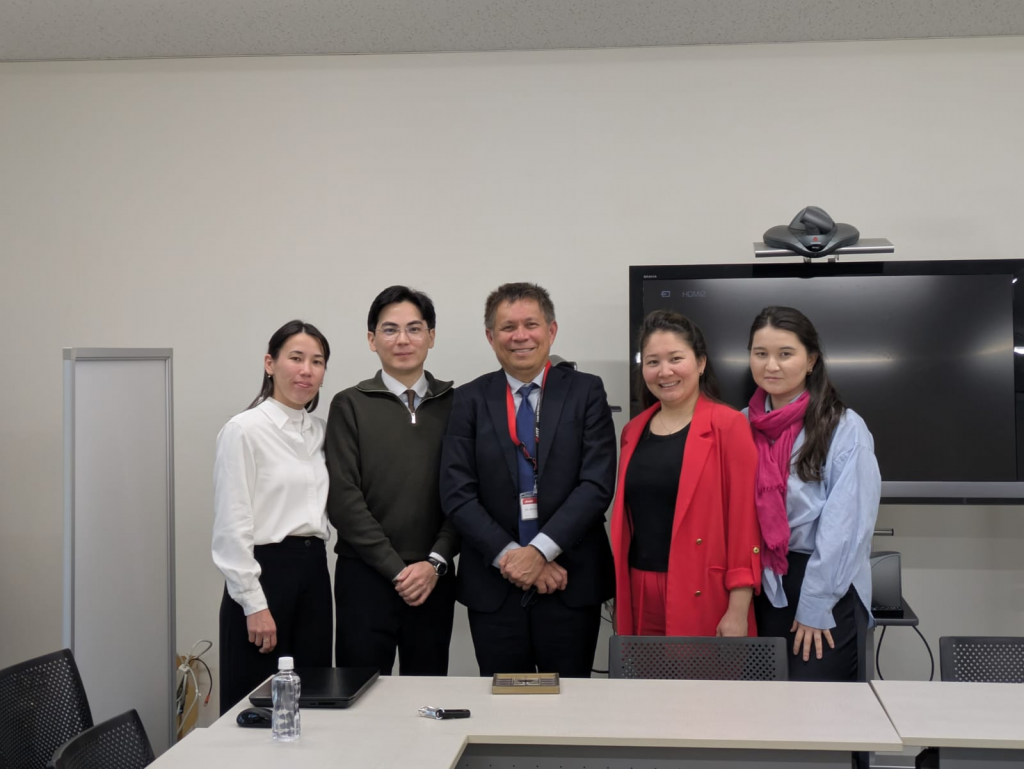
2025年12月4日から10日にかけて、筑波大学はアル・ファラビ・カザフ国立大学(KazNU)より教員とリサーチフェローを迎え、「UT–KazNU インターンシップ2025」を実施しました。本プログラムは、「Campus-in-Campus」連携のもと、次世代研究者の交流とネットワーク形成を目的としています。
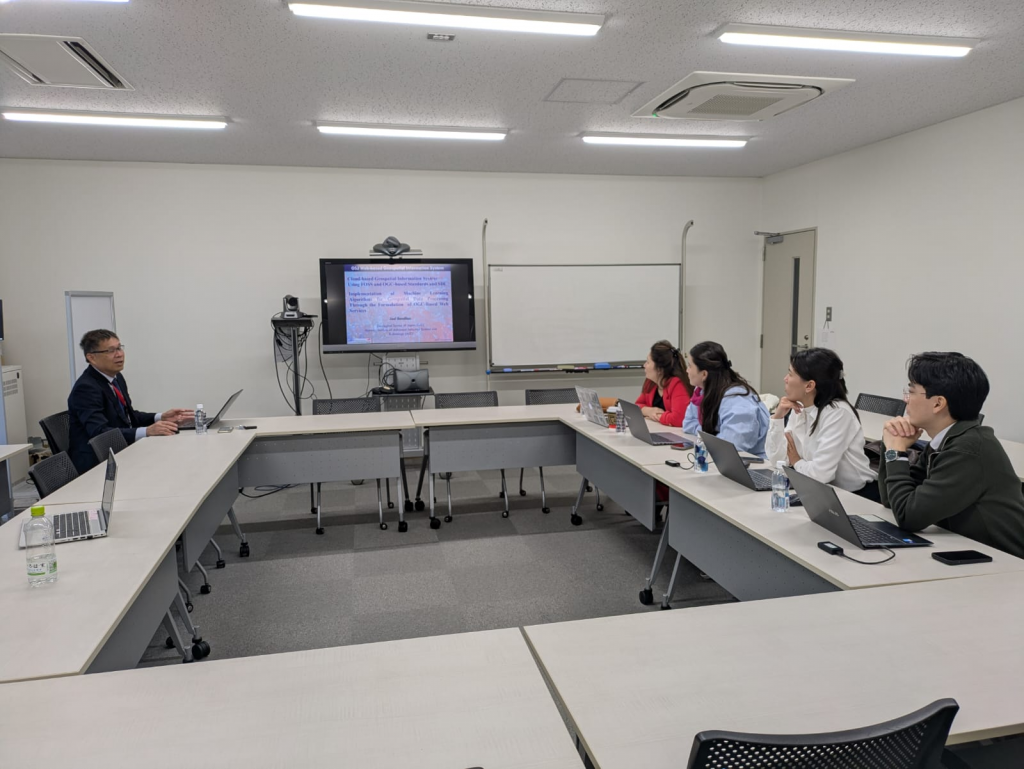
本インターンシップでは、地理情報システム(GIS)を活用したSDGsへの貢献を主要テーマとし、地質学、環境、防災、観光、政策分野における課題解決の可能性について議論しました。参加者は、筑波大学の関連学系・研究組織を訪問したほか、産業技術総合研究所(AIST)、防災科学技術研究所(NIED)、地理空間情報ミュージアム(GSI)などを視察しました。
また、茨城県内各地でのフィールドワークを通じて、地域と連携した「エデュ・ツーリズム」ルートを検討し、今後のDOJO(カザフスタン)およびGASSHUKU(日本)の共同プログラム案を策定しました。最終成果報告では、両大学による共同研究戦略や今後の連携展開が共有され、UTとKazNUは、今後も協働し社会課題の解決に取り組んでいくことを確認しました。
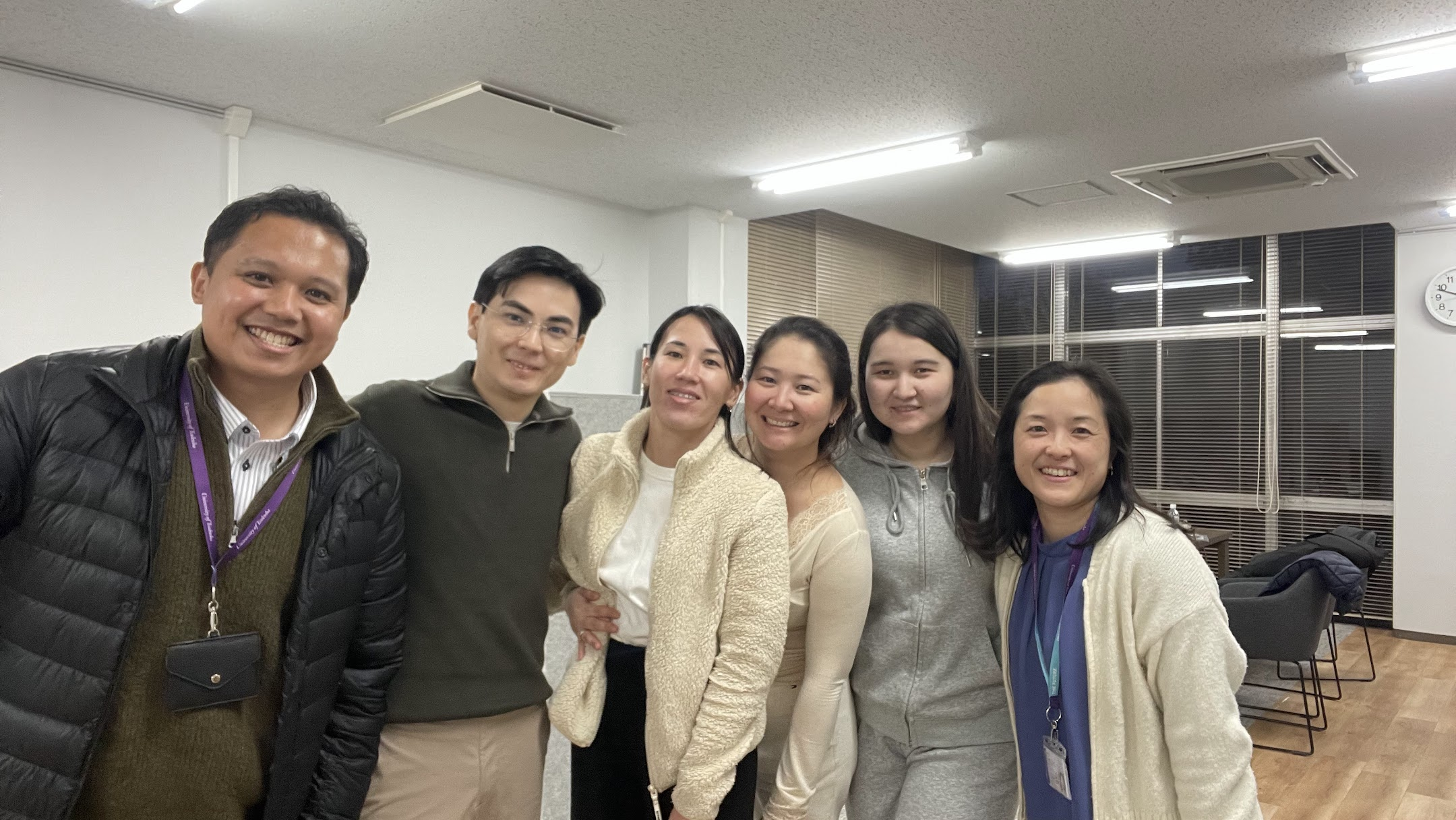
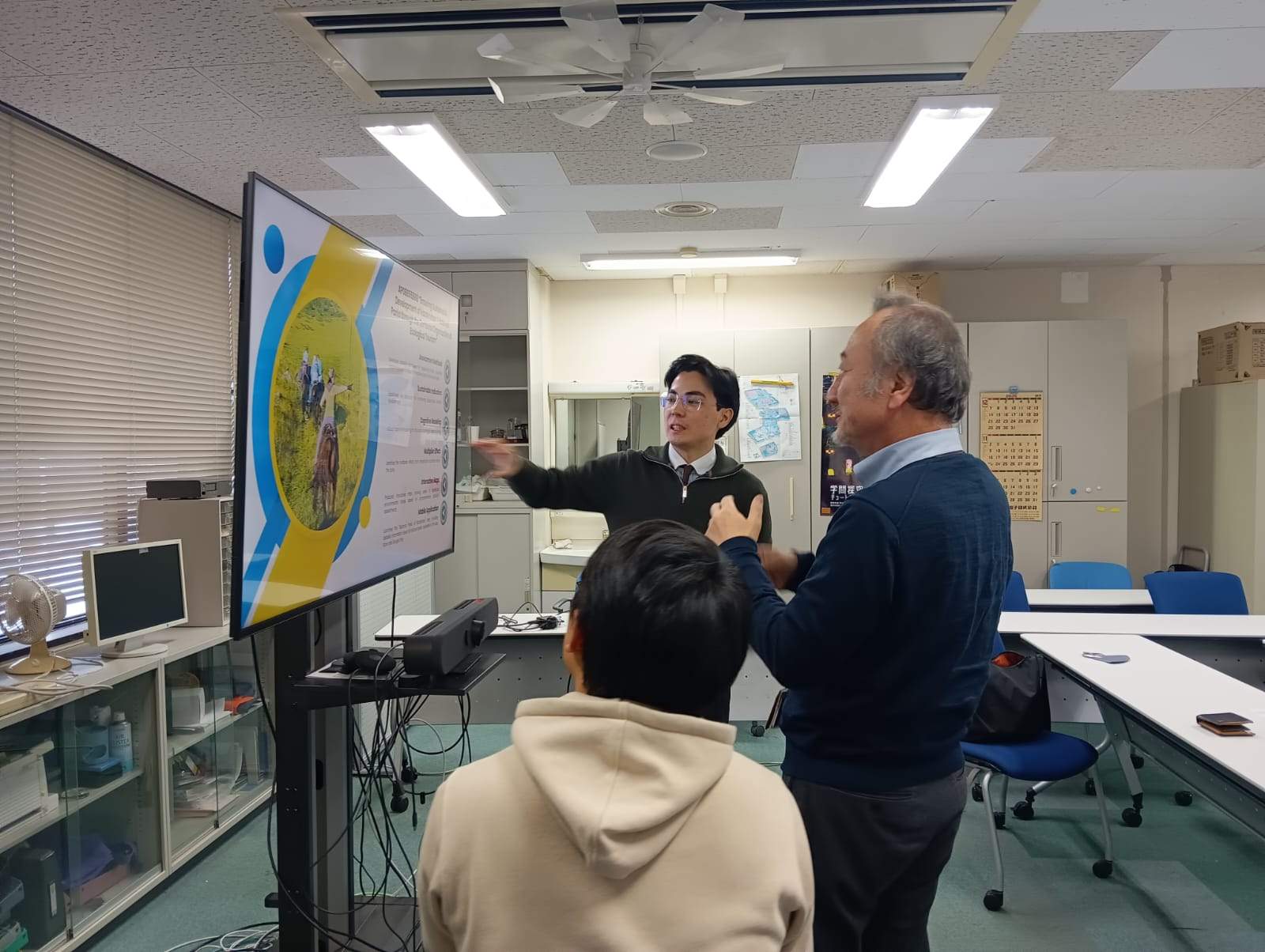
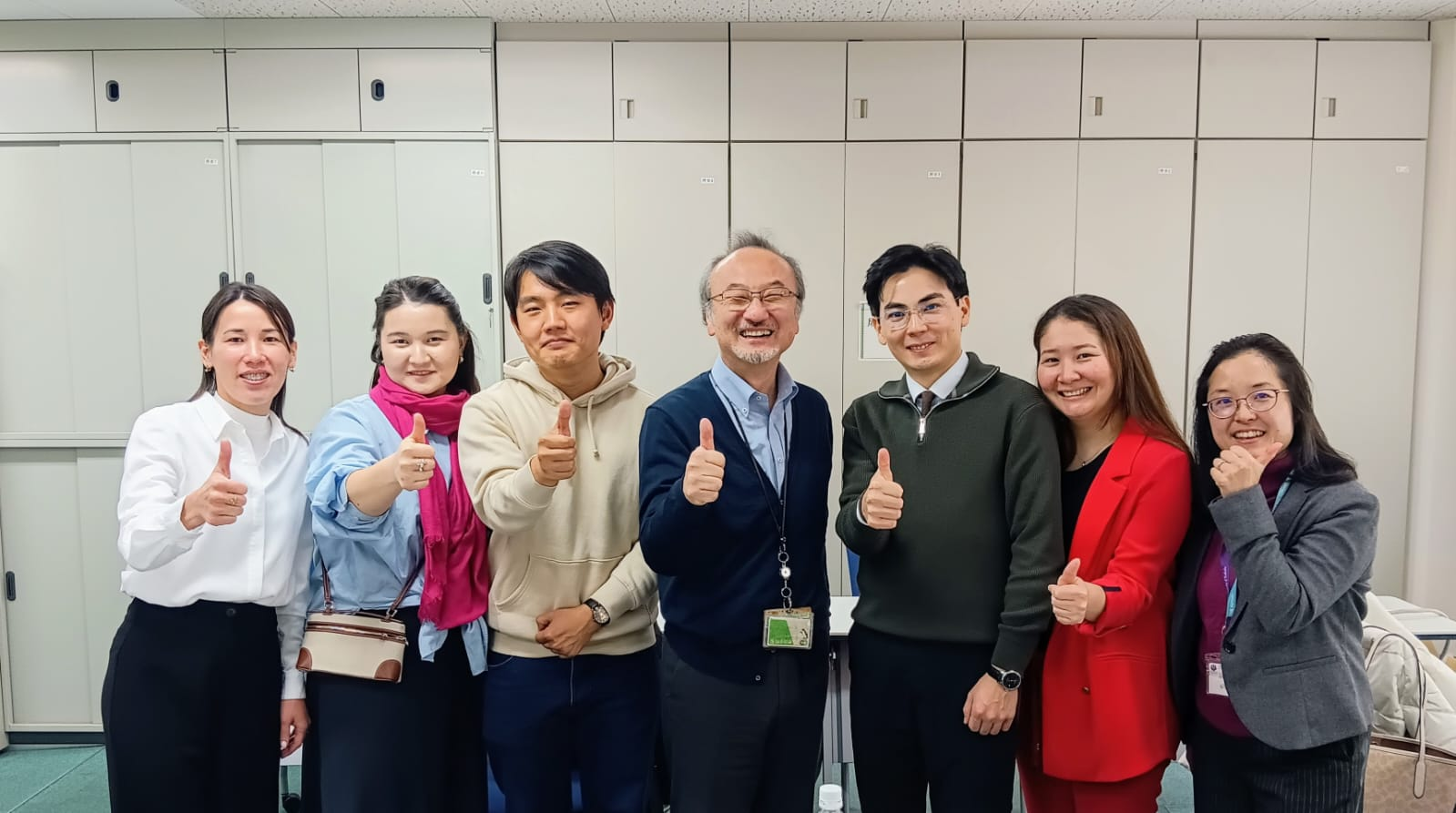
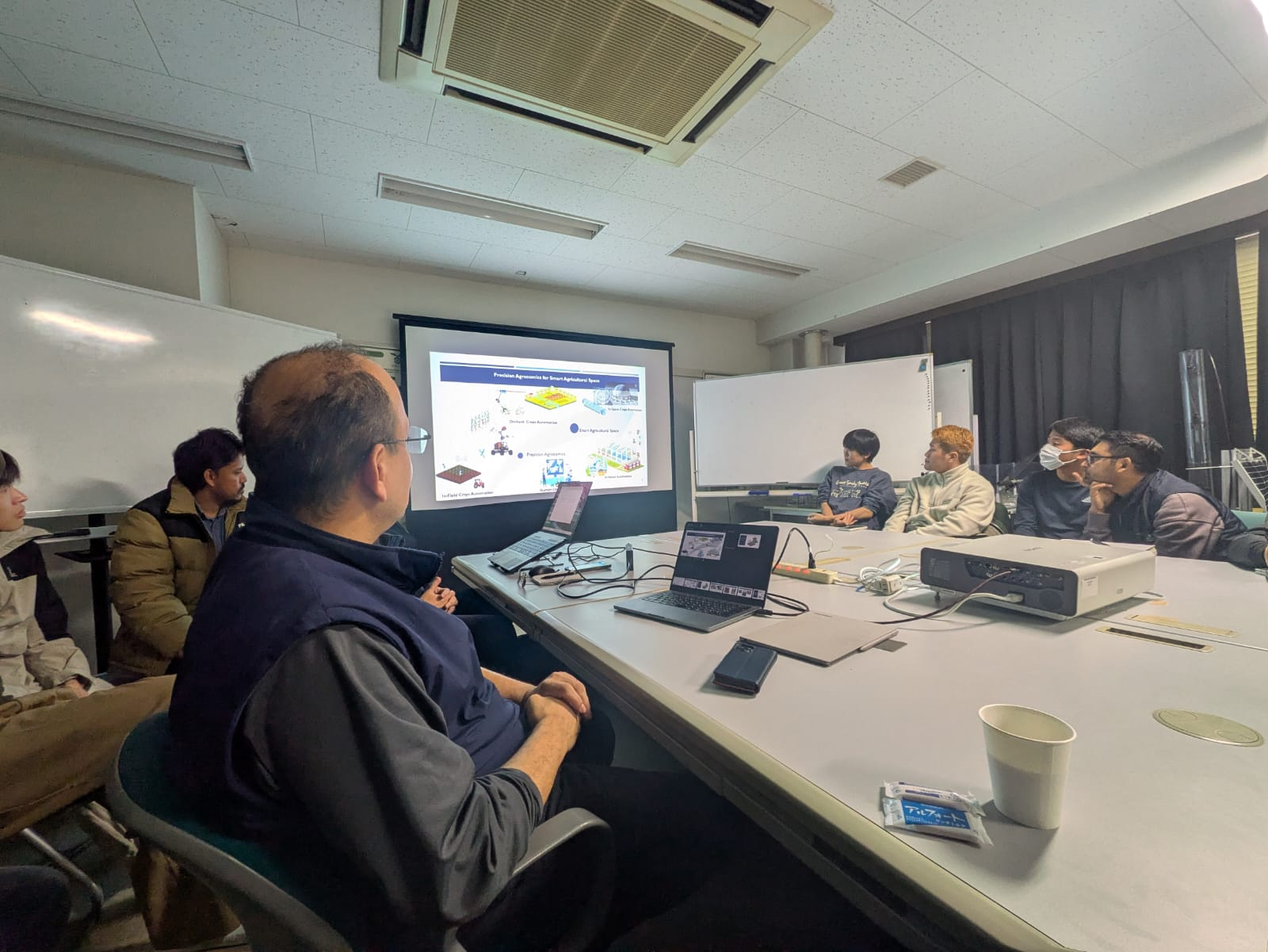
From December 4 to December 10, the University of Tsukuba (UT) hosted a delegation of faculty members and research fellows from Al-Farabi Kazakh National University (KazNU) for the UT-KazNU Internship 2025. Designed to strengthen the “Campus-in-Campus” partnership, the program focused on fostering deep exchange and networking among the next generation of researchers.
Harnessing GIS for the SDGs The core academic theme of the internship was the application of Geographic Information Systems (GIS) to address the Sustainable Development Goals (SDGs). Through a series of high-level discussions, the delegates explored how GIS technology can resolve critical issues in geology, engineering, environmental science, tourism, disaster management, and policy.
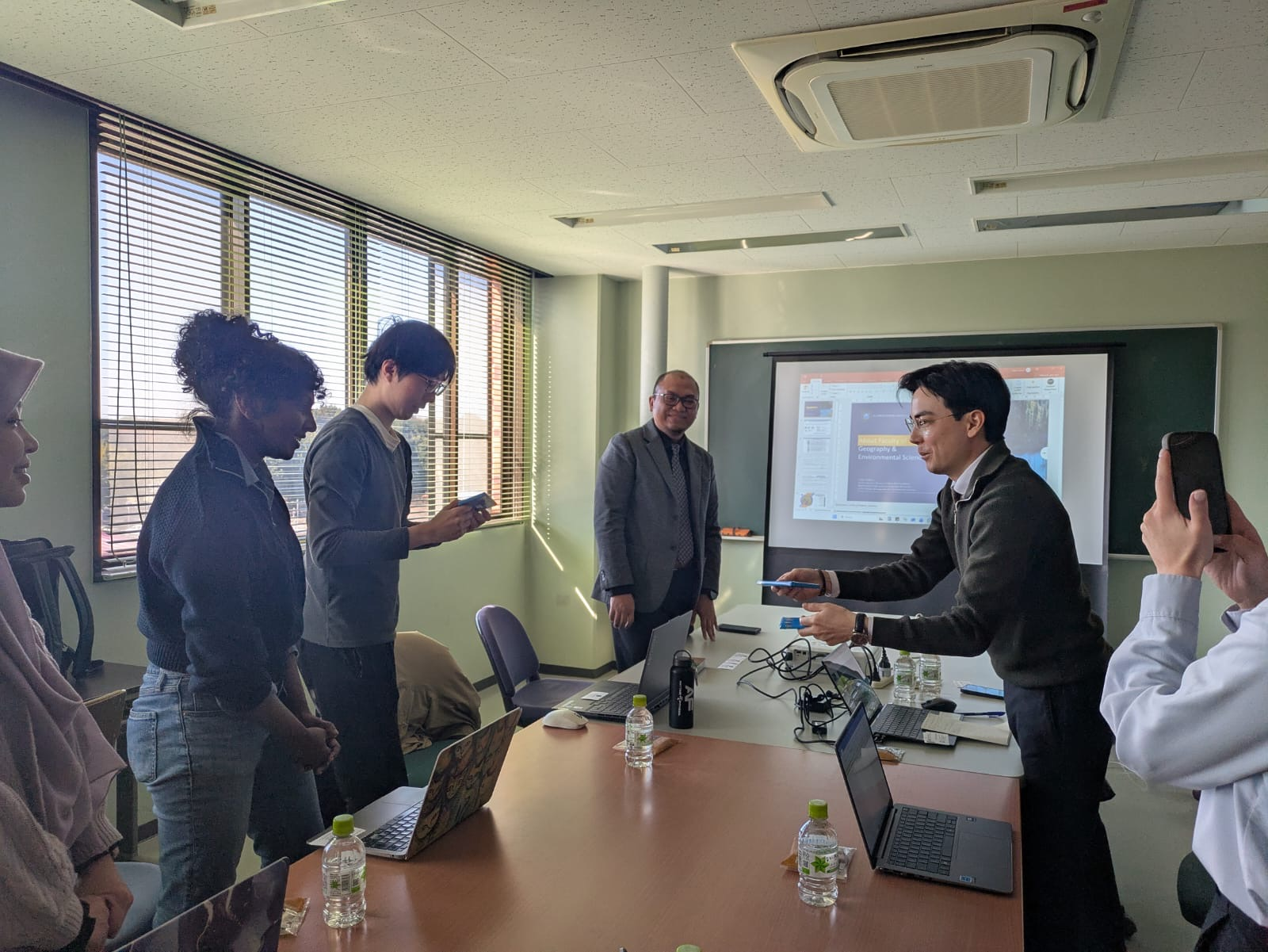
To deepen this understanding, the itinerary included strategic visits to UT’s Institute of Systems and Information Engineering, Institute of Humanities and Social Sciences, and Institute of Life and Environmental Sciences. The delegates also connected with fellows from the Nippon Foundation Central Asia-Japan Human Resource Development Project (NipCA).
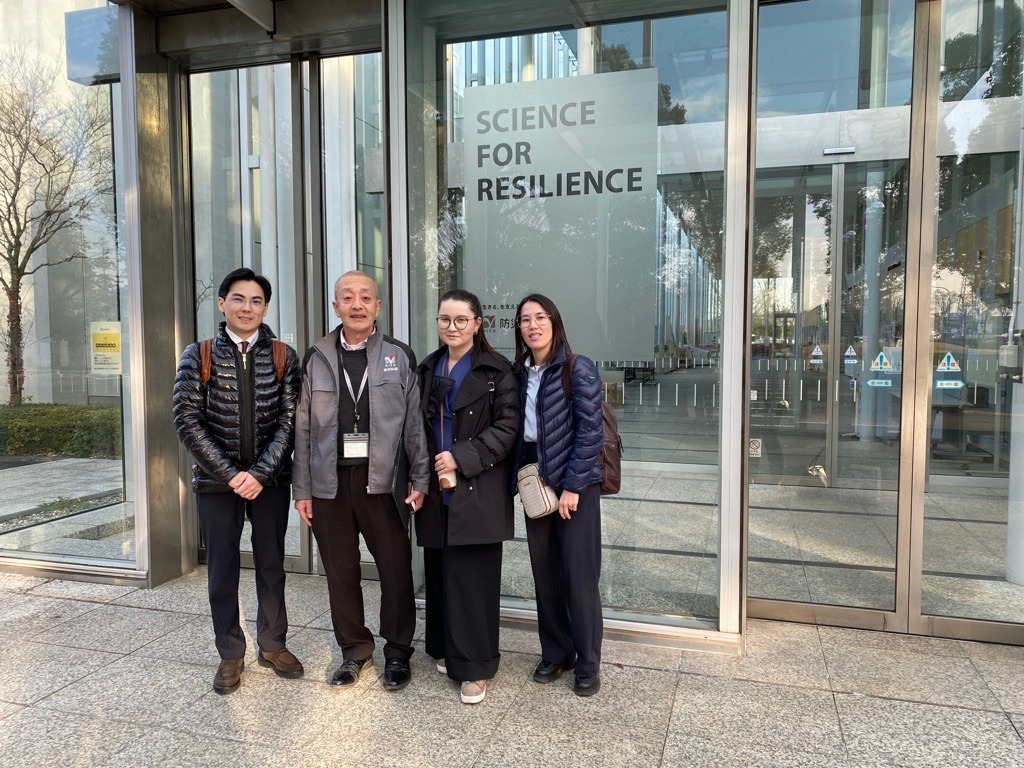
Beyond the campus, the group engaged with Japan’s leading research institutions. They met with researchers from AIST to discuss GIS in disaster response and toured key facilities in Tsukuba City, including the National Research Institute for Earth Science and Disaster Prevention (NIED) and the Geospatial Information (GSI) Museum.
From Fieldwork to Strategy: Designing DOJO and GASSHUKU A primary goal of the internship was to design future collaborative programs. The delegation conducted extensive fieldwork to develop an “Edu-tourism” route that supports local communities. Investigations took place in the historic Hojo Village, communities surrounding Mount Tsukuba, and potential tourism routes across Ibaraki Prefecture, including Oarai and Ushiku.
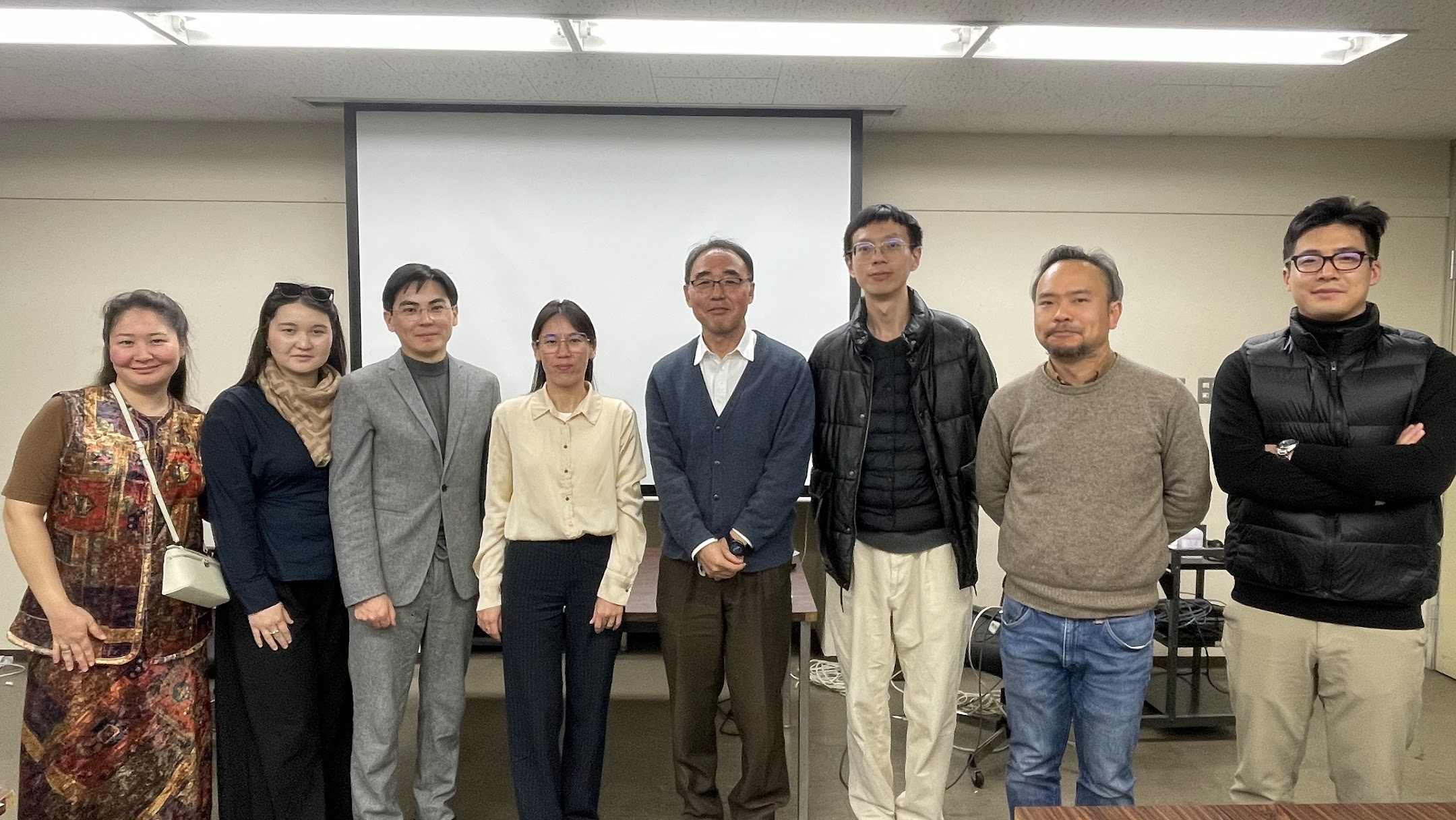
The program culminated in a final presentation attended by UT’s Social Impact Promotion Office and Bureau of Global Initiatives, alongside KazNU’s Department of International Cooperation and Faculty of Geography & Environmental Sciences.
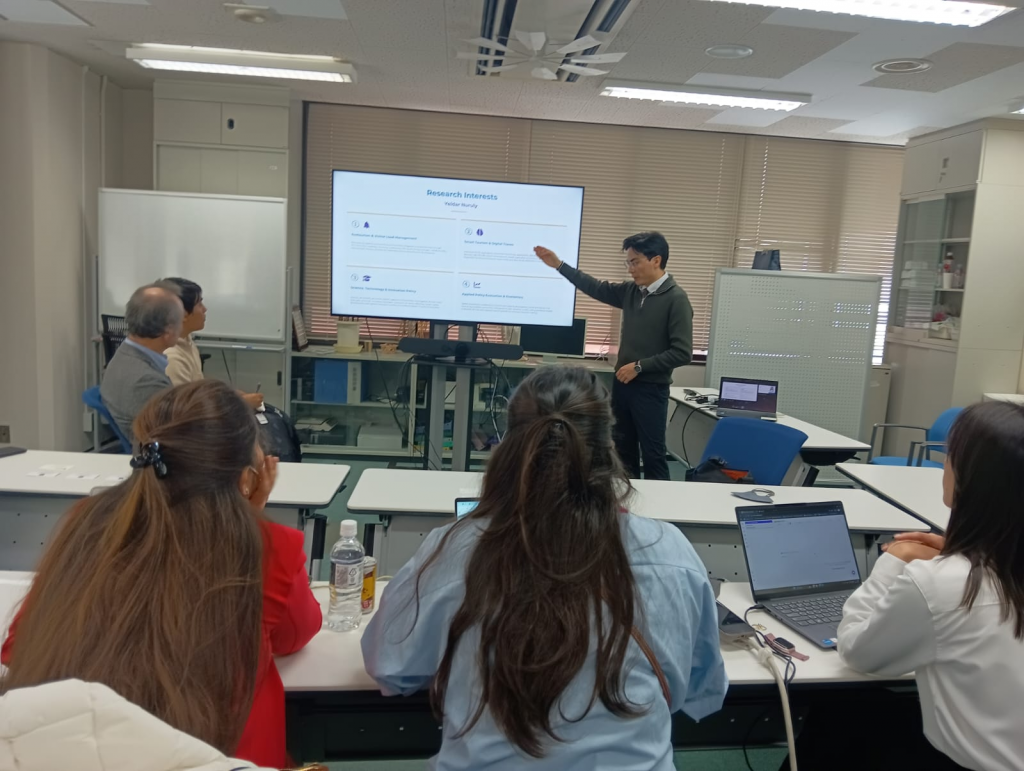
The delegates presented a comprehensive strategy featuring two distinct key activities:
- DOJO Activity in Kazakhstan: A tentative program titled “Addressing Environmental Impacts of Over Tourism in National Parks in Kazakhstan.” This Social Impact Project is targeted for implementation during the summer break of 2026 (August).
- GASSHUKU Activity in Japan: Utilizing their recent fieldwork, the delegates proposed an Edu-tourism route plan to serve as the foundation for future GASSHUKU activities in Japan for KazNU intern students.
In addition to these program designs, the team presented a Joint Research Strategy Plan to link various faculties of UT and KazNU, including potential joint grant applications. The internship concluded with a shared commitment to continue these vital exchanges, ensuring that faculty and researchers from both institutions can collaborate on solving global challenges for years to come.