2026.3.6
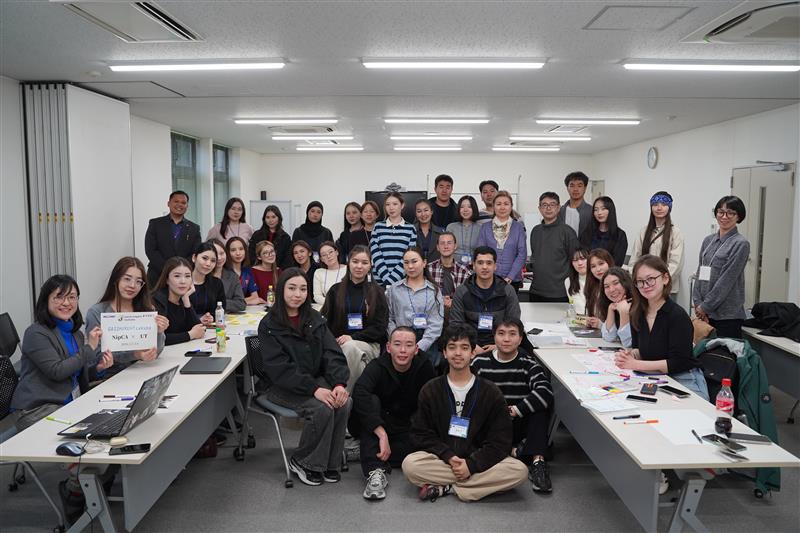
2026年3月2日から5日にかけて、つくば市、NipCA、筑波大学の協働により、カザフスタンおよびキルギスタンからの学生を迎え、筑波大学の学生と共に多文化共修プログラムを実施しました。本プログラムでは、「つくば市の魅力の再発掘」をテーマに、中央アジアの学生と筑波大学の学生が共に学び、議論しながら、科学都市としての側面と地域の歴史文化の側面の双方からつくばの魅力を探りました。
3月2日(月)
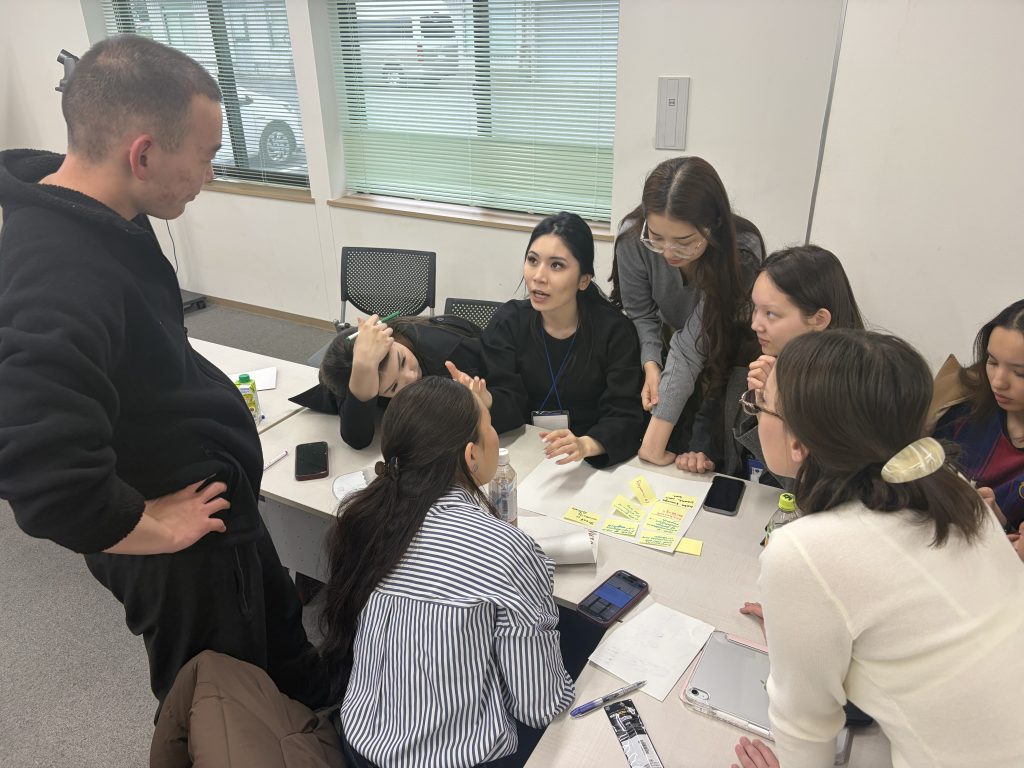
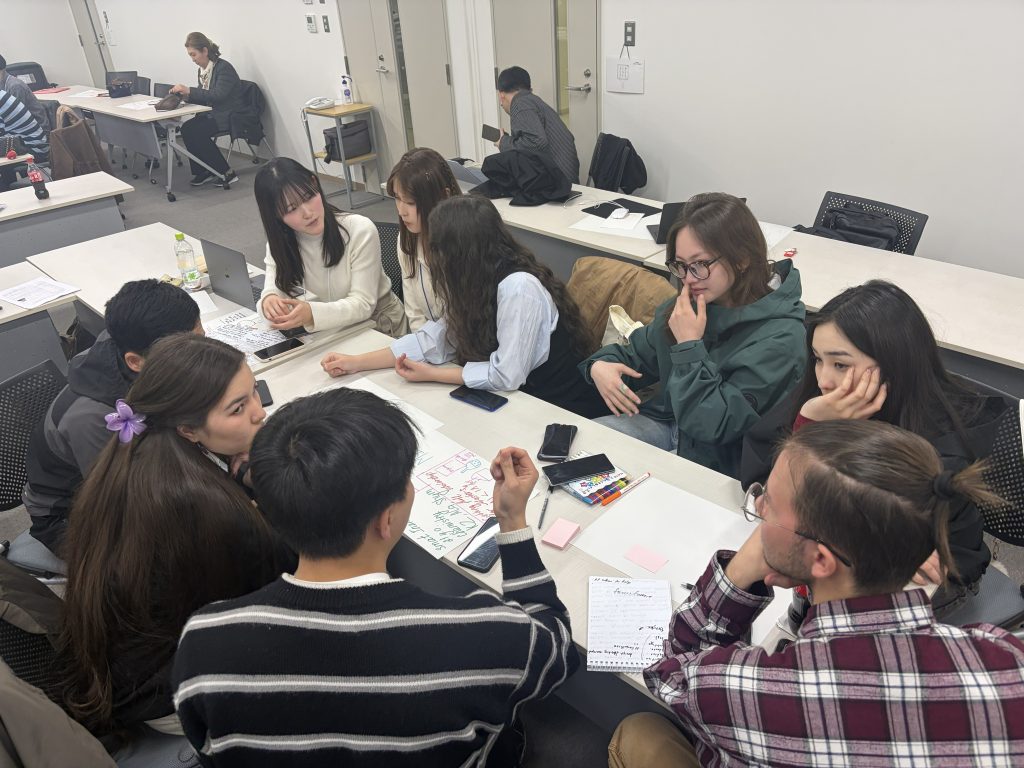
初日は事前学習と講義を行い、つくば市の特徴や地域課題について理解を深めました。参加学生はこれからのフィールドワークに向けて、活発に意見交換を行いました。
3月3日(火)
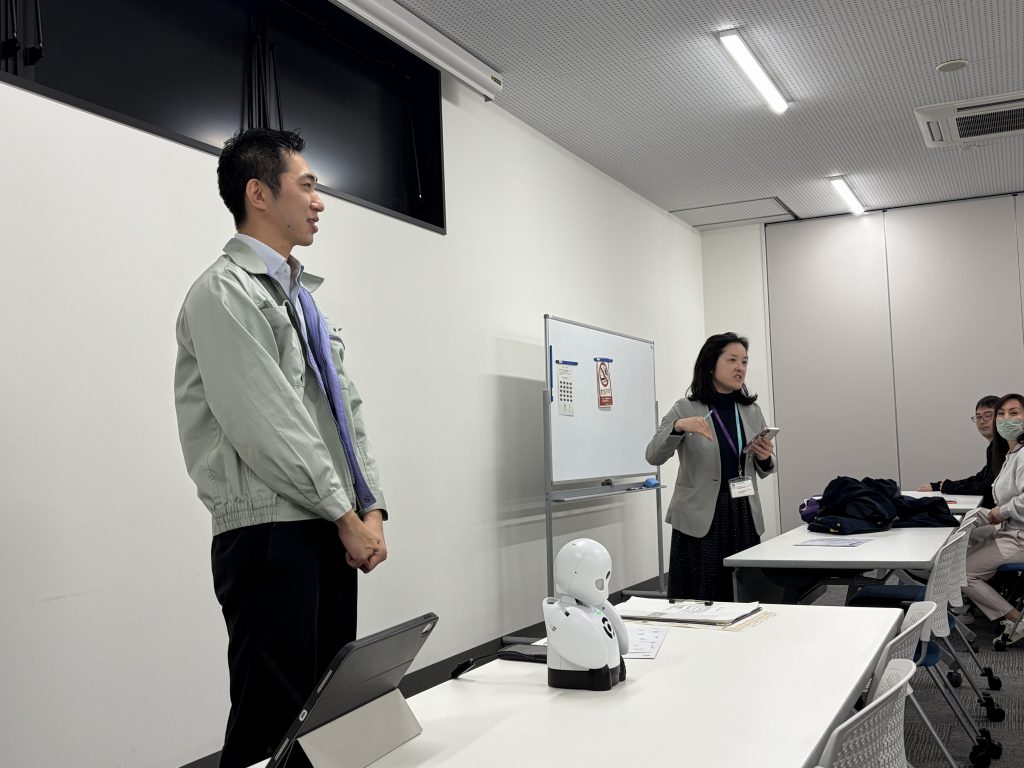
つくば市役所を訪問し、総務課のご担当者から、つくば市の取り組みや市の魅力、外国人が多く暮らす都市としての特徴などについてご説明をいただきました。学生たちは多くの質問を投げかけ、つくば市のまちづくりについて理解を深めました。
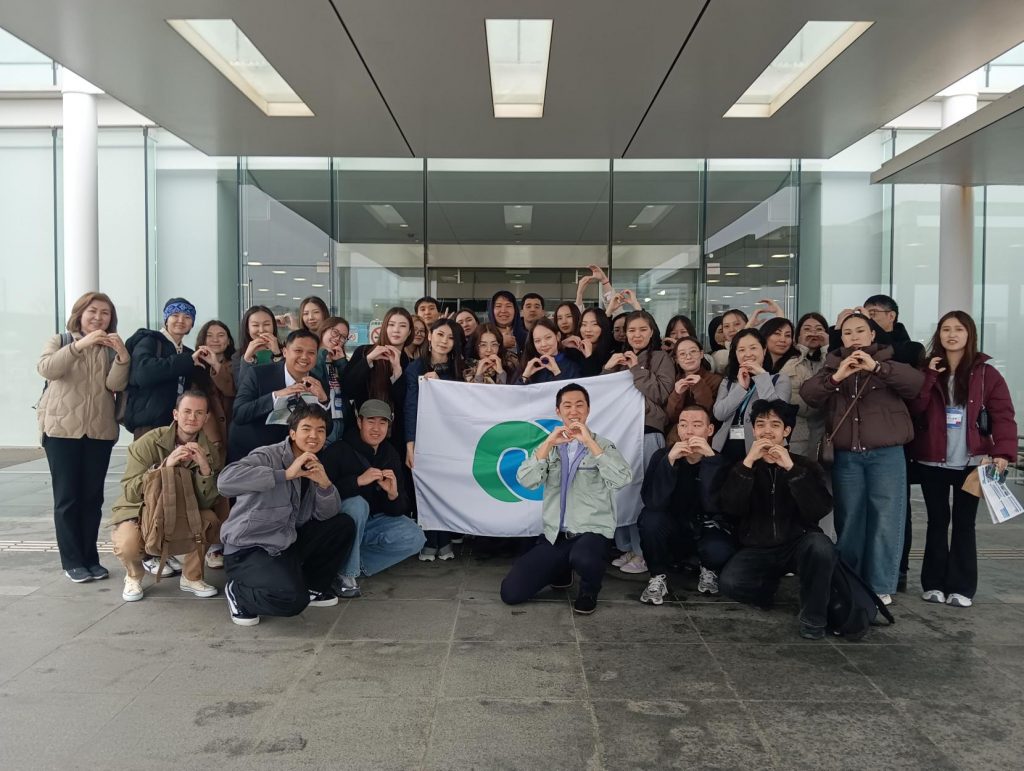
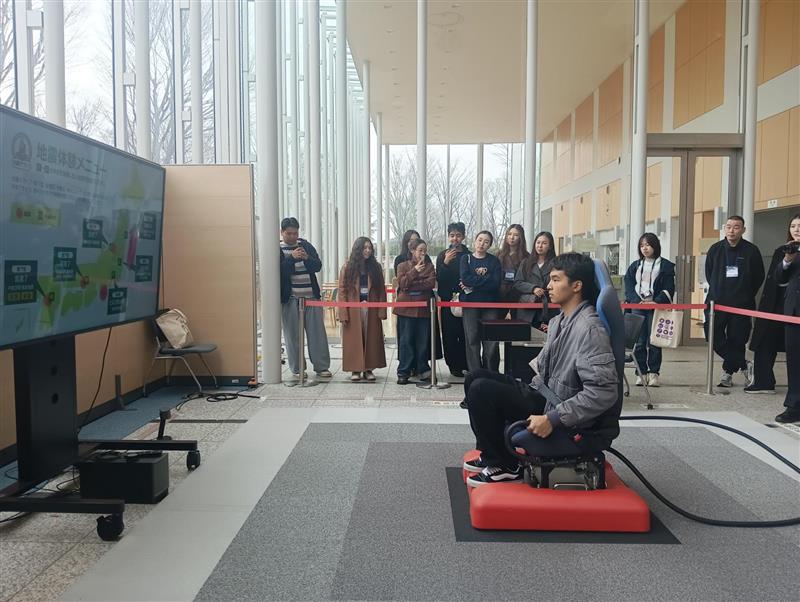
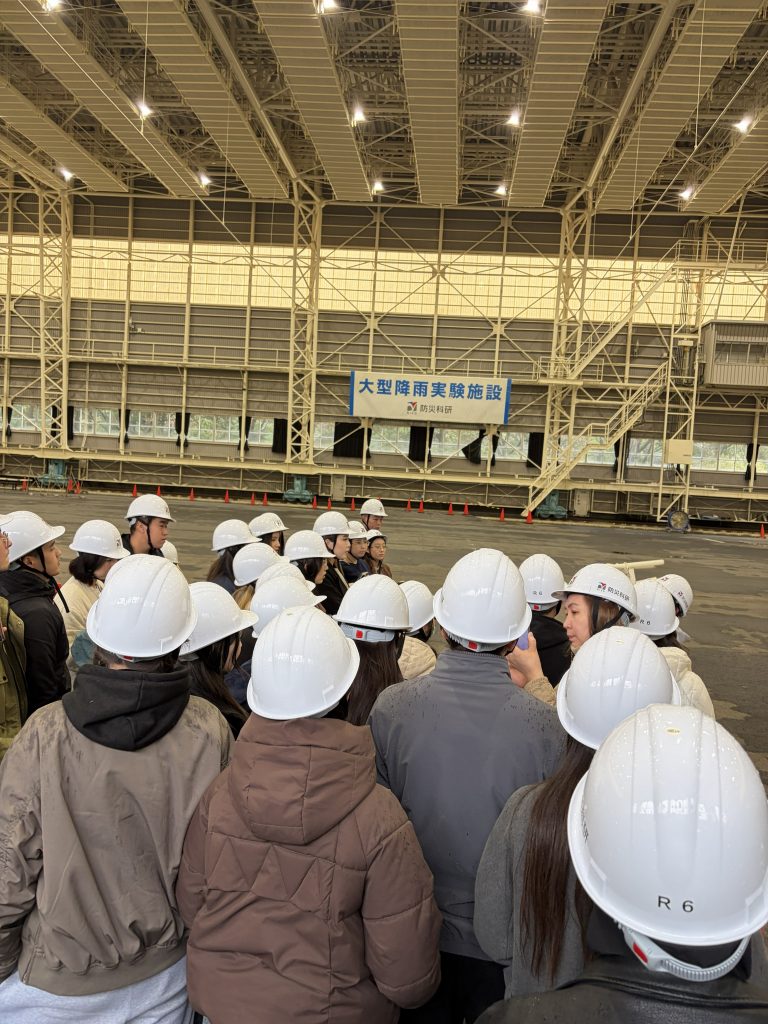
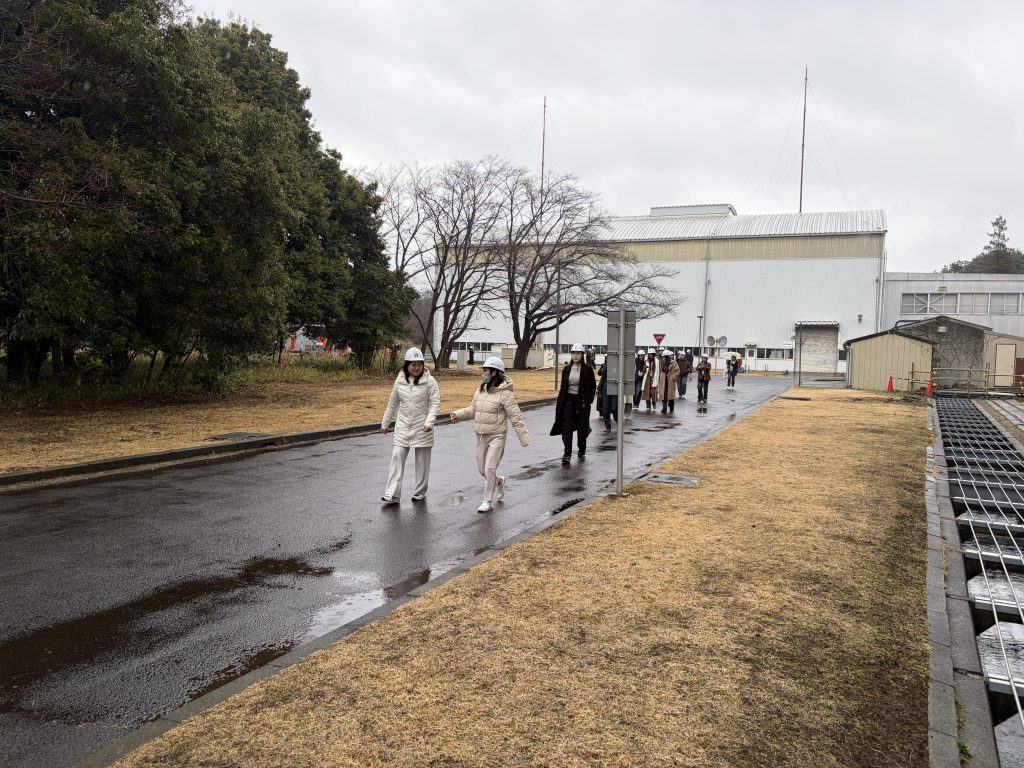
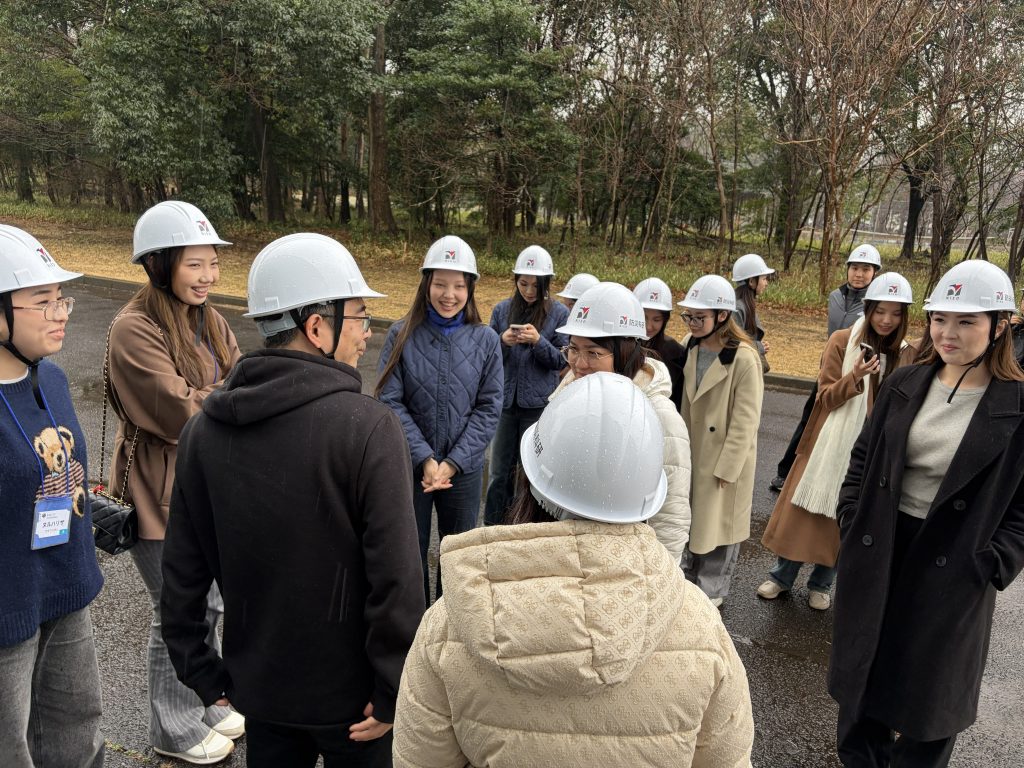
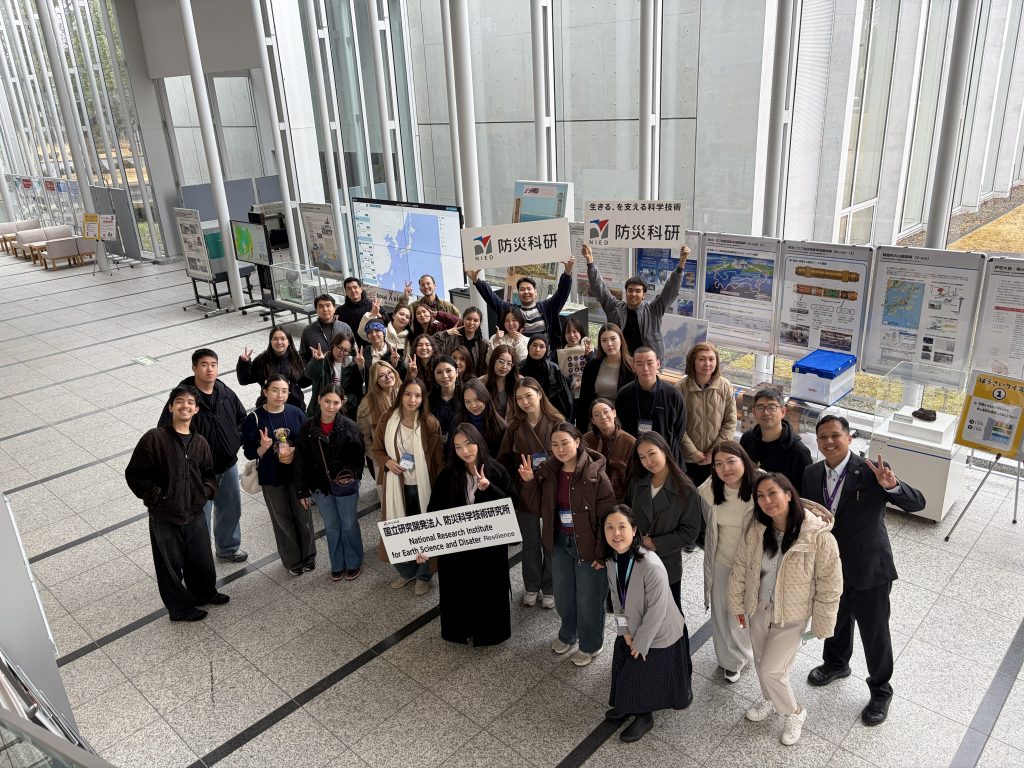
午後には防災研究施設を訪れ、最先端の防災技術の展示や体験を通して、科学都市つくばの強みを体感しました。
3月4日(水)
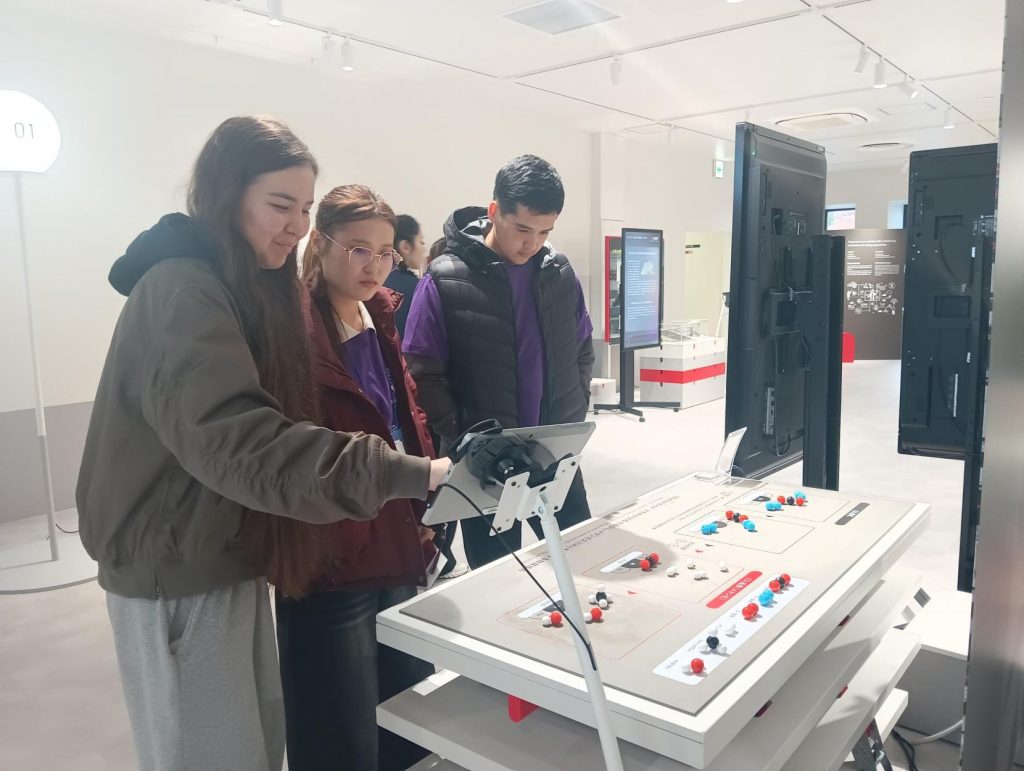
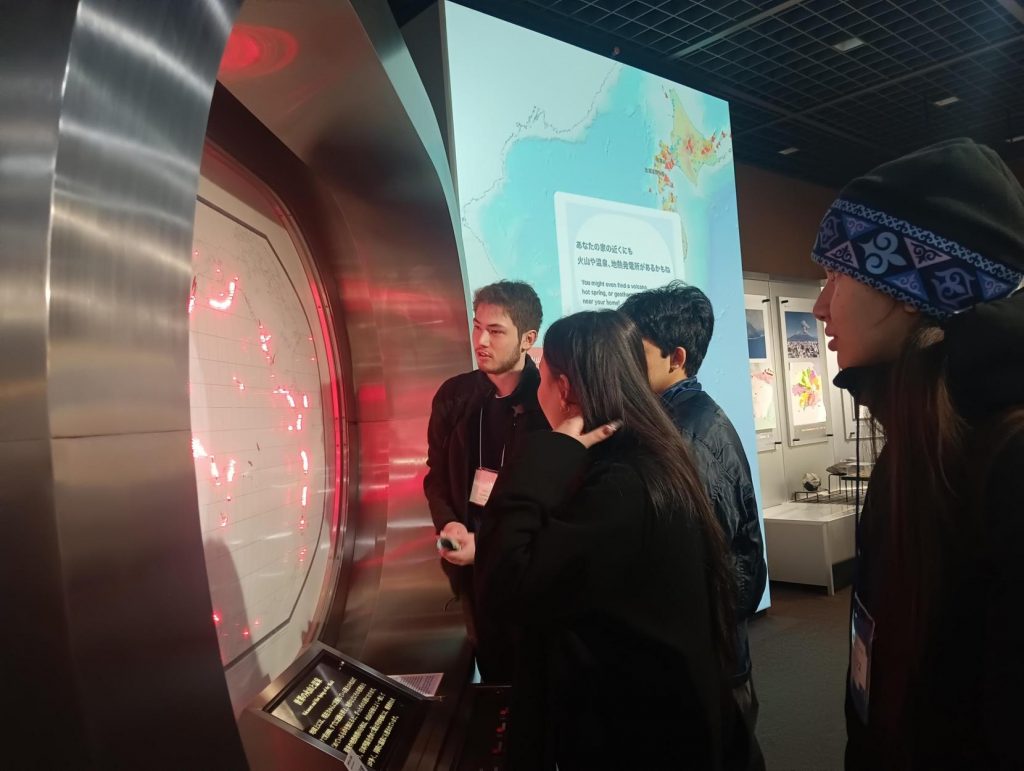
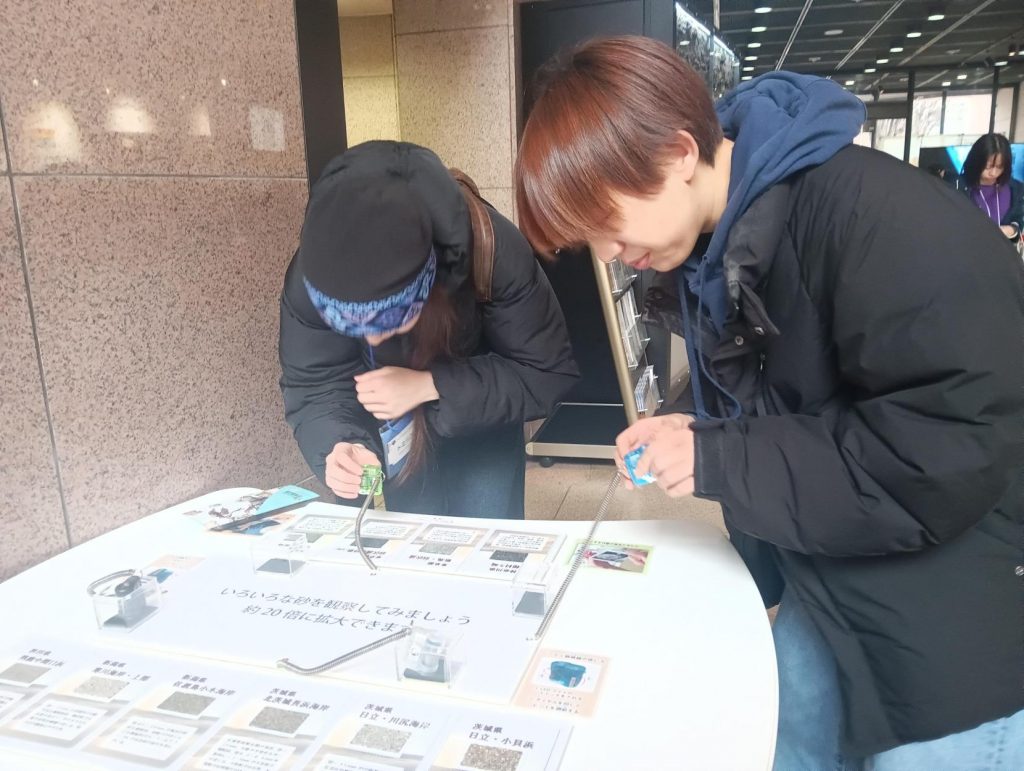
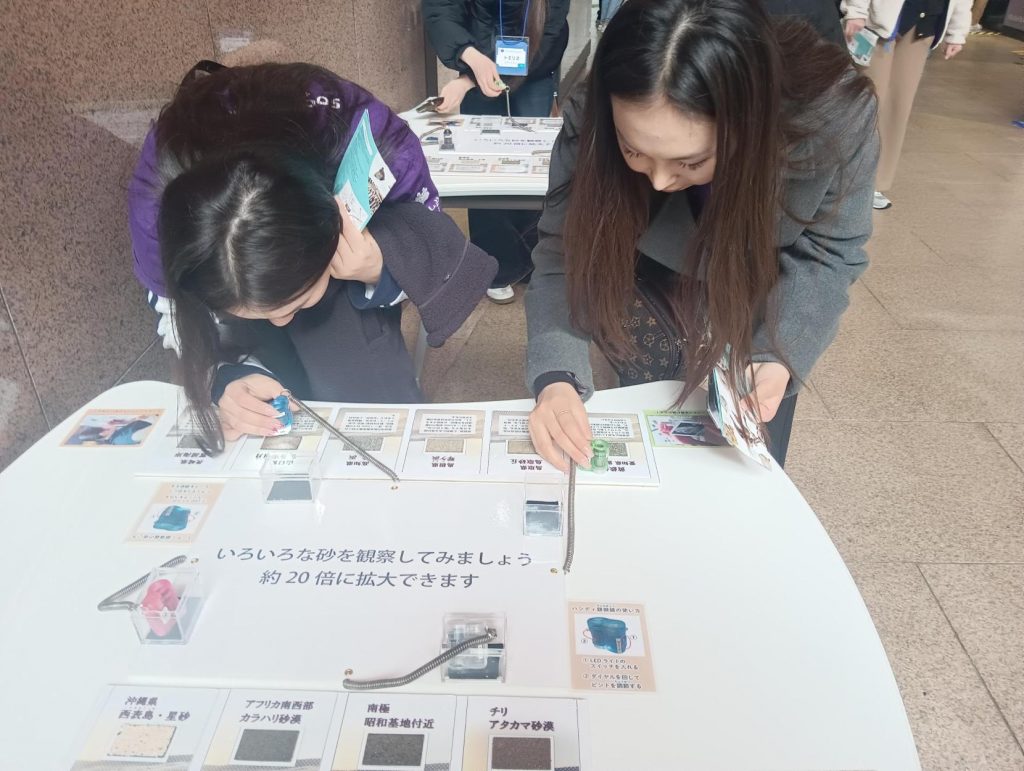
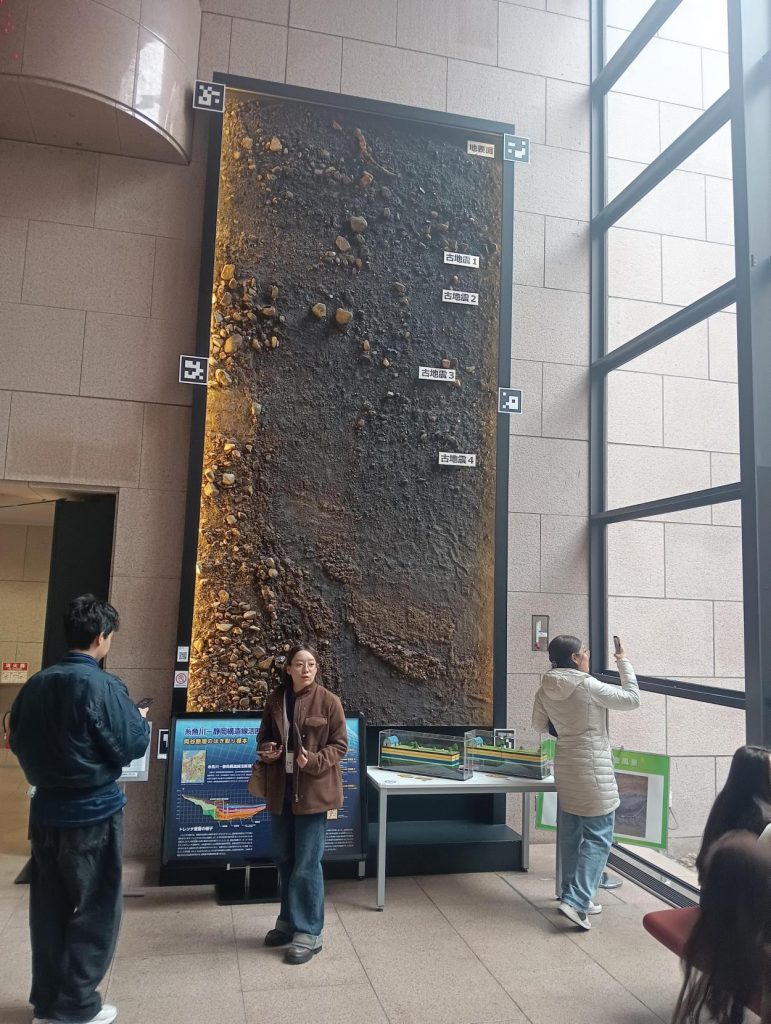
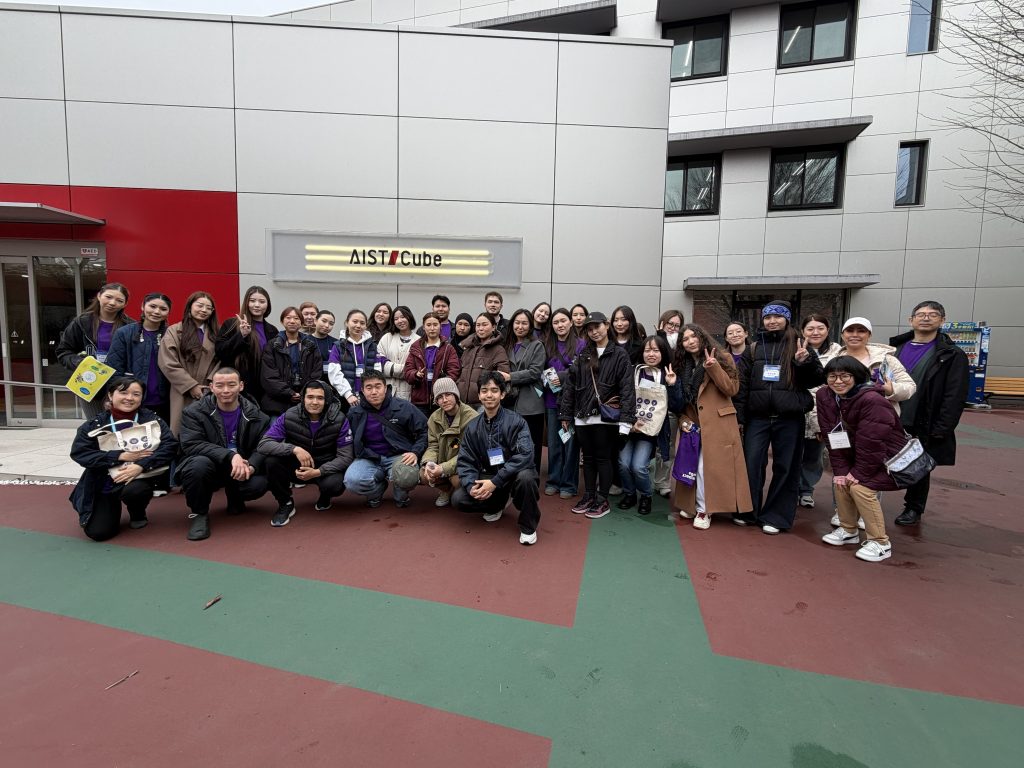
この日は、つくばの「科学研究都市」としての側面をさらに探るため、産業技術総合研究所(AIST)を訪問し、地質標本館およびAIST-Cubeを見学しました。学生たちは、地球科学の貴重な標本や最新の研究成果に触れ、世界的な研究拠点としてのつくばの魅力を実感しました。
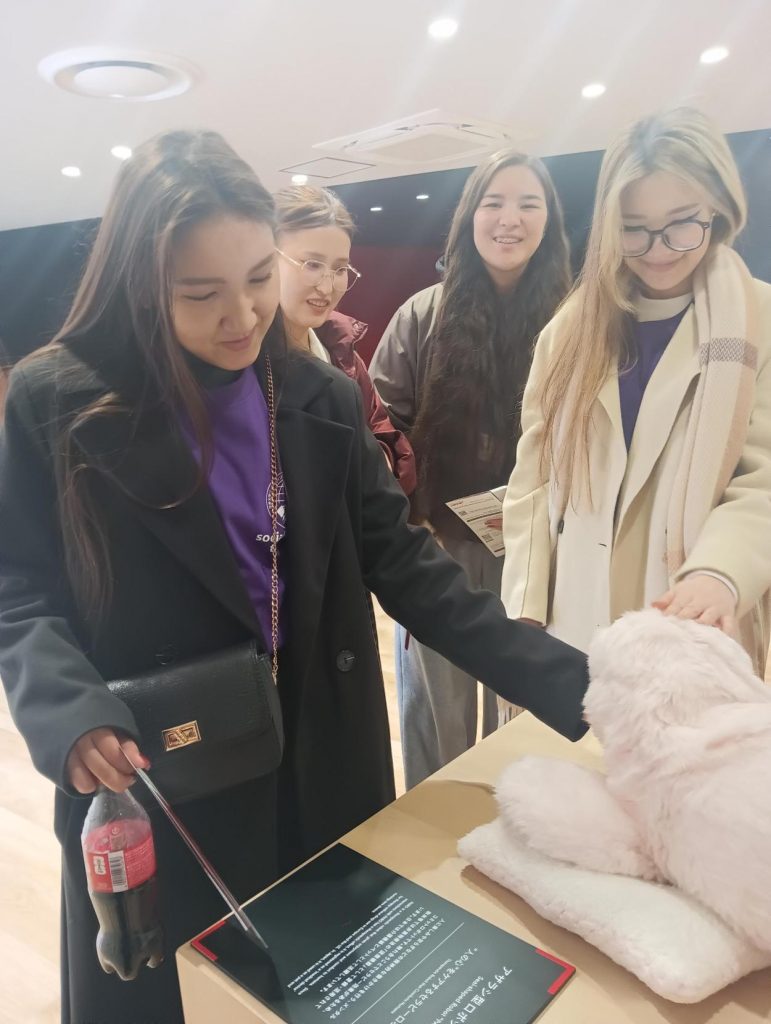
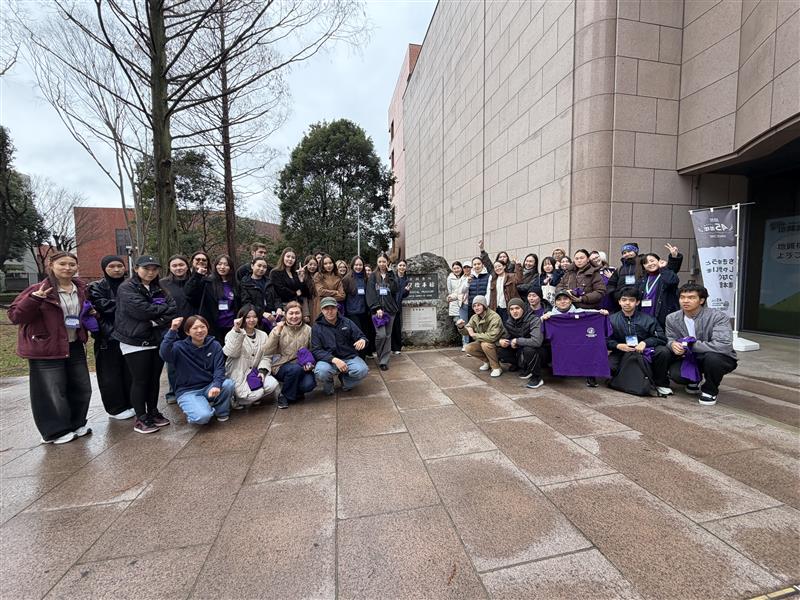
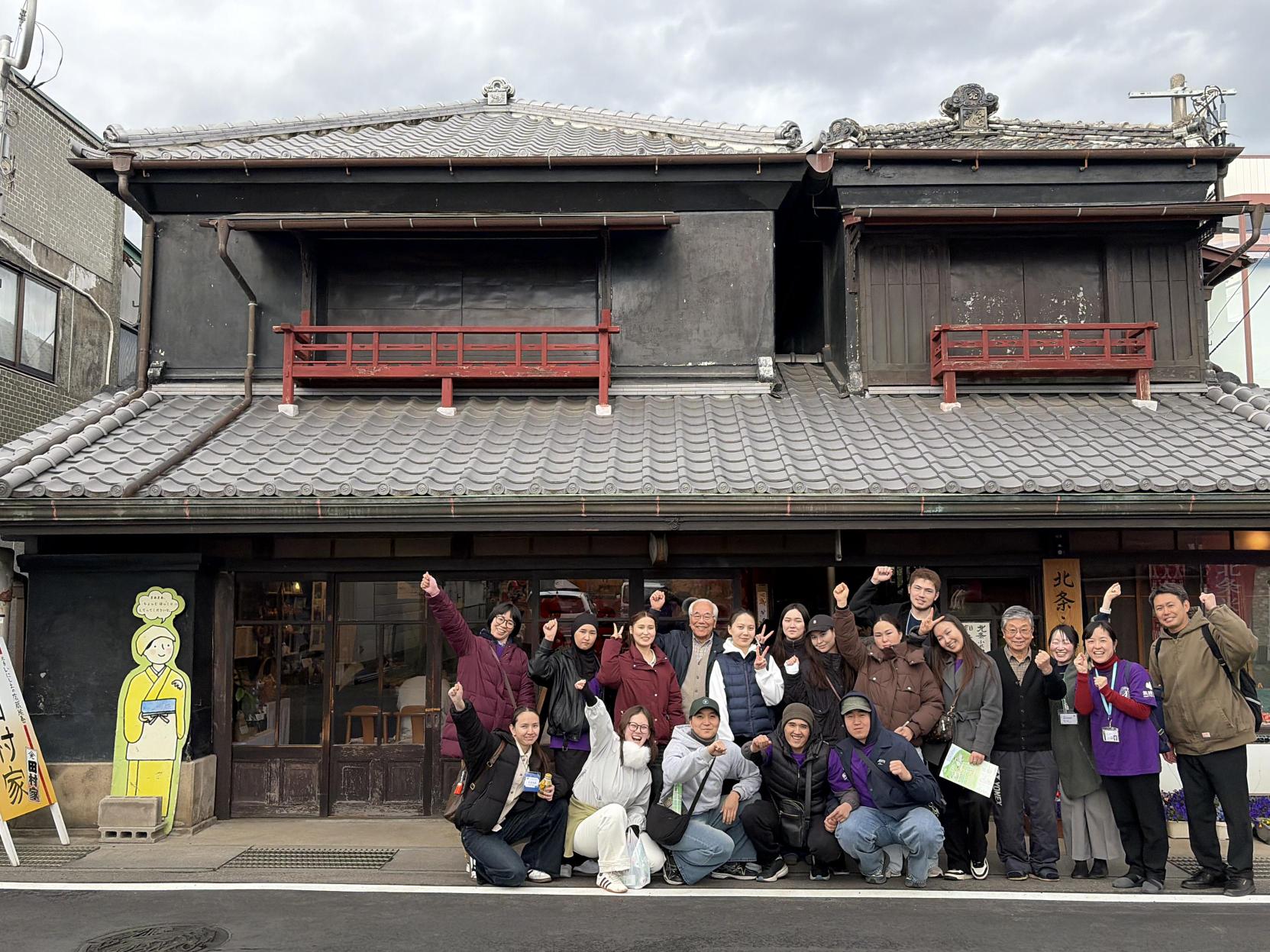
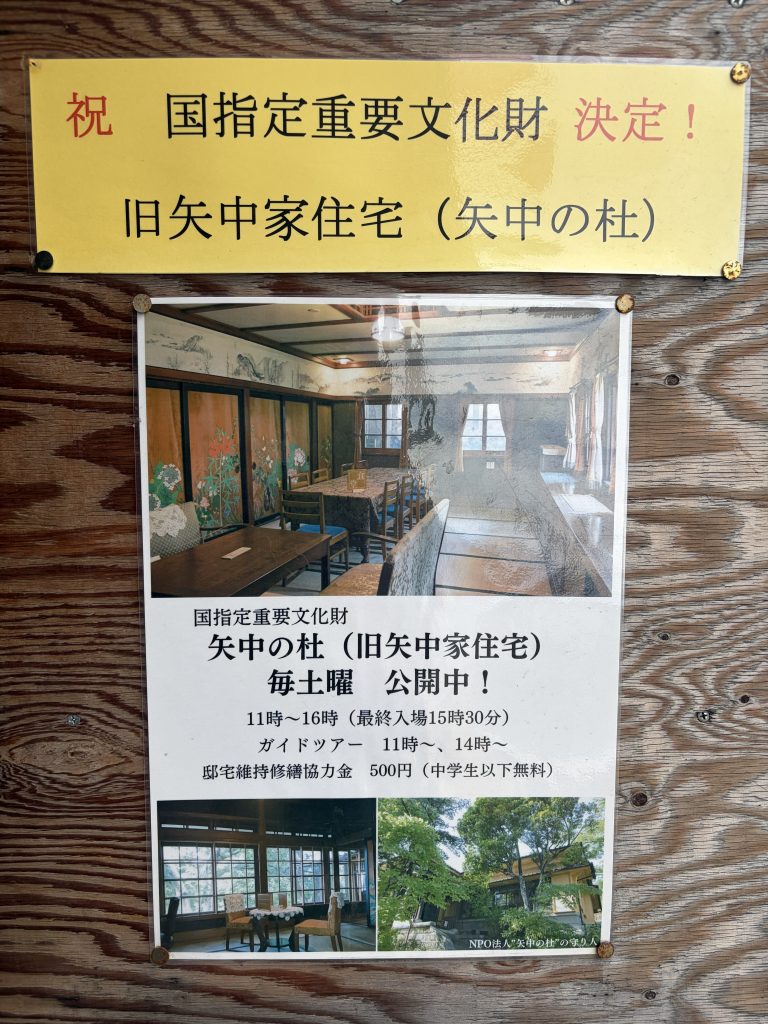
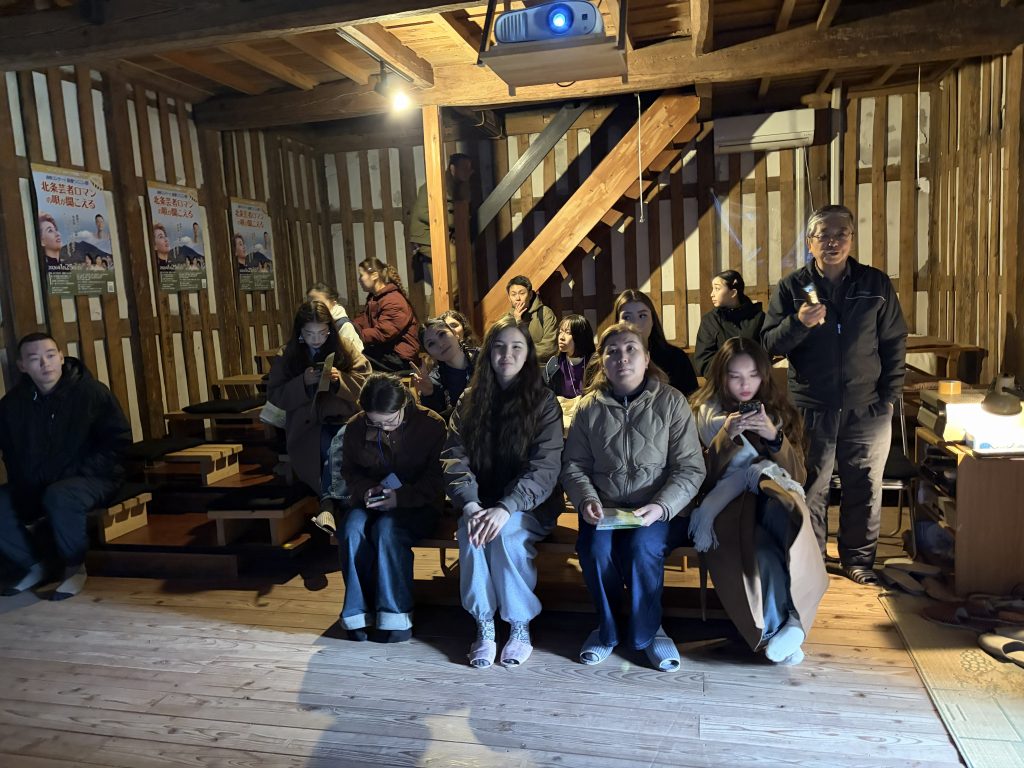
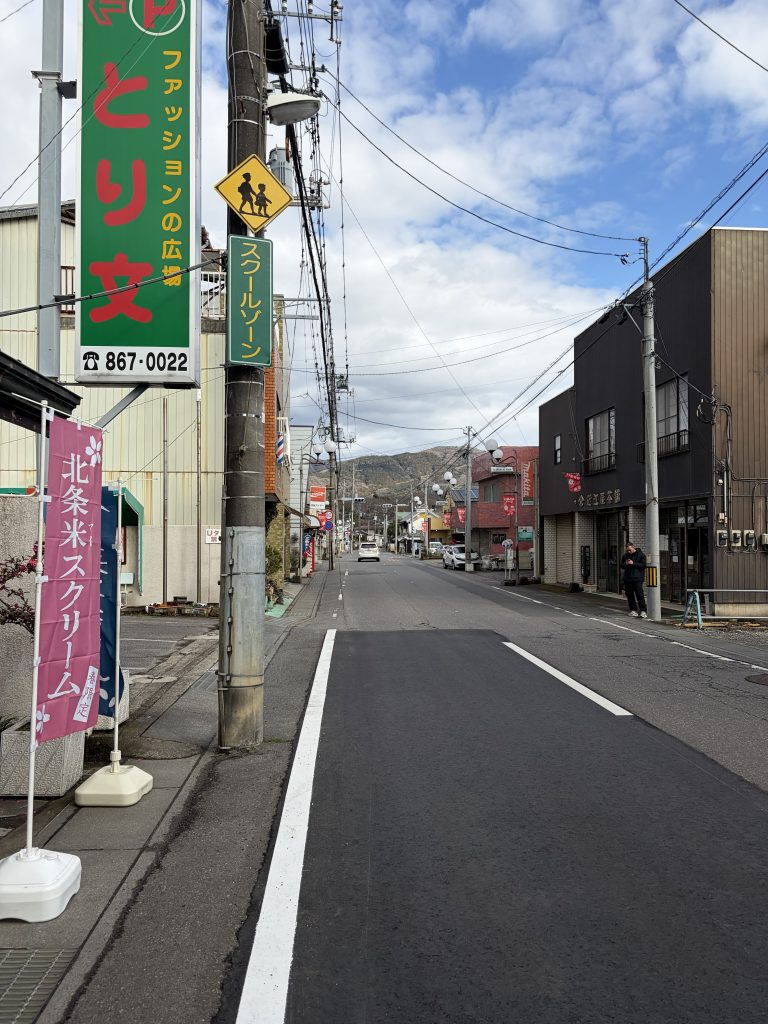
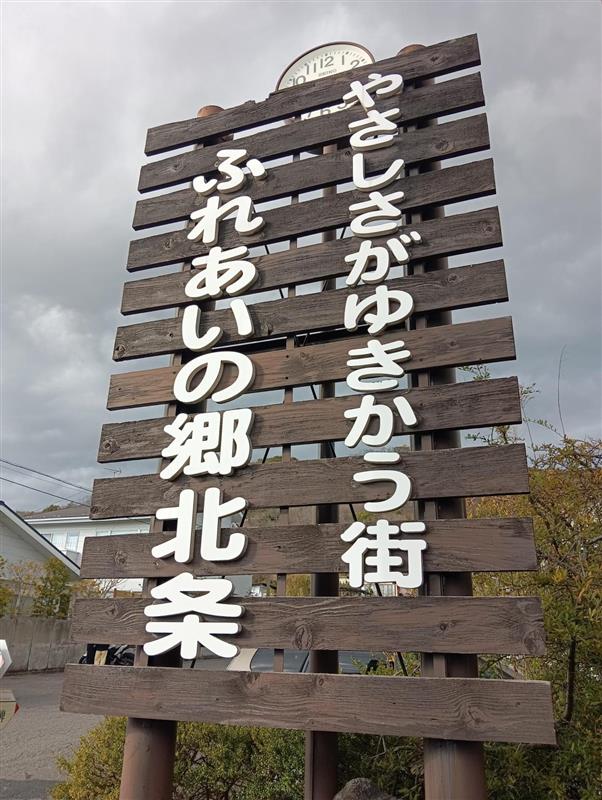
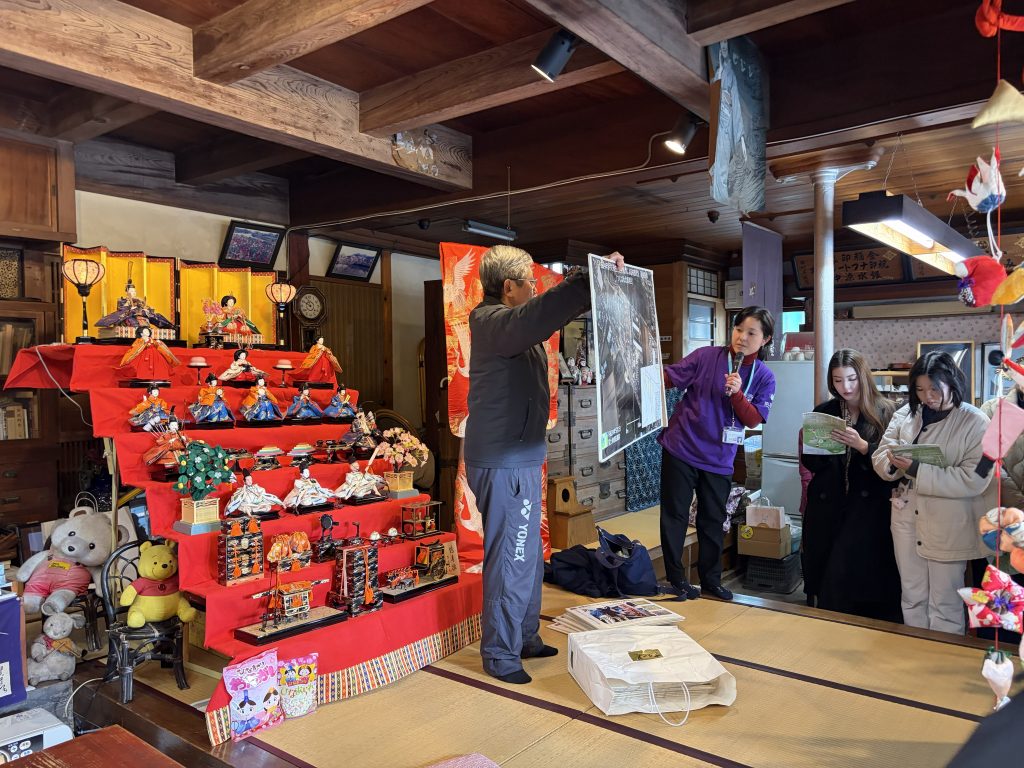
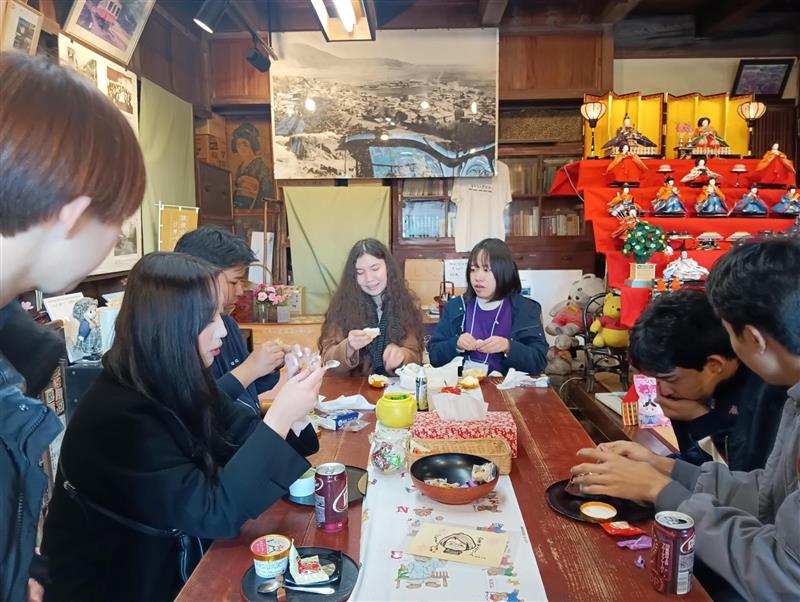
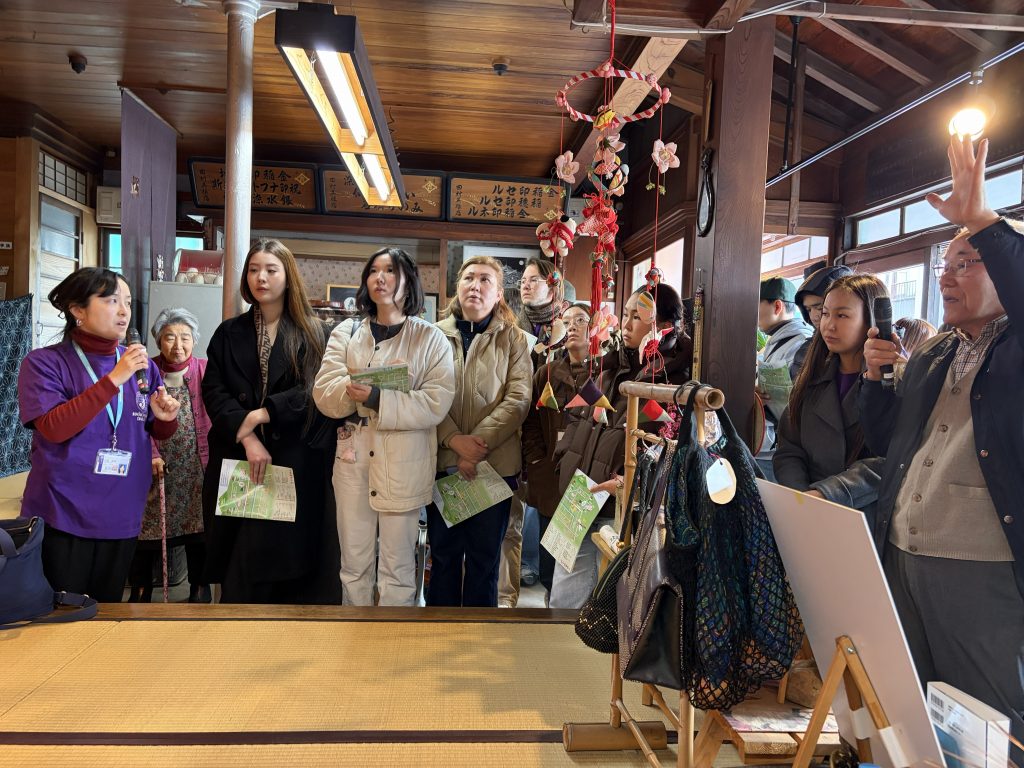
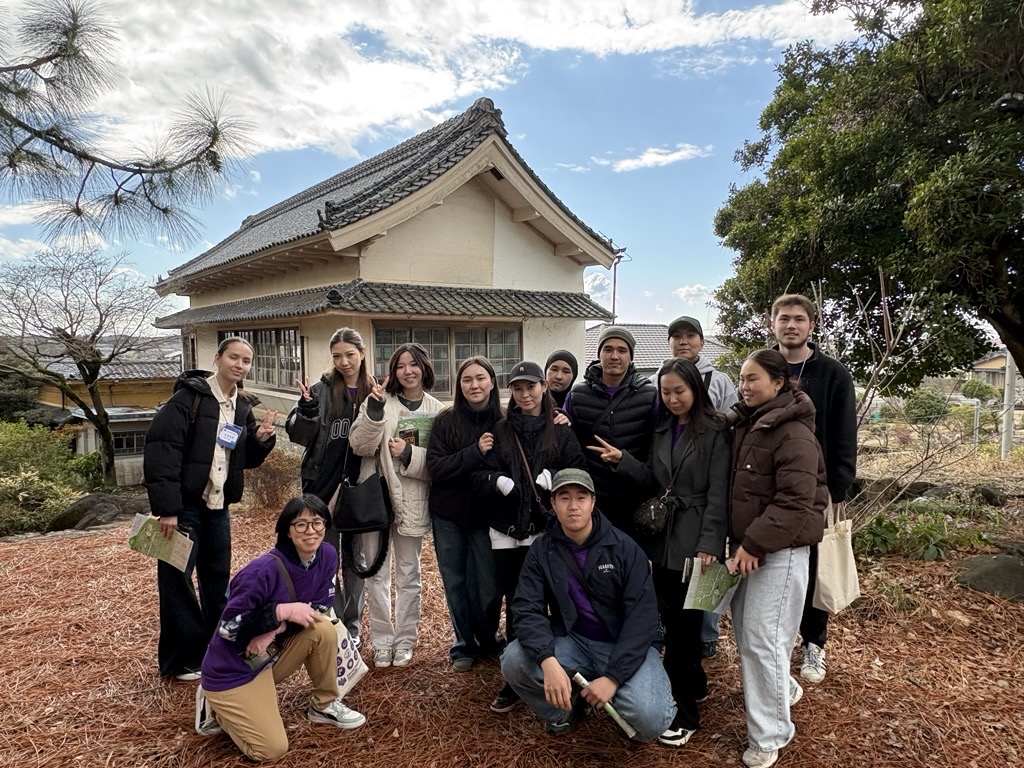
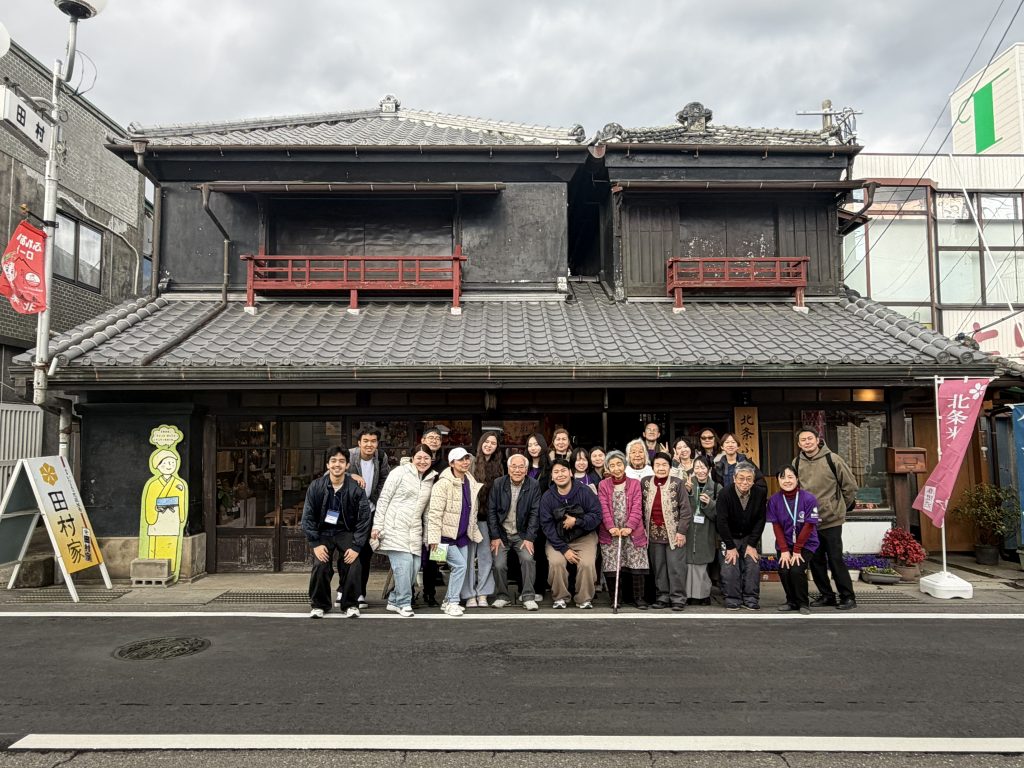
午後は、つくば市周辺市街地振興課の職員の方々とともに北条地区を訪問しました。北条街づくり振興会の坂入会長、宮本様をはじめとする地域の皆様に温かく迎えていただき、矢中の杜や宮清大蔵を見学しながら、歴史ある街並みや地域のまちづくりの取り組みについて学びました。
また、当日販売されたさくらアイスクリームも学生たちに大変好評で、地域の方々の温かいおもてなしに触れ、参加学生からは感動の声が多く聞かれました。
3月5日(木)
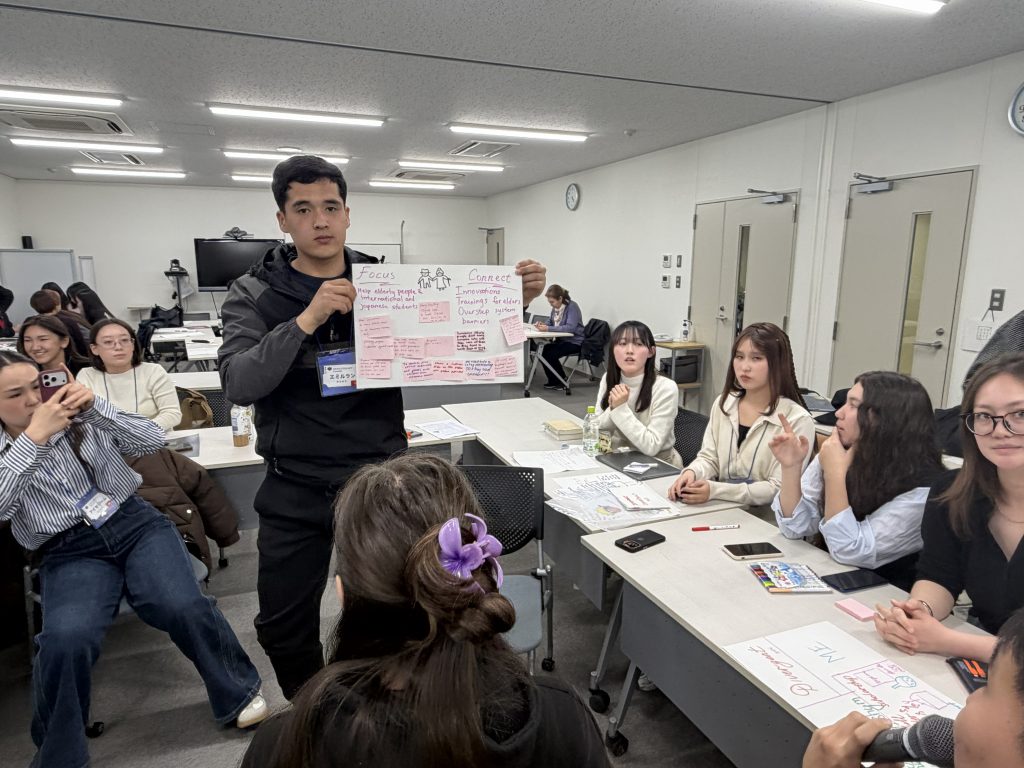
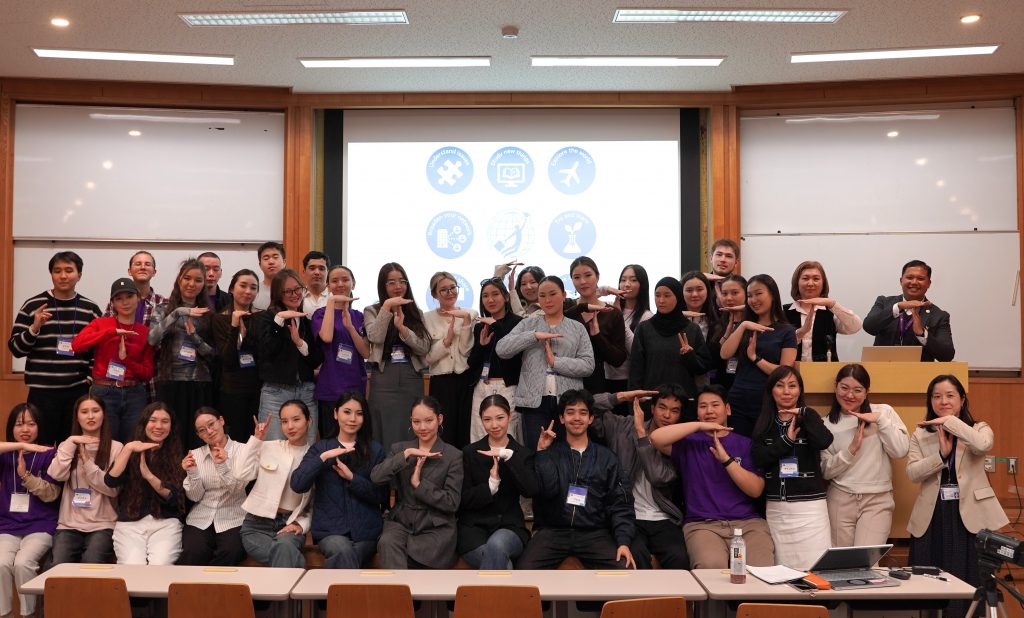
最終日は、あらかじめ事前学習で分かれた4つのグループと設定したテーマで成果発表を行いました。2グループは北条地区の地域資源や観光の可能性に焦点を当て、残る2グループは科学研究都市としてのつくばの魅力をテーマに提案をまとめました。「お年寄りや若者が幅広い世代間で共通の興味を通じて交流できるつくばコミュニティセンターの設立」「外国人や留学生にとってわかりやすい日常生活に寄り添うアプリの開発(ごみの分別等)」「科学研究都市をよりインクルーシブにするための研究機関、大学、留学生たちをつなぐプログラム開発」「実際に現地の方々と触れ合い、活動することを通じて北条の魅力を体感するための半日ツアーの考案」等、学生たちはフィールドワークで得た学びをもとに、多様な視点からつくば市の魅力を再発見し、今後の発展につながるアイデアを発表しました。これらの提案は、今後関係するステークホルダーの皆様にも共有していく予定です。
本プログラムを通して、中央アジアの学生にとっては、科学と歴史文化が共存するつくばの魅力を体感する貴重な機会となりました。また、地域の皆様やつくば市のご協力により、国際的な視点から地域の価値を見つめ直す有意義な交流の場となりました。
本プログラムの実施にあたりご協力いただいたつくば市役所の皆様、北条地区の地域の皆様に、心より御礼申し上げます。今後も筑波大学では、地域と世界をつなぐ多文化共修の取り組みを推進してまいります。
March 6, 2026
From March 2 to 5, 2026, a multicultural collaborative learning program was held through the collaboration of Tsukuba City, NipCA, and the University of Tsukuba. Students from Kazakhstan and Kyrgyzstan joined students from the University of Tsukuba to explore the theme “Rediscovering the Attractions of Tsukuba City.” Through lectures, fieldwork, and discussions, participants examined Tsukuba’s appeal from both perspectives: its identity as a science city and its historical and cultural heritage.
On March 2, the program began with preparatory sessions and lectures to help students understand the characteristics and challenges of Tsukuba City, followed by active discussions in preparation for the fieldwork.
On March 3, students visited Tsukuba City Hall, where they learned about the city’s initiatives, its attractions, and its characteristics as a city with a diverse international population. In the afternoon, they visited a disaster prevention research facility and experienced advanced disaster mitigation technologies, gaining insight into the strengths of Tsukuba as a science and research hub.
On March 4, students visited the Geological Museum and AIST-Cube at the National Institute of Advanced Industrial Science and Technology (AIST), where they explored scientific research and valuable geological collections. In the afternoon, they visited the Hojo district with city officials and local community members, learning about the area’s history and community revitalization efforts while exploring its historic townscape.
On the final day, March 5, students presented their group projects. Two groups focused on the tourism potential and local resources of the Hojo district, while the other two groups explored ideas related to Tsukuba as a science city. Their proposals included ideas such as a community center connecting different generations, a daily-life support app for international residents, programs linking research institutions, universities, and international students, and a half-day experiential tour in Hojo.
Through this program, students from Central Asia had a valuable opportunity to experience Tsukuba’s unique combination of science, culture, and local community. The program also created a meaningful platform for international exchange and for rediscovering the value of the region from global perspectives.
We would like to express our sincere gratitude to Tsukuba City Hall and the local community members of the Hojo district for their generous support in making this program possible. The University of Tsukuba will continue promoting multicultural collaborative learning initiatives that connect local communities and the world.