2026.2.4
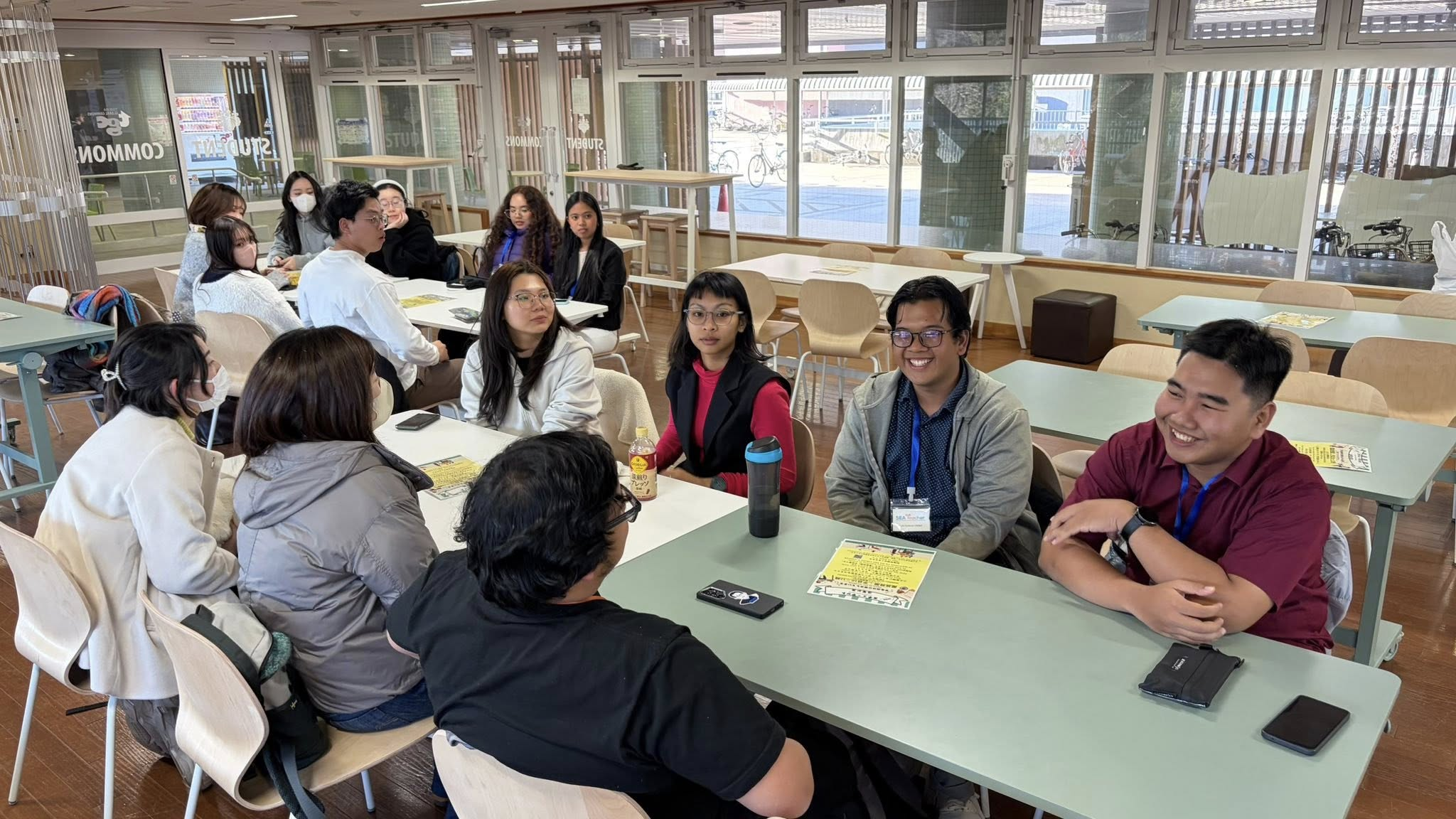
2026年2月3日(火)、ステューデントコモンズ(1A203)において、「教育問題」をテーマとした多文化共修を実施しました。
本プログラムには、SEA-T(SEA-Teacher)プログラムに参加し来日しているフィリピンおよびインドネシアの教育専攻の学生と、本学の学生15名(日本人・留学生、学群生・大学院生)が参加しました。
当日は参加者が2つのグループに分かれ、「各国における教育課題」および「AIの活用に関連する教育問題」をテーマに、英語で議論を行いました。不登校や教育の質、教師の多忙といった日本の課題に加え、東南アジア各国の教育事情や課題についても共有され、活発な意見交換が展開されました。
また、AIの教育現場での活用については、その可能性と課題の両面について多角的な視点から議論が行われ、参加者は互いの考えを深める機会となりました。
参加者からは、「異なる教育背景を持つ学生と議論することで新たな視点を得られた」「英語で教育問題について考える貴重な経験となった」といった声が寄せられました。
本プログラムを通じて、教育課題に対する理解を深めるとともに、国際的な視点から考察する重要性が再認識されました。今後もこのような多文化共修の機会を通じて、学生の国際性の向上と主体的な学びの促進が期待されます。
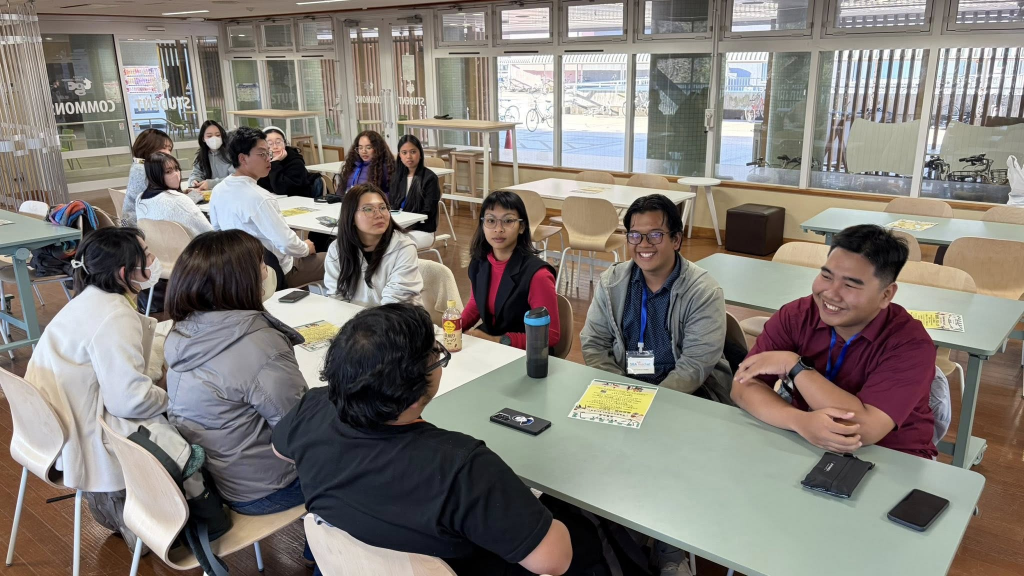
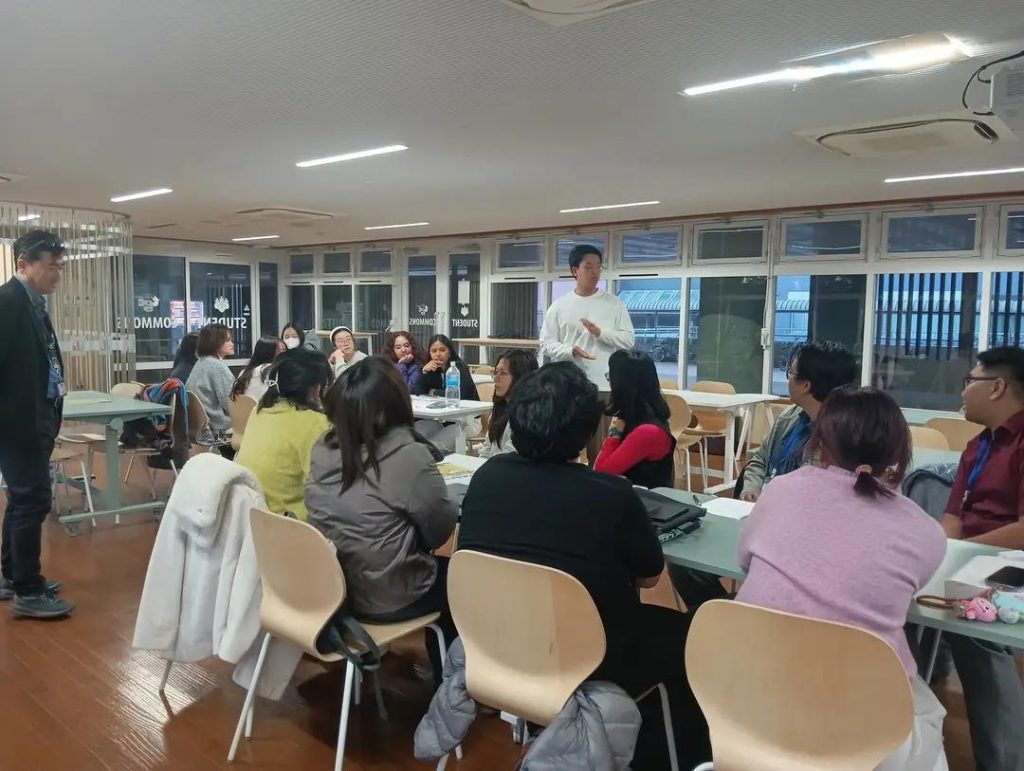
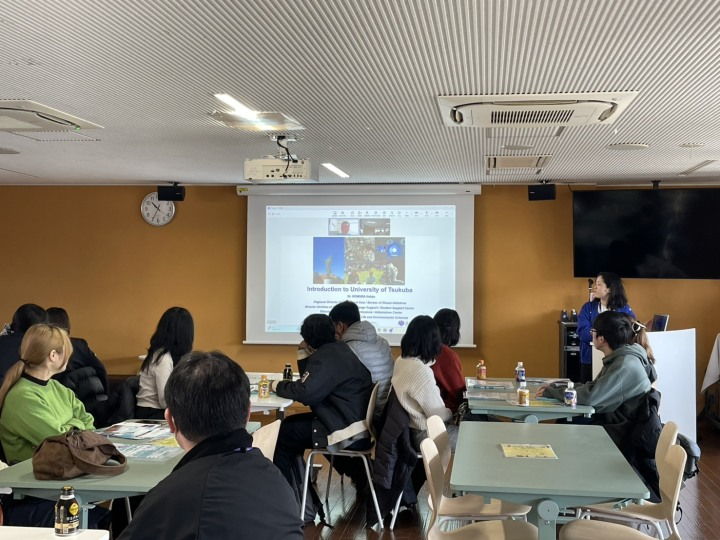
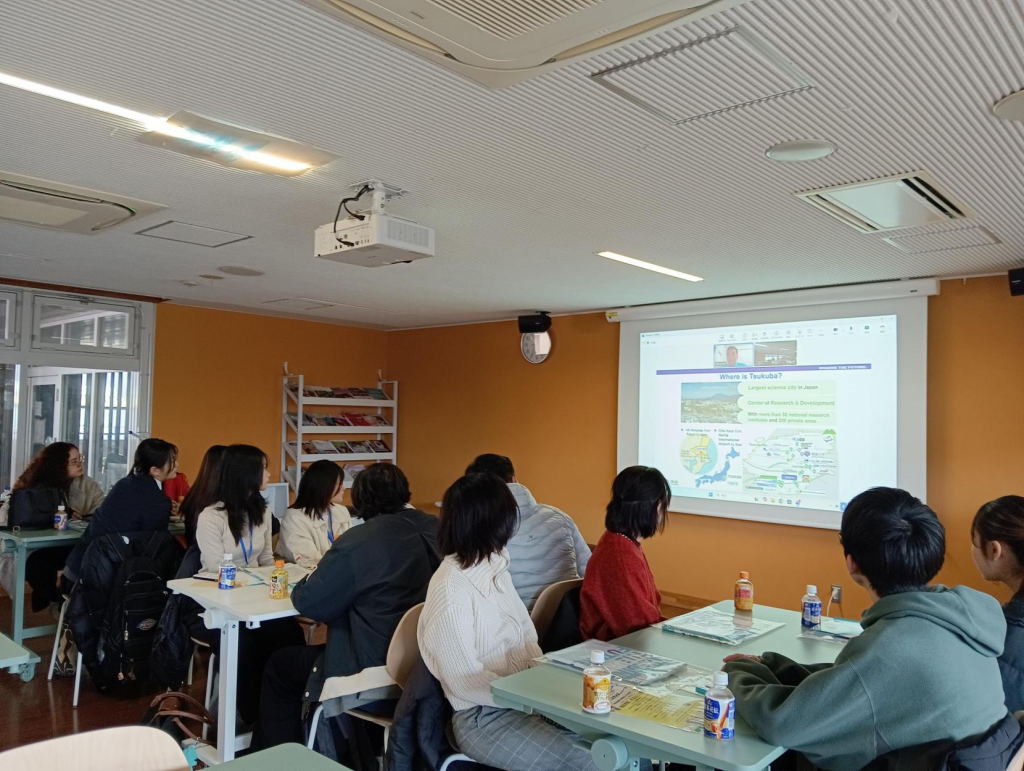
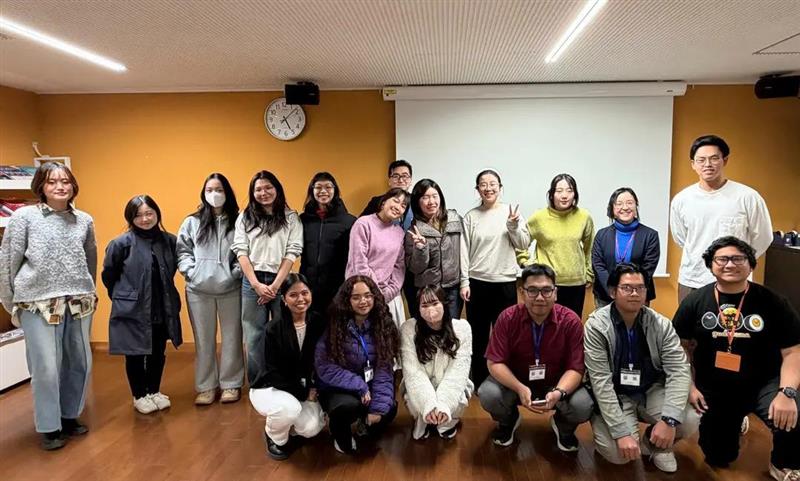
On Tuesday, February 3, 2026, a multicultural collaborative session on “Educational Issues” was held at the Student Commons (1A203).
The session brought together students from the Philippines and Indonesia who are currently in Japan under the SEA-T (SEA-Teacher) Program—pre-service teachers majoring in education—and 15 students from our university, including both Japanese and international students at the undergraduate and graduate levels.
Participants were divided into two groups and engaged in discussions in English on topics such as “educational challenges in each country” and “issues related to the use of AI in education.” In addition to Japanese issues such as school refusal, quality of education, and teachers’ heavy workloads, participants shared perspectives on the current state and challenges of education in Southeast Asia, leading to active and insightful exchanges.
The discussions on AI in education explored both its potential and associated challenges, allowing participants to examine the topic from multiple perspectives.
Participants commented that the session provided a valuable opportunity to gain new insights by engaging with peers from different educational backgrounds and to discuss educational issues in English.
Through this program, participants deepened their understanding of educational challenges and recognized the importance of examining these issues from a global perspective. Continued initiatives like this are expected to further promote students’ international awareness and active learning.