[Activity Report] Multicultural Co-Learning on High School Education Practices and Improvement Strategies
2026.01.30
Ibaraki Prefectural Fujishiro High School Hosts Multicultural Exchange on Upper Secondary Education
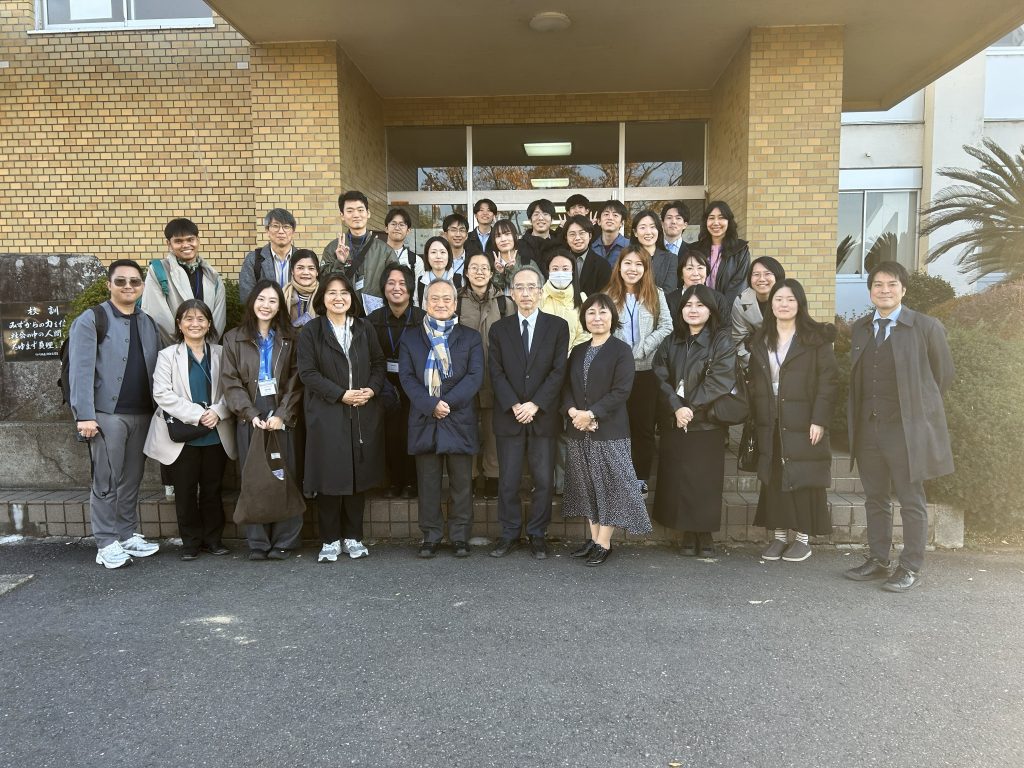
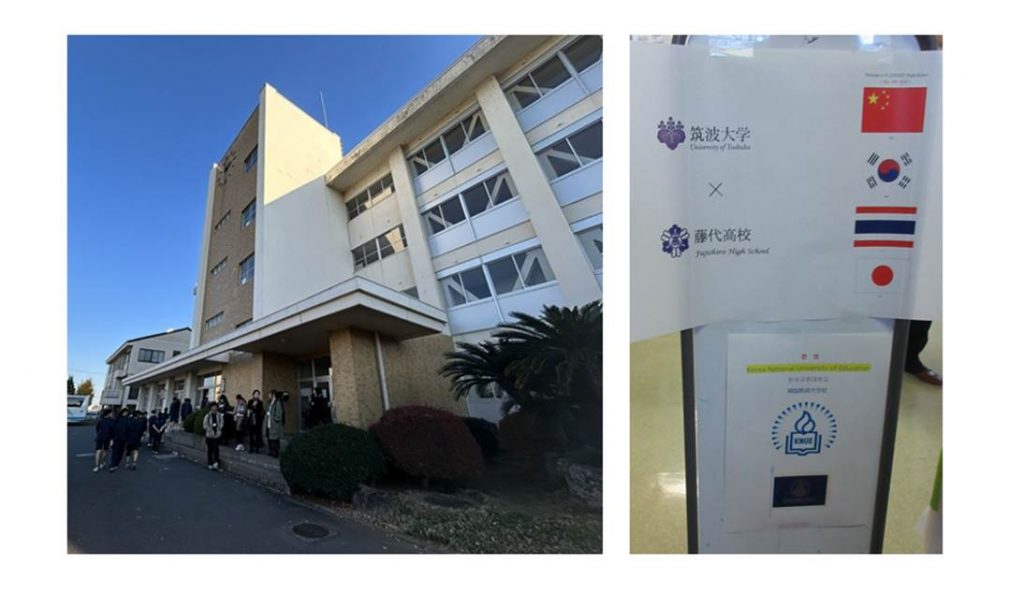
On November 19, 2025, the University of Tsukuba visited Ibaraki Prefectural Fujishiro High School as part of its Multicultural Co-Learning activities. Participants exchanged views on the current state of upper secondary education (high school education) in Japan and across Asia, discussing common challenges and possible approaches to educational improvement.
The activity was conducted in collaboration with the CAMPUS-Asia6 project under the Inter-University Exchange Project. A total of 31 Japanese and international graduate students took part, including participants in the University of Tsukuba’s Multicultural Co-Learning Program, CAMPUS-Asia6 students, and short-term exchange students from the Korea National University of Education.
Through the visit, participants gained a deeper understanding of Japan’s upper secondary education system while sharing educational challenges and initiatives from their respective countries, with the aim of fostering future international collaboration.
Learning Through Classroom Participation and Cultural Exchange
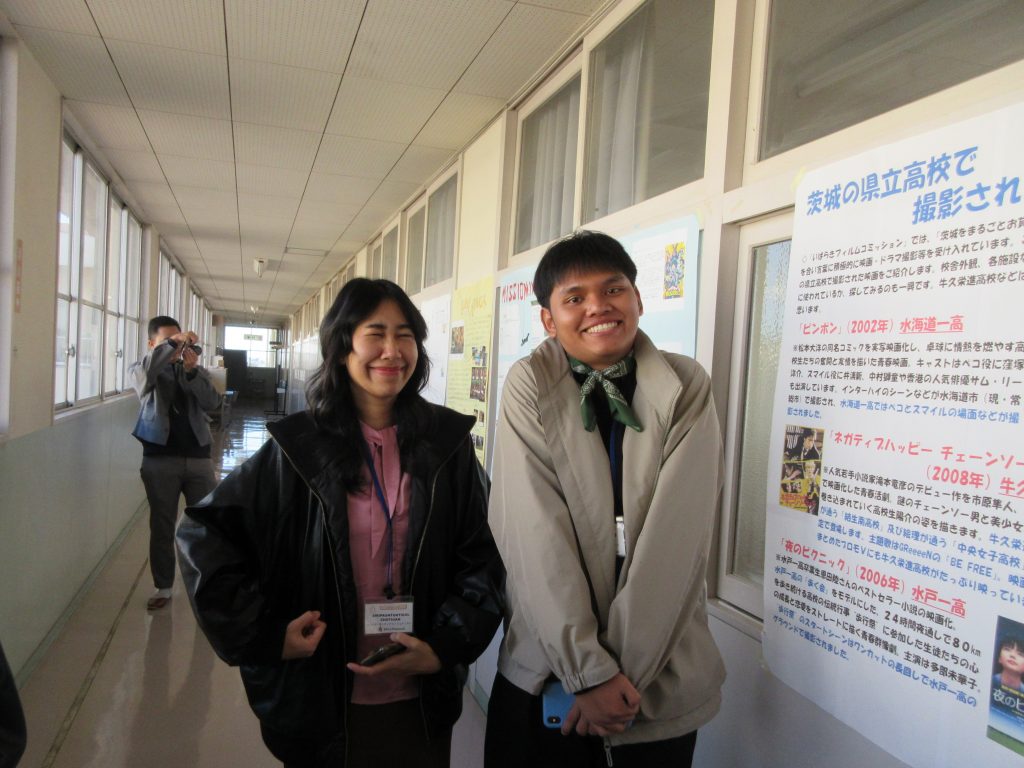
Following an introduction to the school and a campus tour, participants attended two consecutive English classes with first-year high school students. After the lessons, they shared lunch with the students in small groups, creating opportunities for informal cultural exchange. In the afternoon, participants engaged in an active question-and-answer session with the school’s teachers, leading to meaningful discussions on education and teaching practices.
Japanese High School Students Introduce School Life in English
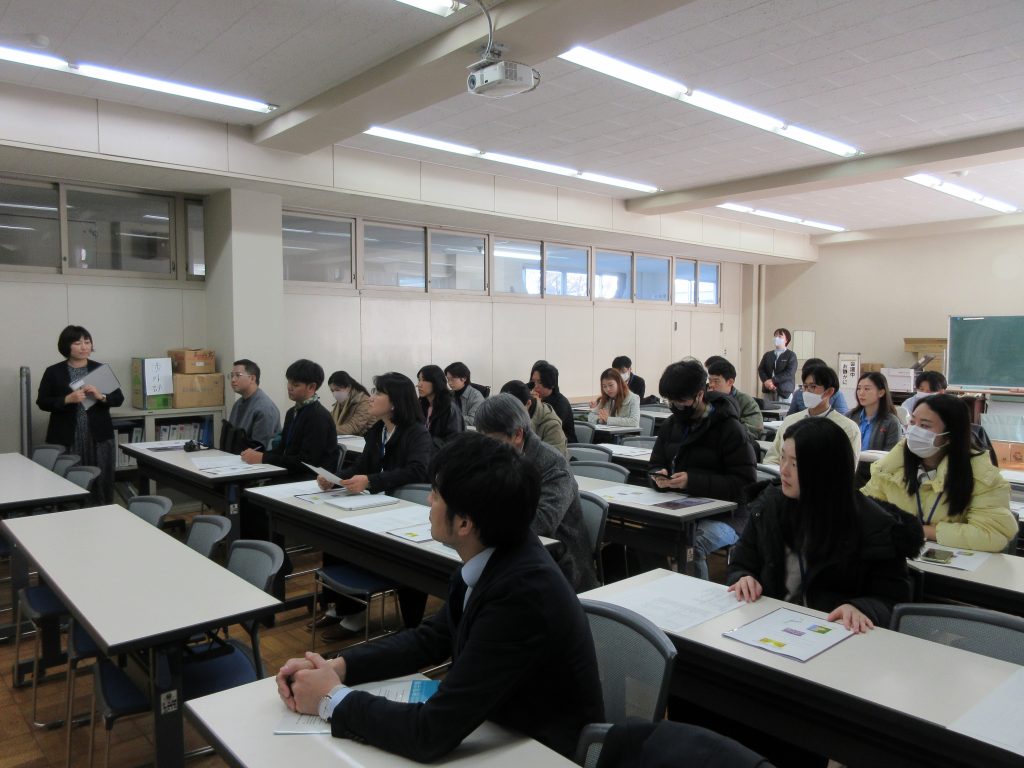
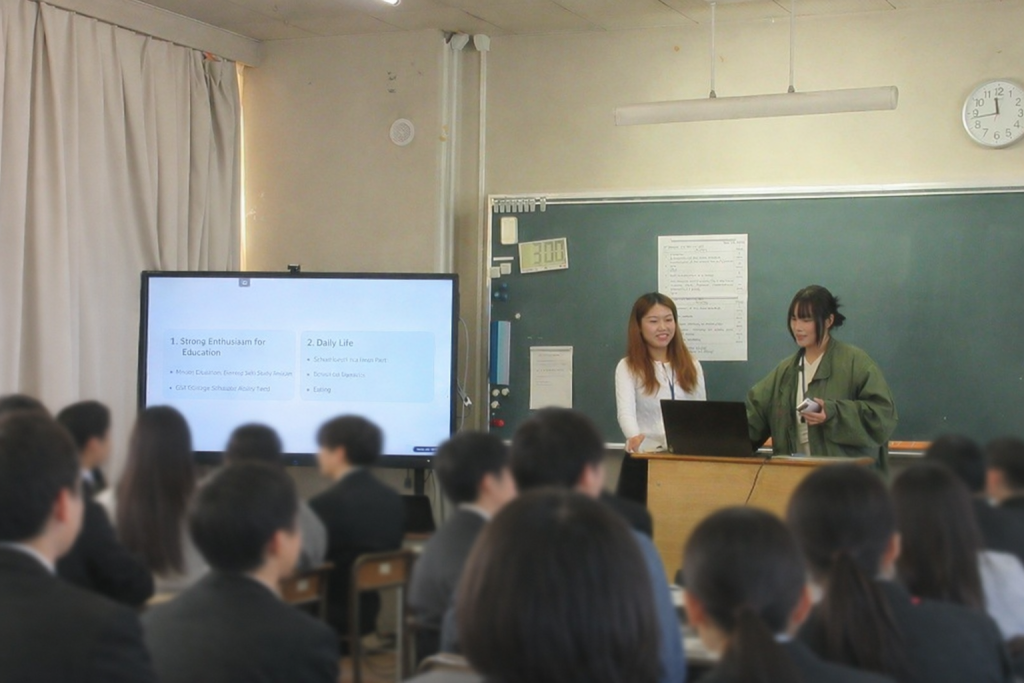
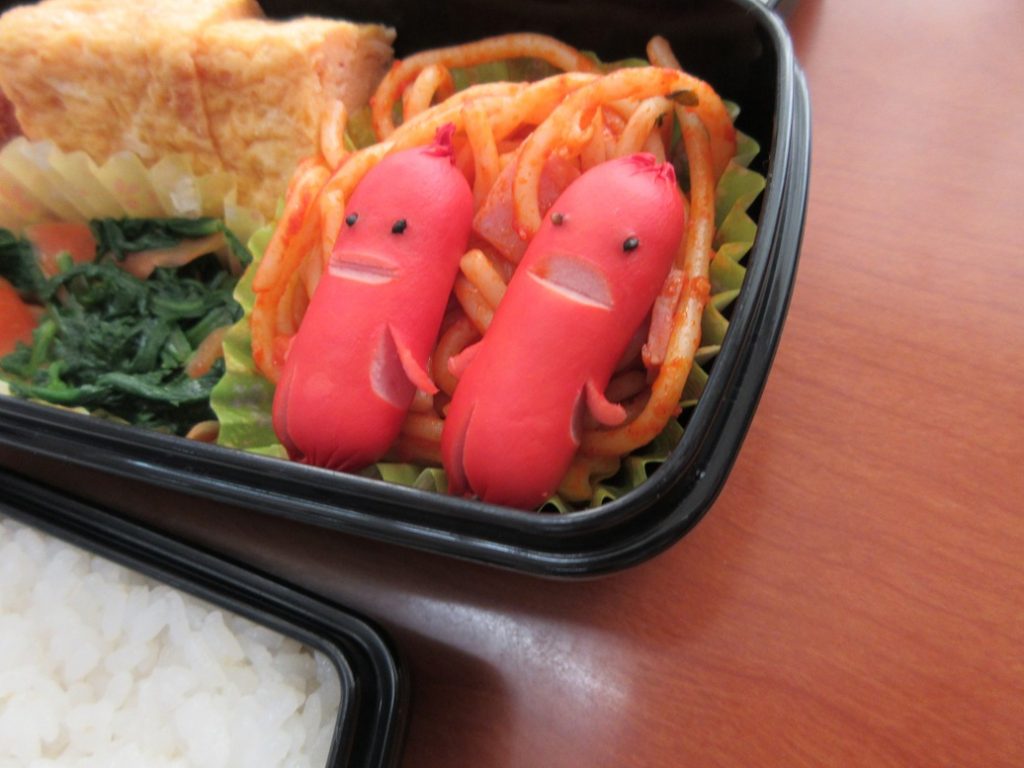
During the first class, each participant joined a small group of high school students and listened to their English presentations on “Life at a Japanese High School.” For many international students, it was a valuable opportunity to hear directly from Japanese students about aspects of school life they had previously only seen in anime or other media, such as school uniforms, club activities, bento lunches, and school trips.
Following the presentations, the international students introduced their own school life and education systems, fostering mutual understanding and cross-cultural exchange. For the high school students, the activity also provided a valuable opportunity to compare Japan’s education system with those of other Asian countries and gain new perspectives.
English Debate on Plastic Pollution
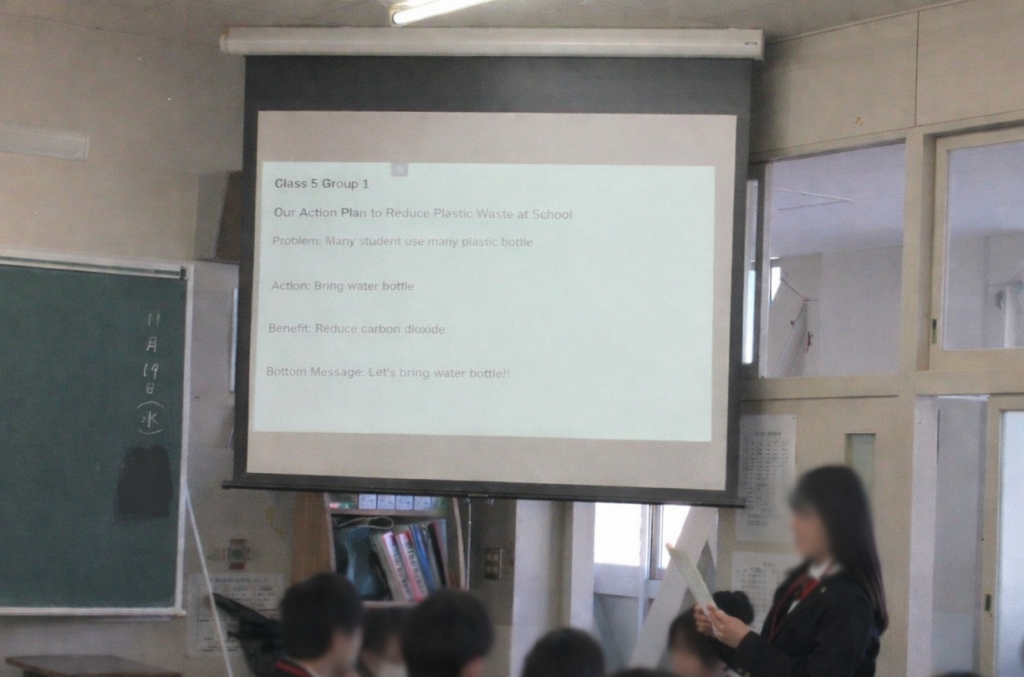
The second class focused on plastic pollution, one of today’s pressing global environmental challenges. Students participated in an English-language debate on the topic: “Should the sale of plastic bottles be banned on school campuses?” Working in groups, they discussed the issue from both supporting and opposing viewpoints before proposing practical action plans.
Although many of the high school students were initially nervous about debating in English, they gradually became more confident and immersed in the discussion itself. Japanese university students also played an important role by facilitating communication between the high school students and the international participants whenever needed.
By discussing a global issue across differences in nationality, language, age, and background, participants shared ideas and worked toward common goals. The experience provided a meaningful opportunity to deepen multicultural understanding through dialogue and collaboration.
Q&A Session with School Educators
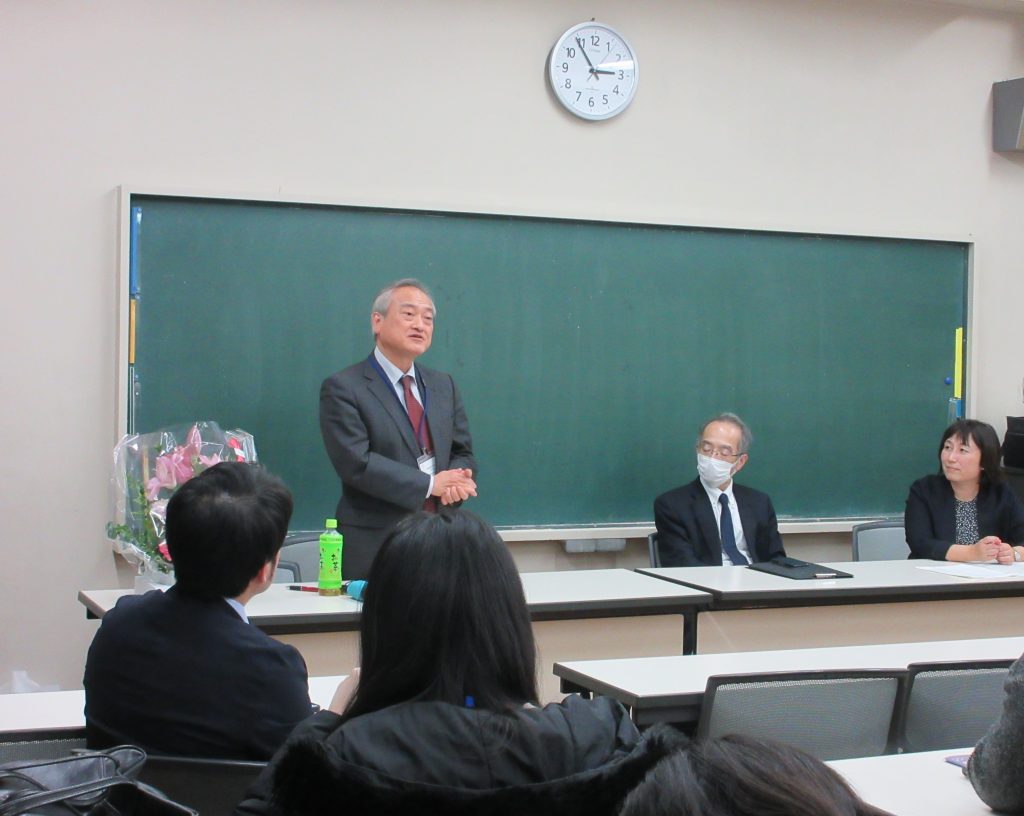
Following an introduction to the school by the principal and members of the English department, participants engaged in a question-and-answer session on the current state of upper secondary education in Japan and the challenges it faces.
The students raised a wide range of questions, and the teachers responded thoughtfully and in detail to each one. Through this discussion, participants gained a deeper understanding of Japan’s high school education system and the issues surrounding contemporary secondary education.