
SMBCグループとの協働によりマレーシアでの多文化共修を実施 Multicultural Co-learning Program Conducted in Malaysia in Partnership with SMBC Group

カテゴリー:


2026.3.18


本学は2026年2月8日~15日、マレーシア・クアラルンプール及びジョホールバルにおいて、水環境をテーマにした多文化共修プログラム(学生交流プログラム in Malaysia DOJO)を実施しました。筑波大15名に加え、マレーシア工科大10名、マラヤ大学2名の計27名が参加し、現地河川での水質調査や企業訪問等を通じて、持続可能な水利用と環境保全について国際的な視点から学びを深めました。

本プログラムでは、株式会社三井住友フィナンシャルグループから資金面の支援をいただいたほか、プログラム構築においてもご協力をいただきました。具体的にはマレーシア三井住友銀行への訪問や、マレーシアで水処理薬品の製造・販売を手がける栗田工業株式会社をご紹介いただき、同社のご協力のもと工場見学や講義を実施しました。
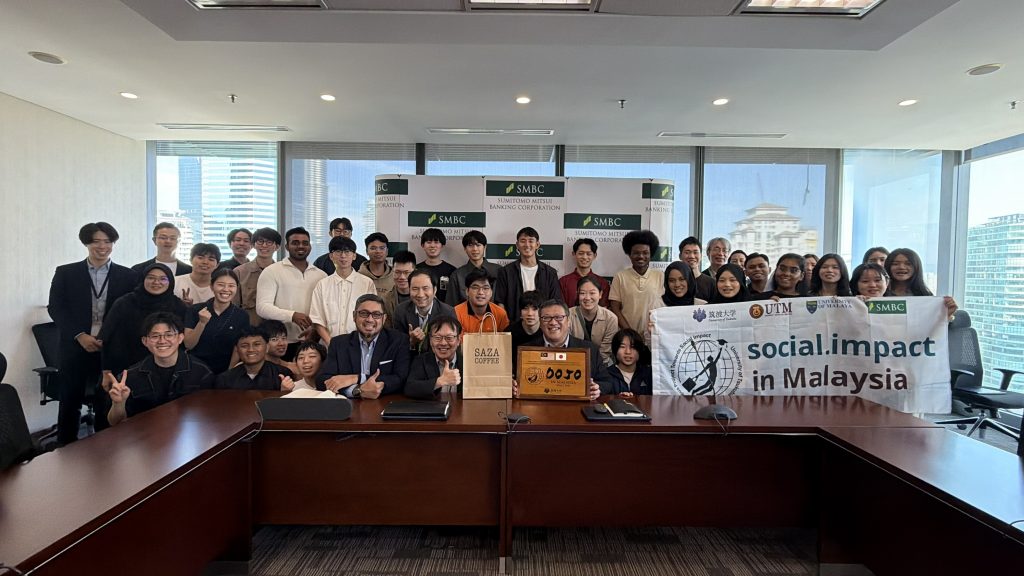
SMBCマレーシア訪問の様子

参加学生は3大学混成のグループを編成し、フィールドワークを通じて現地の社会課題である水質問題について理解を深め、最終報告会において解決策の提案を行いました。報告会では、筑波大、マレーシア工科大の教員に加え、マレーシア三井住友銀行、栗田工業、ジョホール州の経済開発区イスカンダル地域開発庁(IRDA)にもご参加いただき、大学、企業、行政という多様な視点から講評をいただきました。
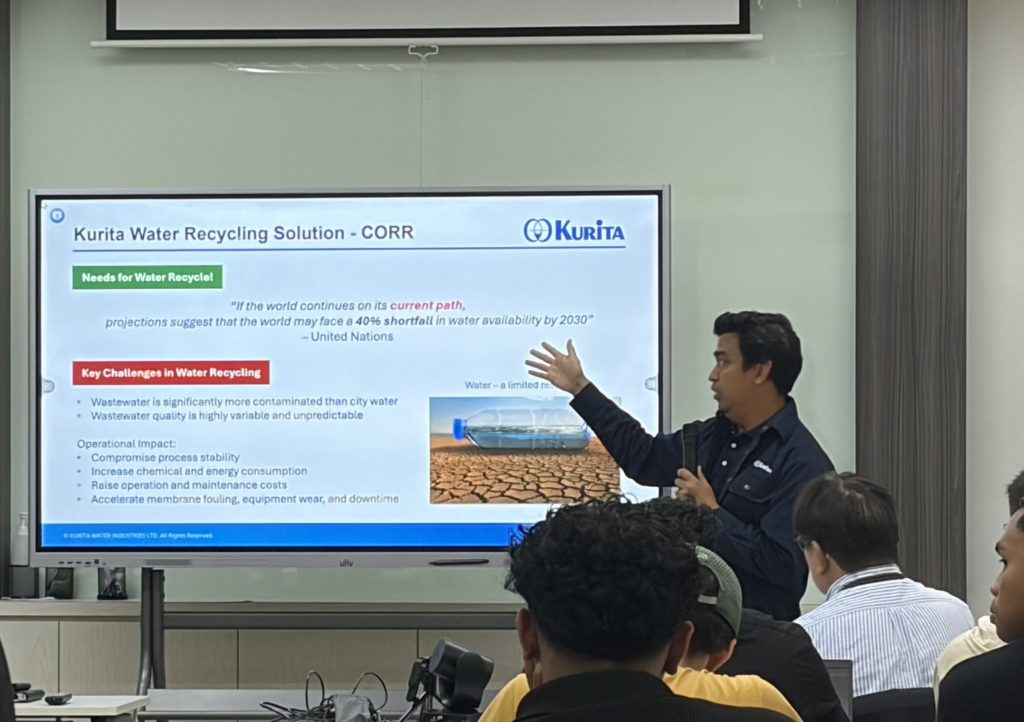
栗田工業での講義
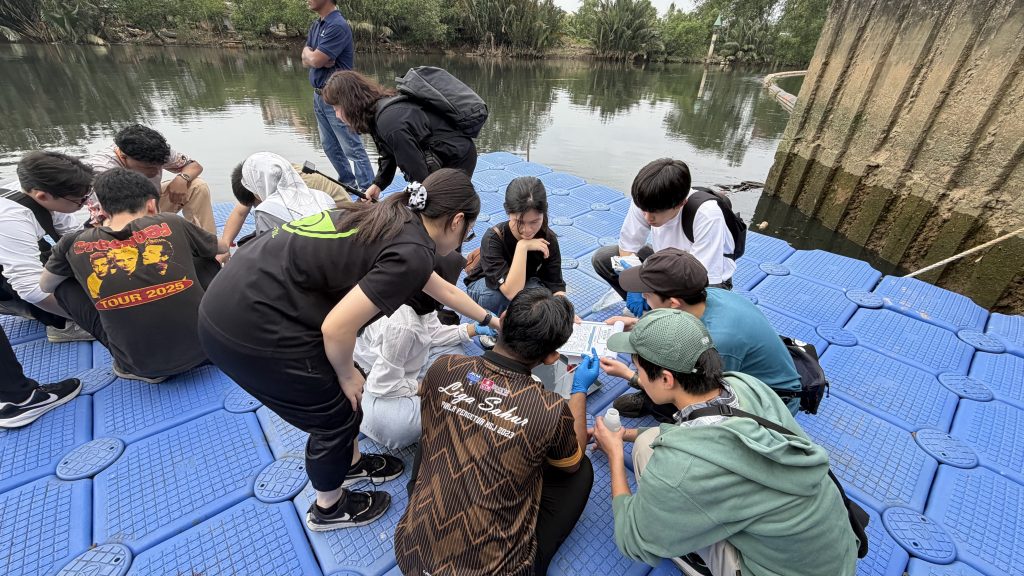
水環境計測実習の様子

本学は2024年度より文部科学省の「大学の国際化によるソーシャルインパクト創出支援事業」に採択されており、本プログラムは同事業の一環であるDOJOプログラムとして実施しました。今後も日本人学生と外国人学生がそれぞれの視点を活かしながら社会課題について学ぶ多文化共修を積極的に実施します。
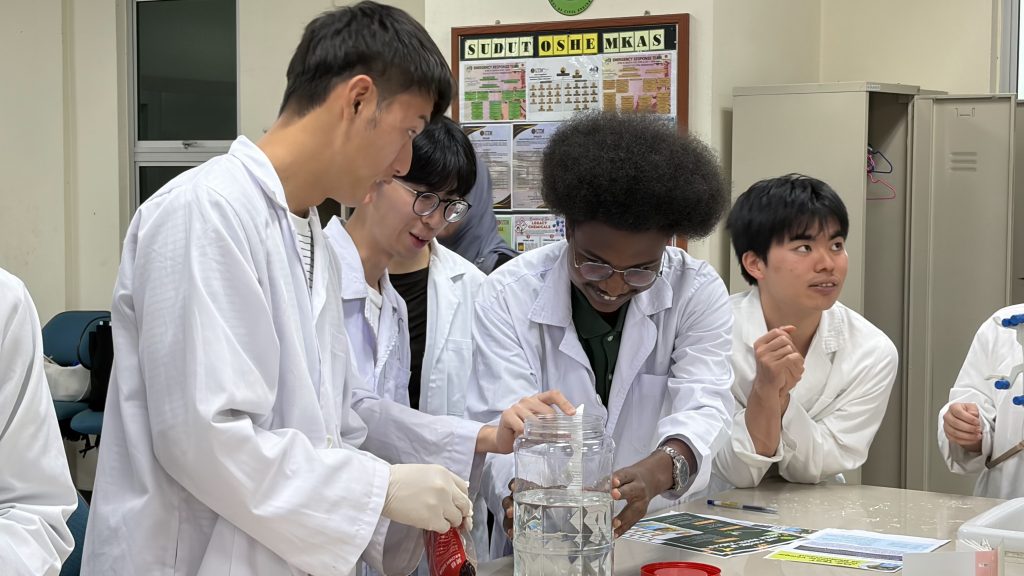
マレーシア工科大学での実験
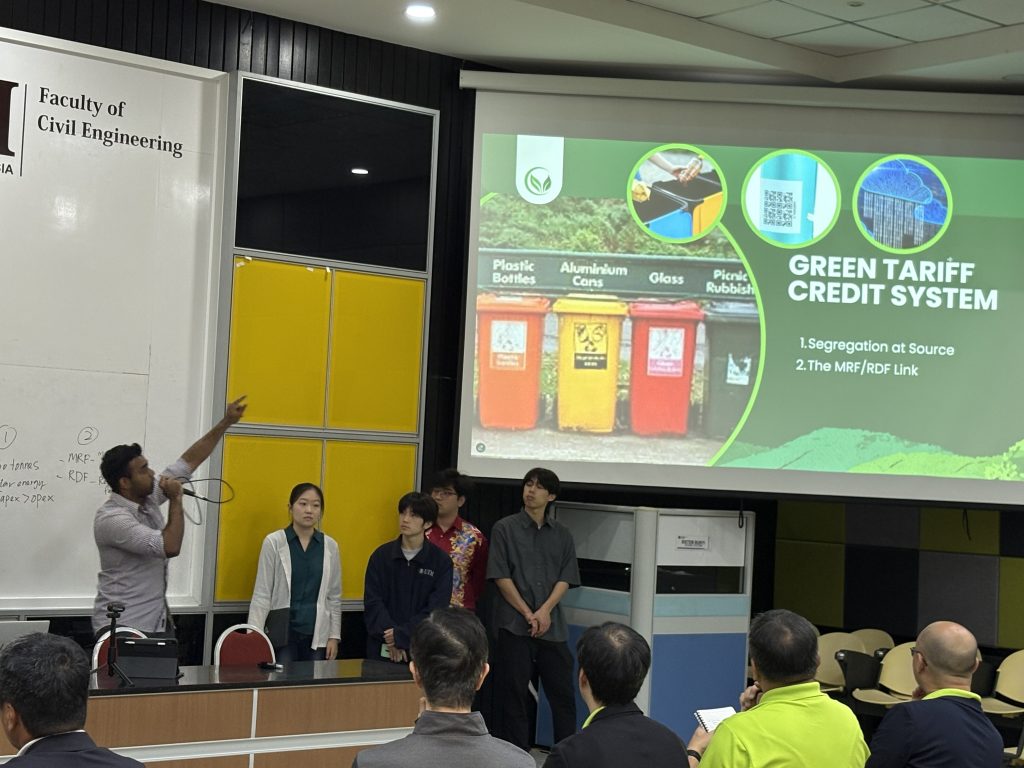
最終発表会の様子
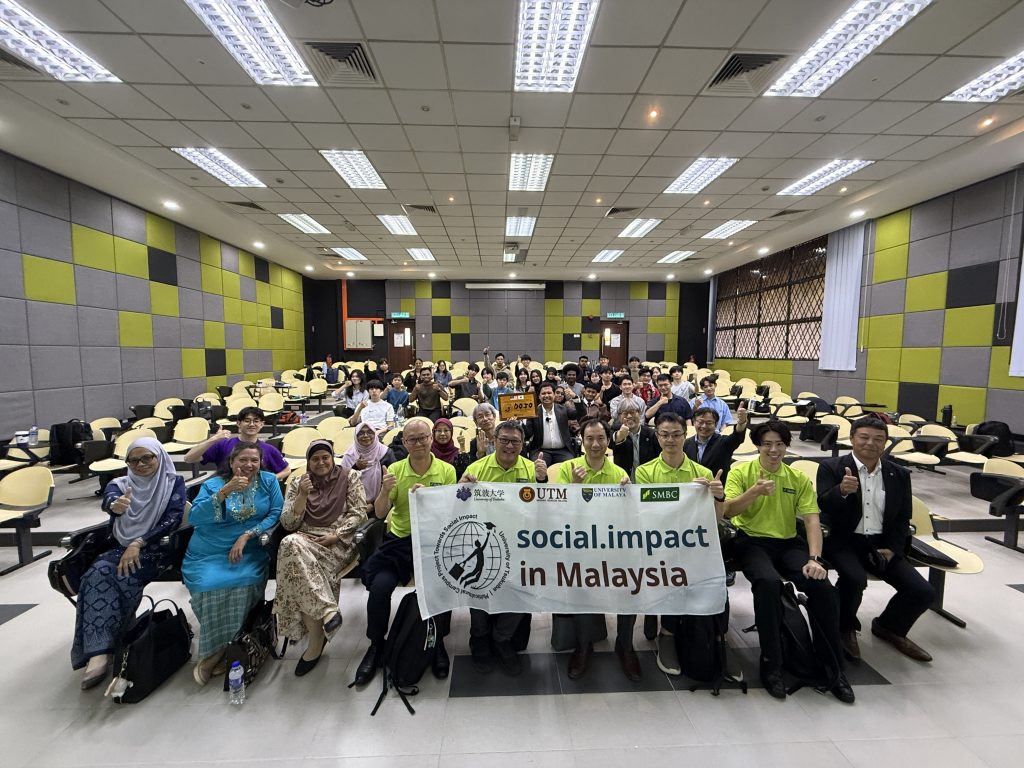
最終発表会での集合写真

From February 8 to 15, 2026, University of Tsukuba conducted a multicultural co-learning program in Malaysia DOJO. Based in Kuala Lumpur and Johor Bahru, Malaysia, the program focused on the theme of water environments. A total of 27 students participated, including 15 from our university, 10 from Universiti Teknologi Malaysia, and 2 from the University of Malaya.

Through activities such as water quality surveys in local rivers and company visits, students deepened their understanding of sustainable water use and environmental conservation from an international perspective.

This program was supported financially by Sumitomo Mitsui Financial Group, Inc. (SMBC Group), which also contributed to the program’s development. As part of the program, participants visited SMBC Malaysia and were introduced to Kurita Water Industries Ltd., a company engaged in the manufacturing and sales of water treatment chemicals in Malaysia. With the company’s cooperation, students took part in a factory tour and attended lectures.

Students were divided into mixed groups consisting of members from all three universities. Through fieldwork, they explored local water quality issues as a key social challenge and proposed solutions during the final presentation session. The session was attended by faculty members from our university and Universiti Teknologi Malaysia, as well as representatives from SMBC Malaysia, Kurita Water Industries, and the Iskandar Regional Development Authority (IRDA) in Johor.

Participants received valuable feedback from diverse perspectives spanning academia, industry, and government. Since fiscal year 2024, our university has been selected for the Ministry of Education, Culture, Sports, Science and Technology (MEXT) project, “Multicultural Campus Project toward Social Impact.” This program was implemented as part of the DOJO Program under this initiative. Moving forward, we will continue to actively promote multicultural collaborative learning programs, enabling both Japanese and international students to engage with social issues from diverse perspectives.