Rediscovering Tsukuba’s Charms: Multicultural Co-learning with Students from Kazakhstan and Kyrgyzstan
2026.03.06
From March 2 to 5, 2026, a multicultural collaborative learning program was held through the collaboration of Tsukuba City, NipCA, and the University of Tsukuba. Students from Kazakhstan (Al-Farabi Kazakh National University) and Kyrgyzstan joined students from the University of Tsukuba to explore the theme “Rediscovering the Attractions of Tsukuba City.” Through lectures, fieldwork, and discussions, participants examined Tsukuba’s appeal from both perspectives: its identity as a science city and its historical and cultural heritage.
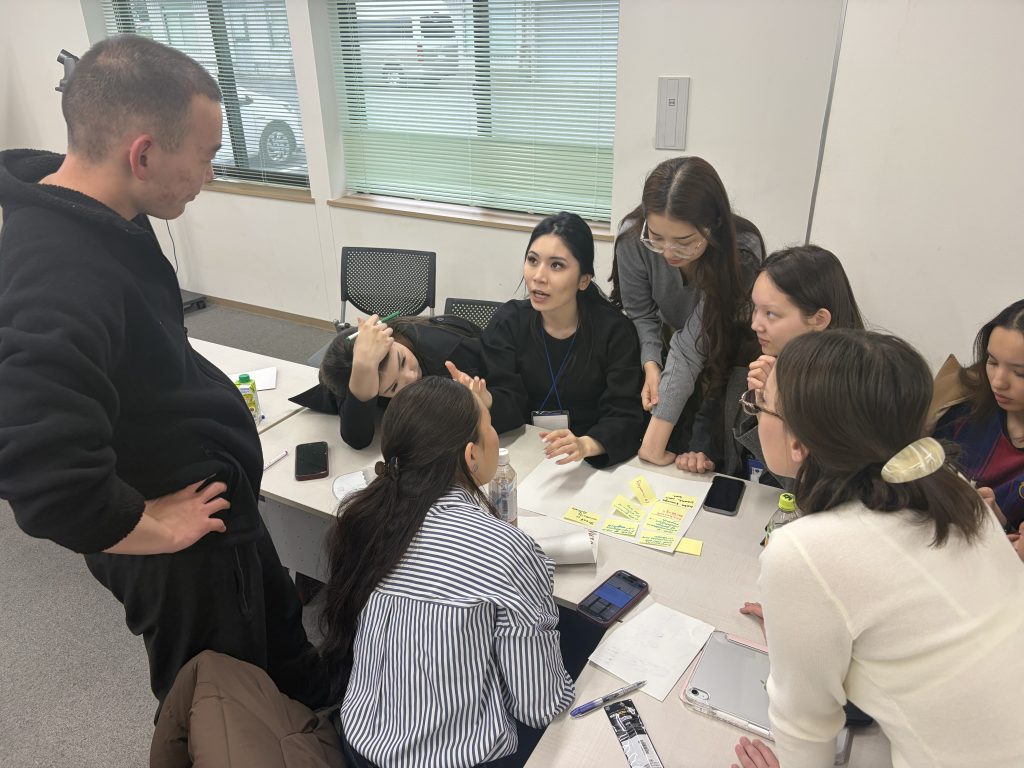
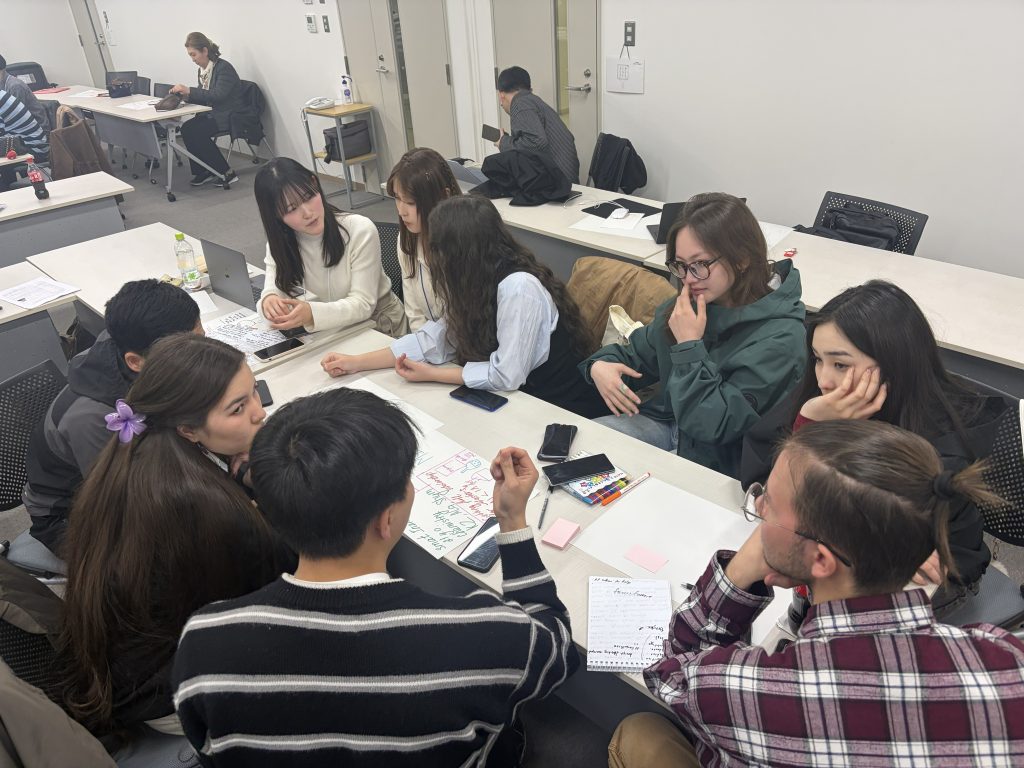
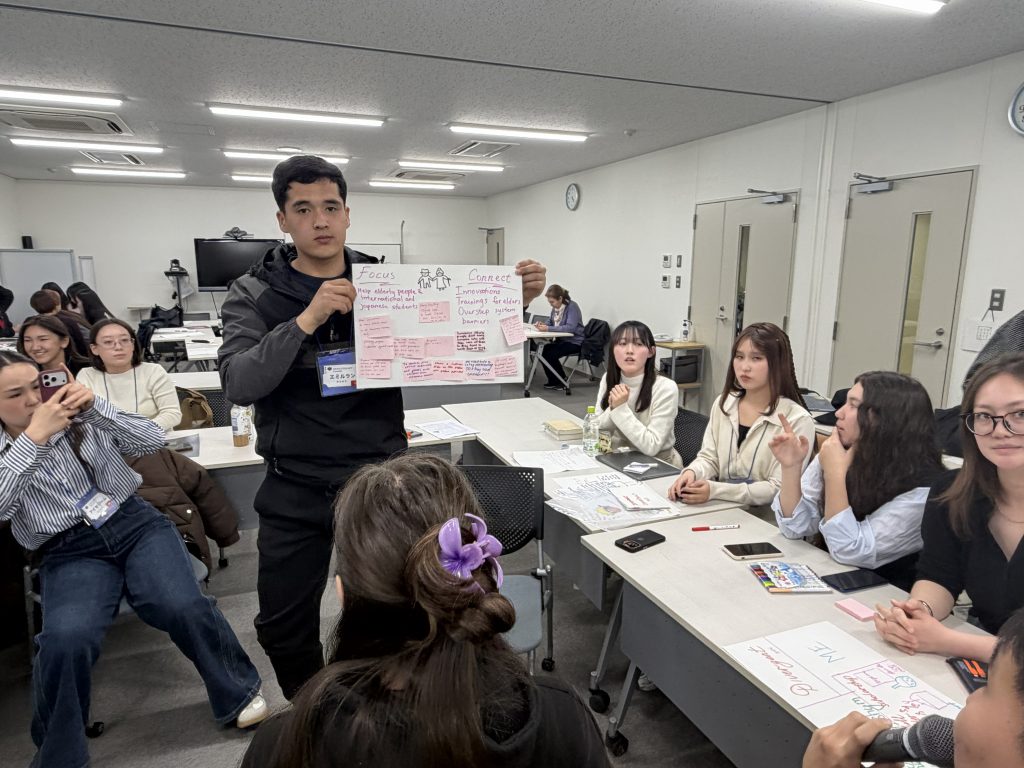
On March 2, the program began with preparatory sessions and lectures to help students understand the characteristics and challenges of Tsukuba City, followed by active discussions in preparation for the fieldwork.
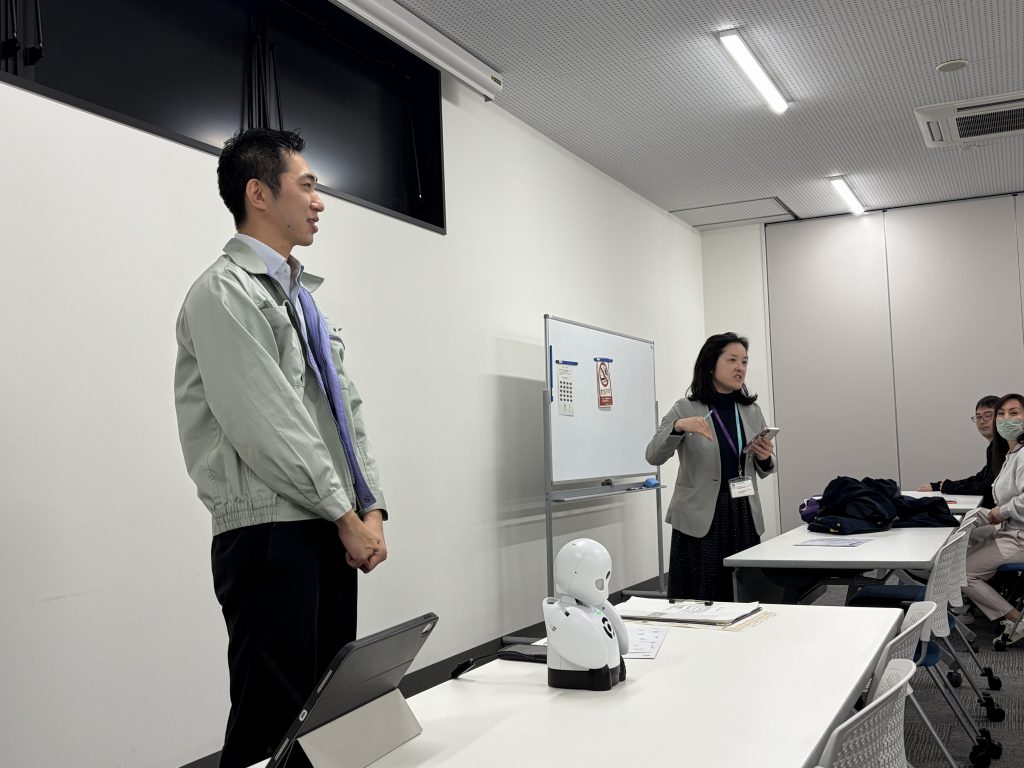
On March 3, students visited Tsukuba City Hall, where they learned about the city’s initiatives, its attractions, and its characteristics as a city with a diverse international population.
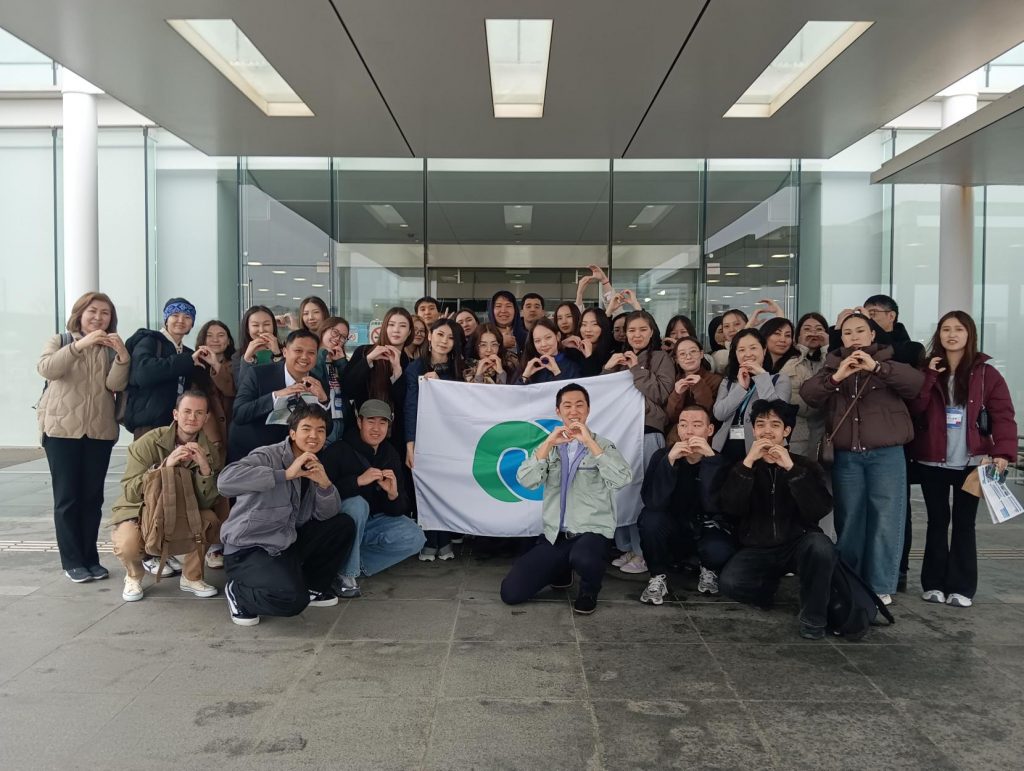
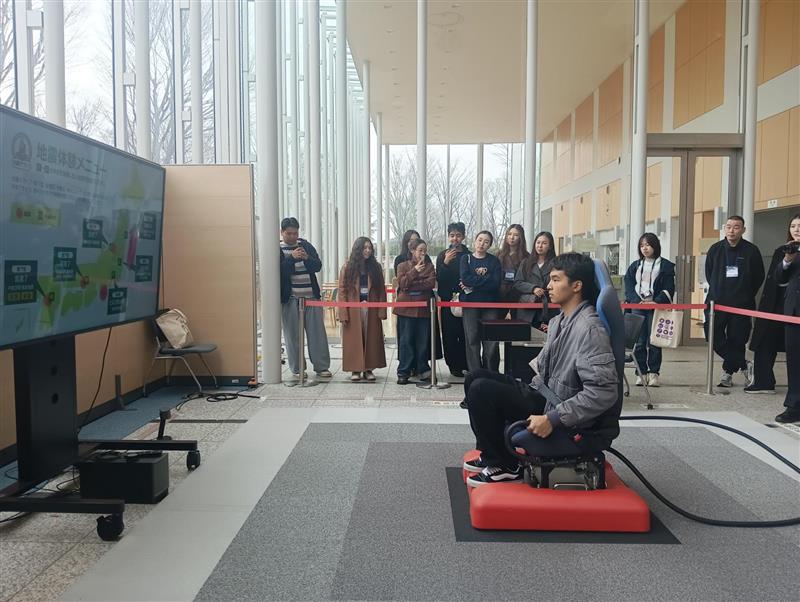
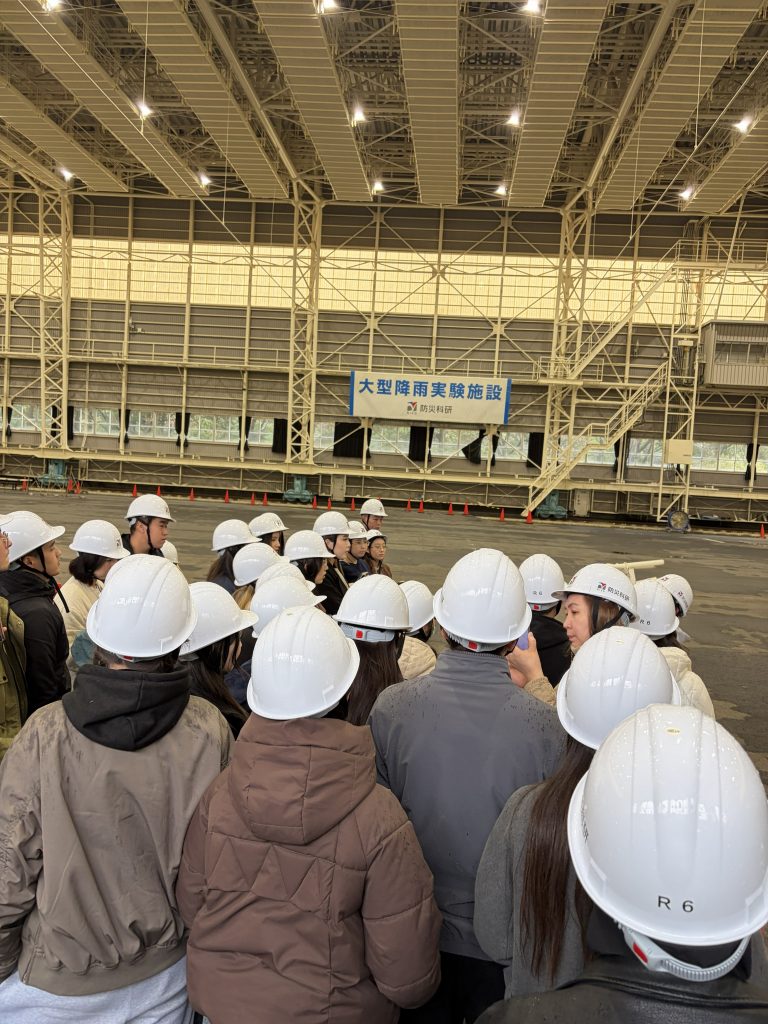
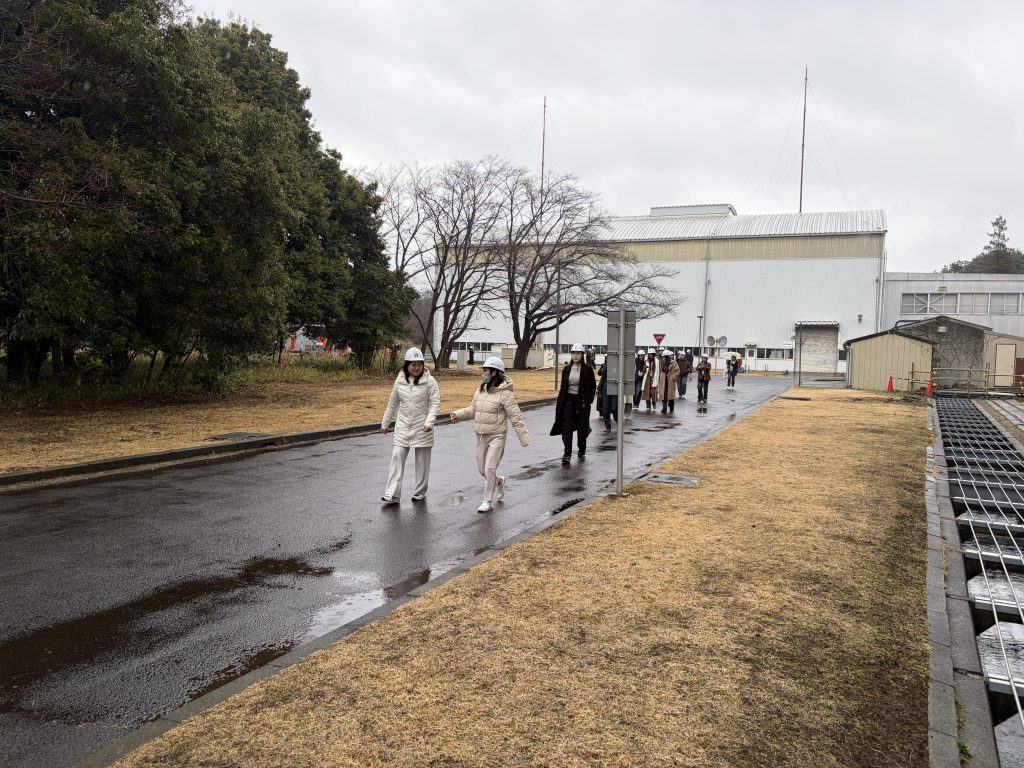
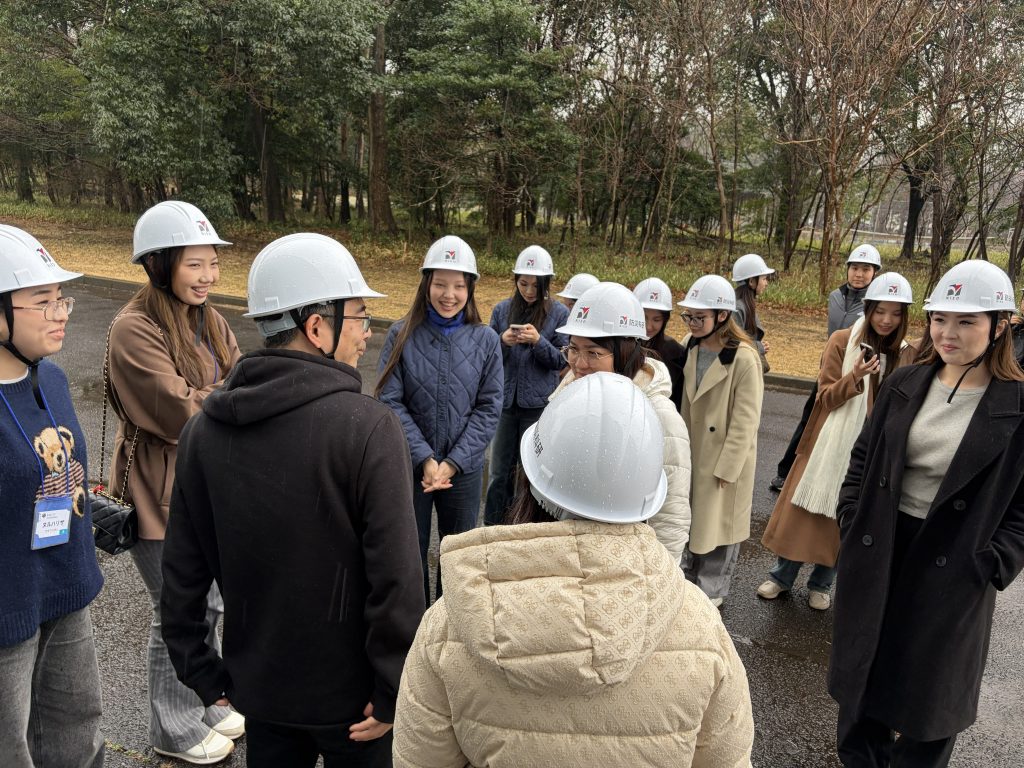
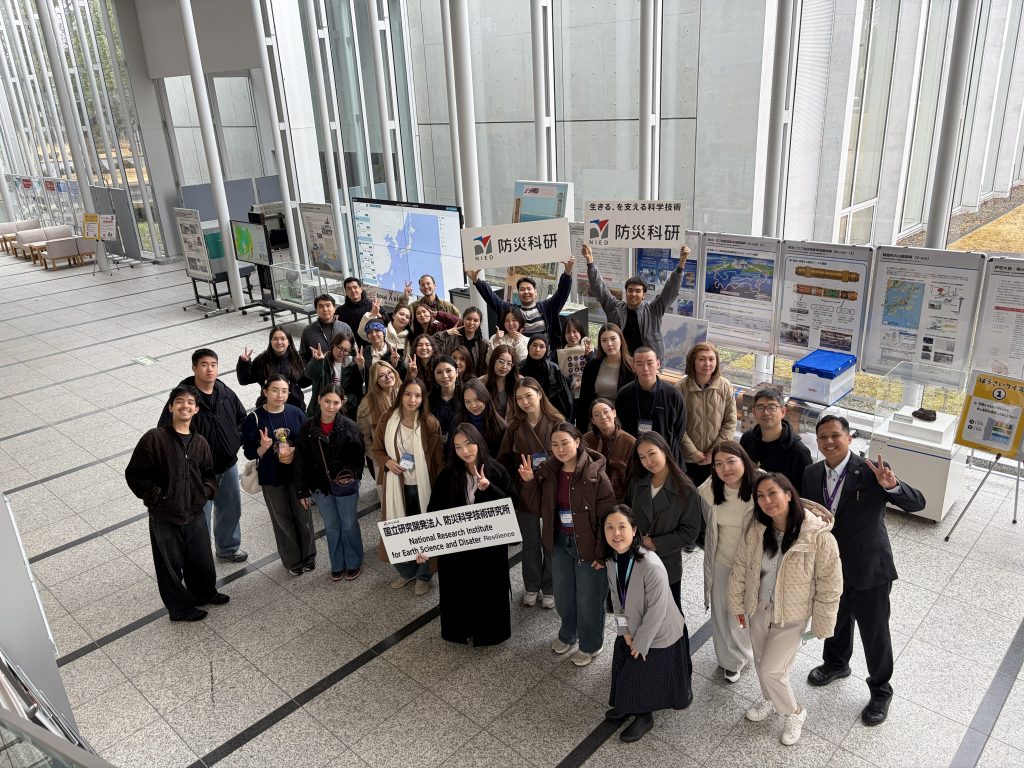
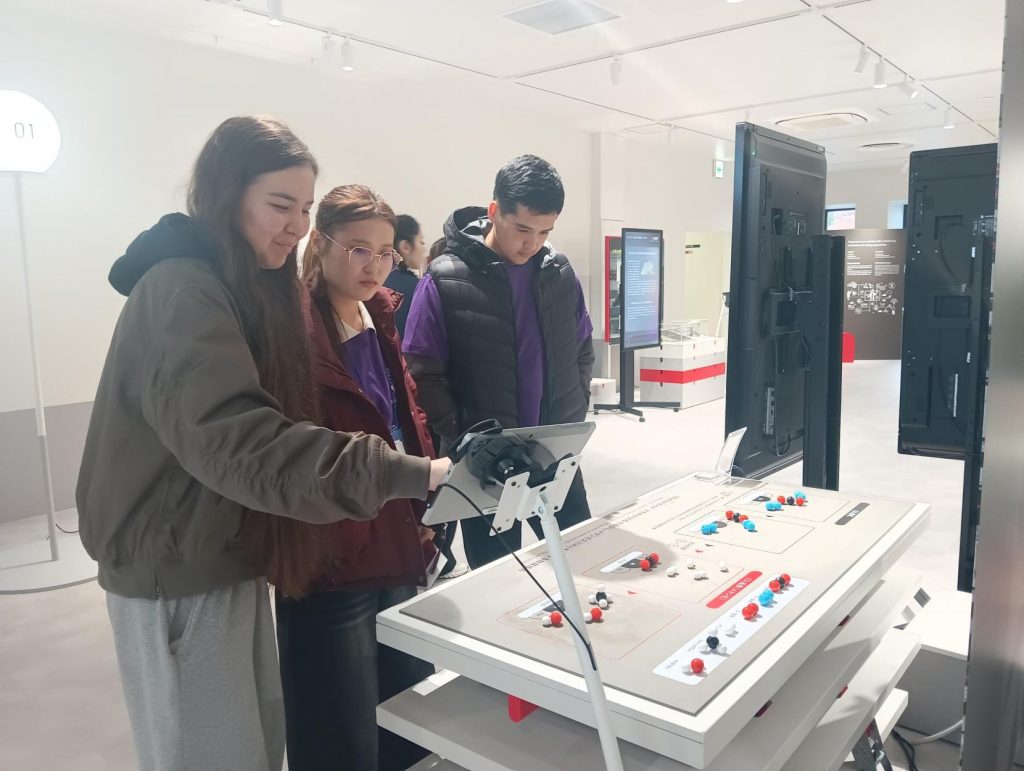
In the afternoon, they visited a disaster prevention research facility and experienced advanced disaster mitigation technologies, gaining insight into the strengths of Tsukuba as a science and research hub.
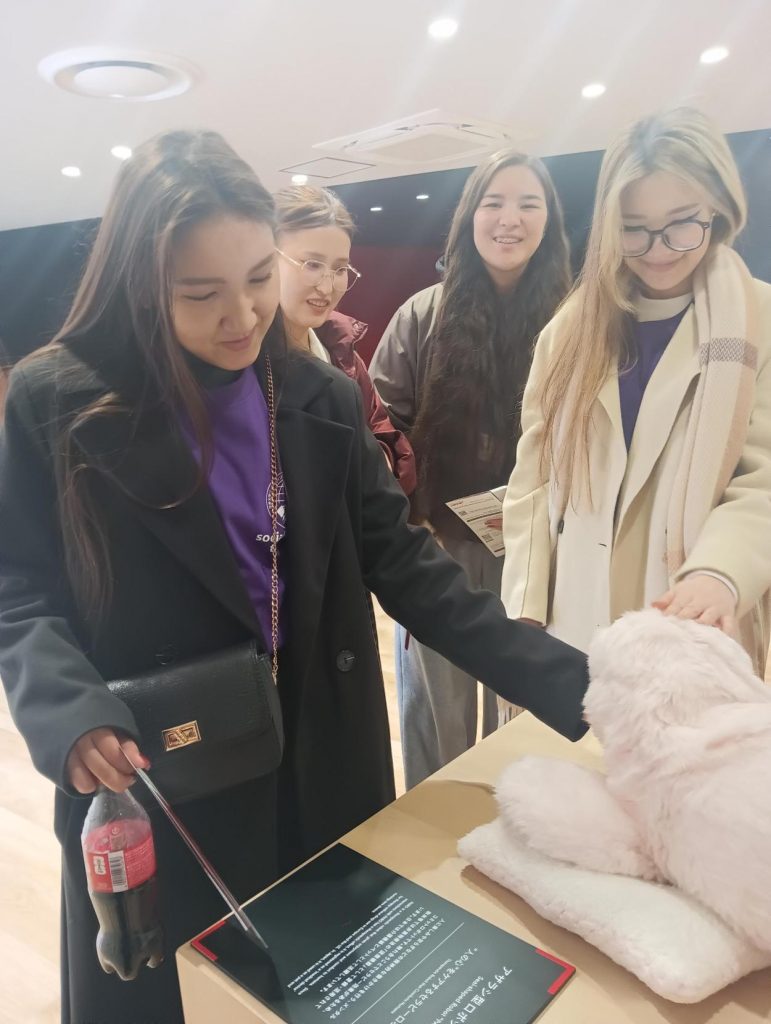
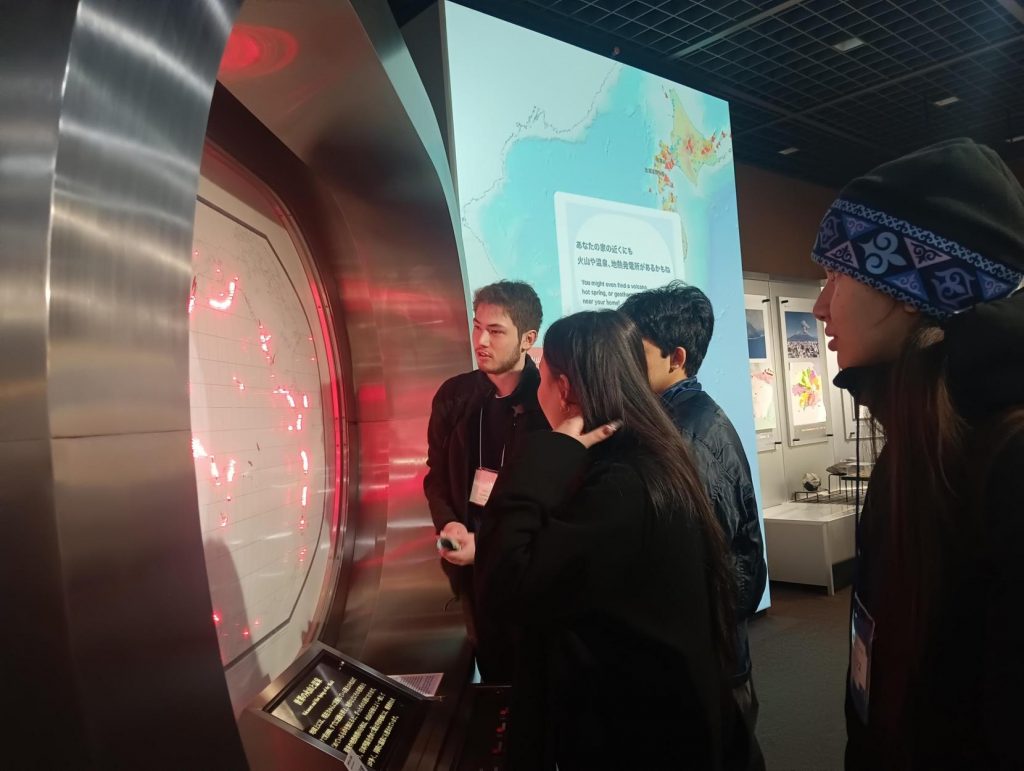
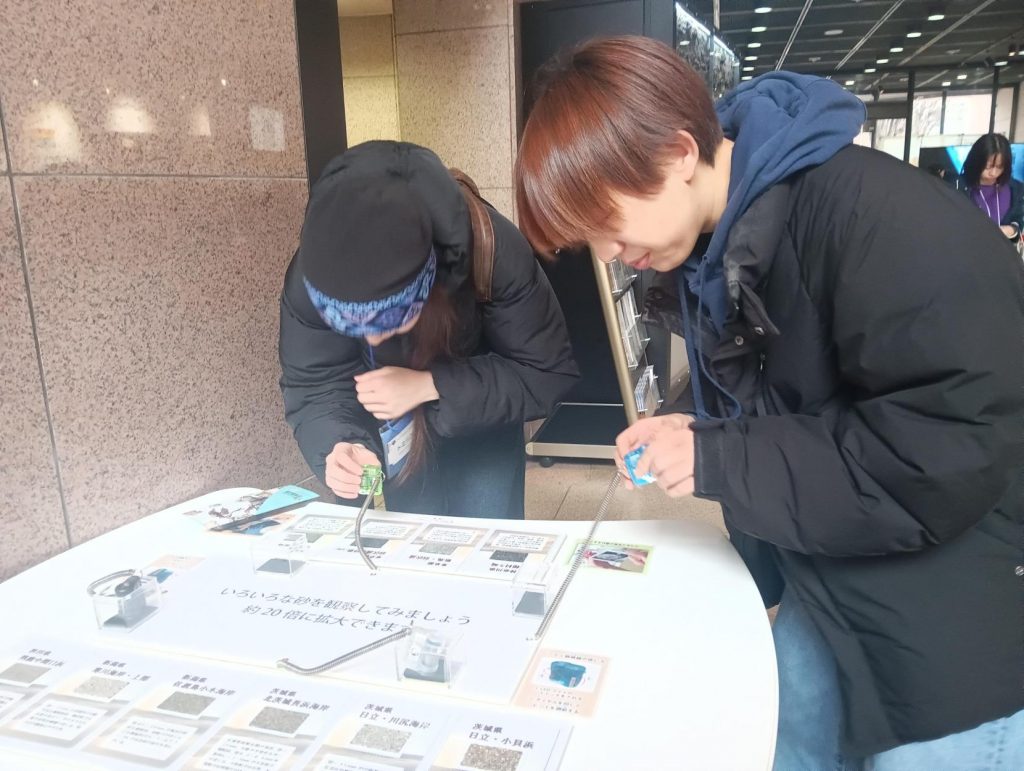
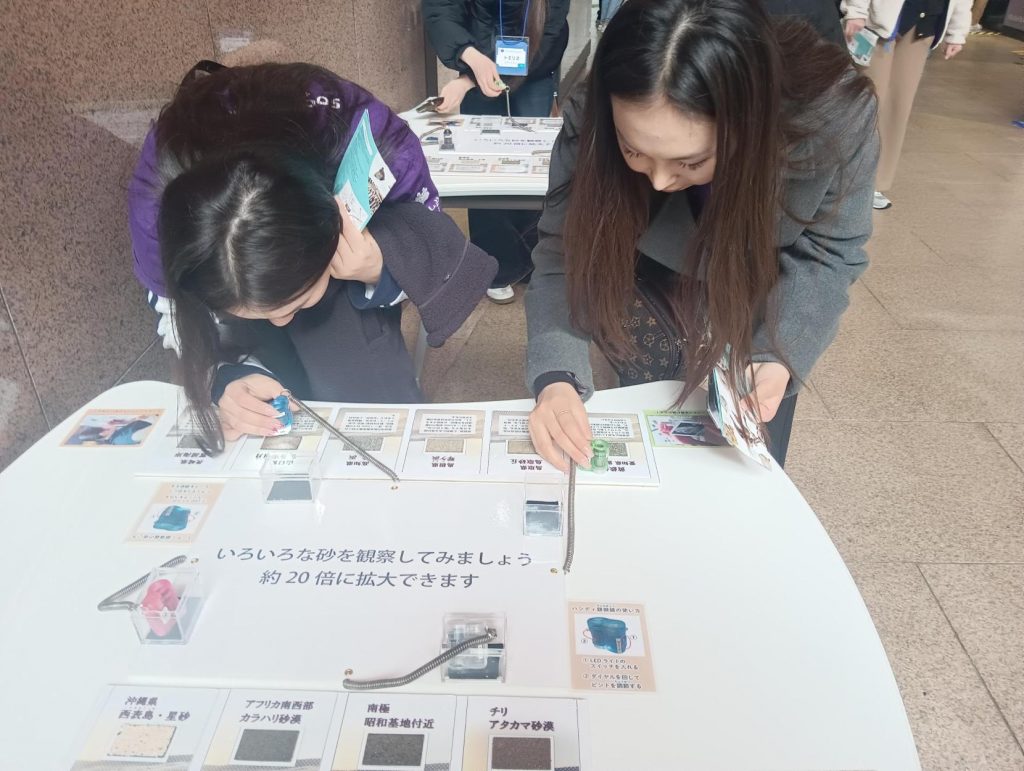
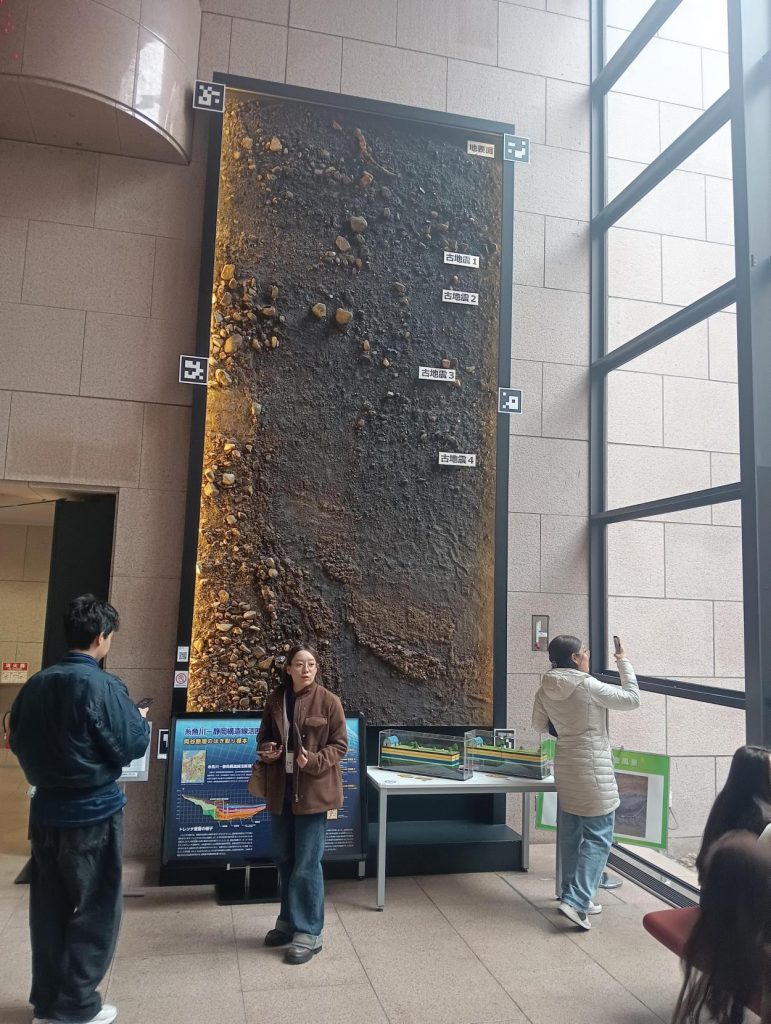
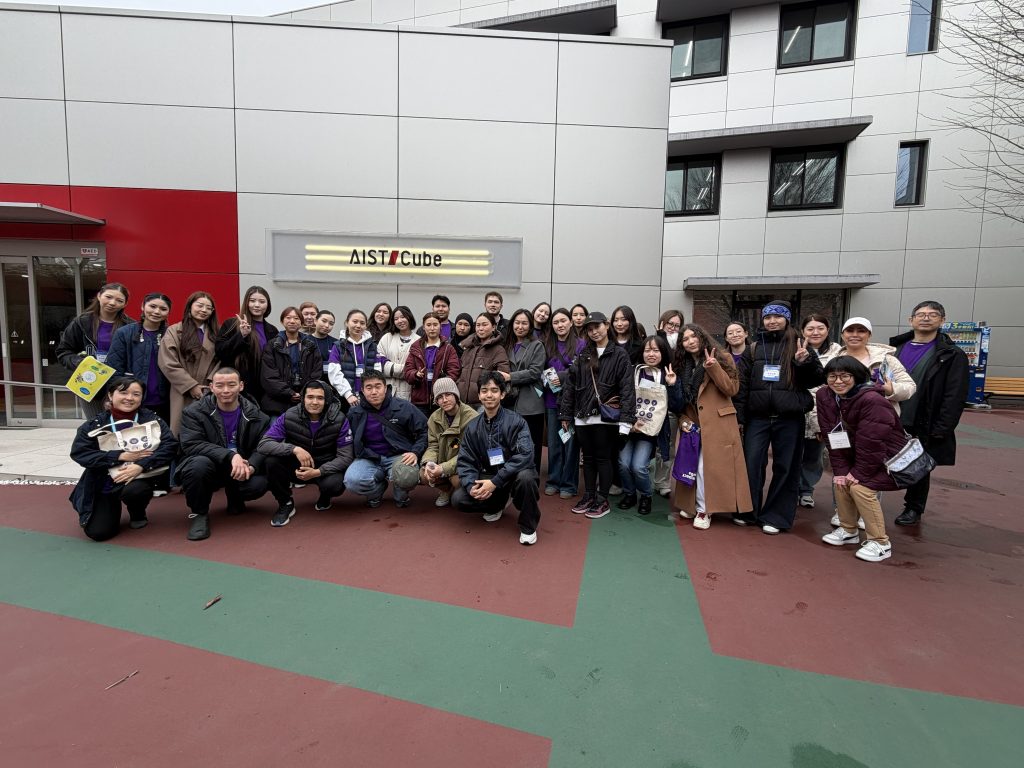
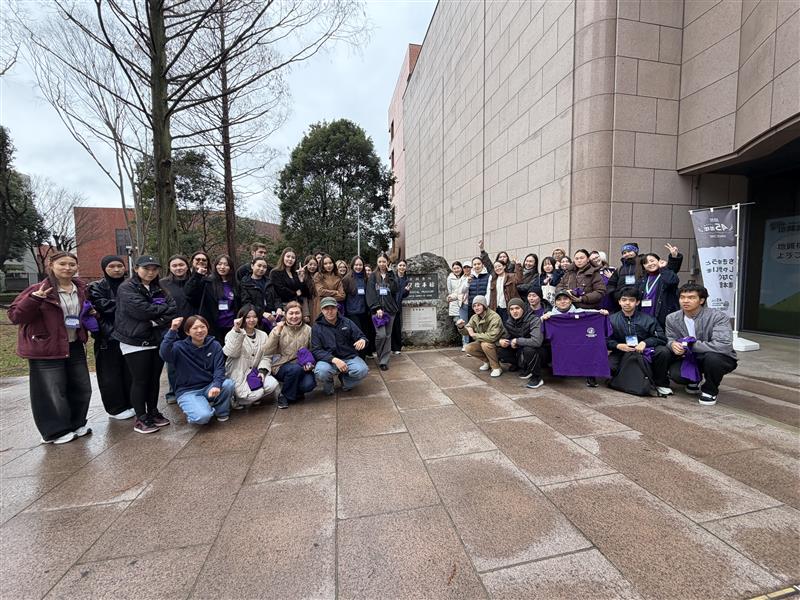
On March 4, students visited the Geological Museum and AIST-Cube at the National Institute of Advanced Industrial Science and Technology (AIST), where they explored scientific research and valuable geological collections.
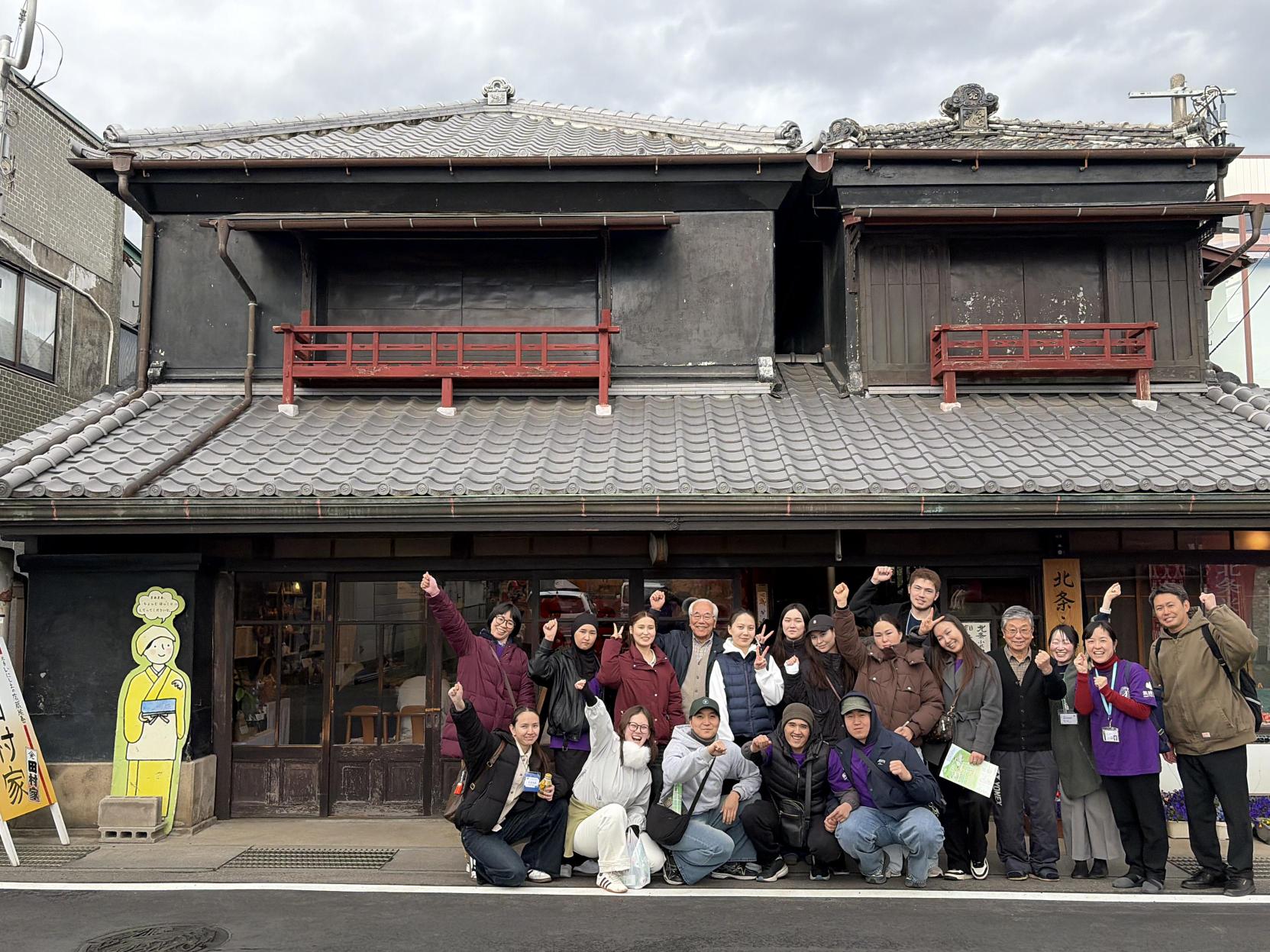
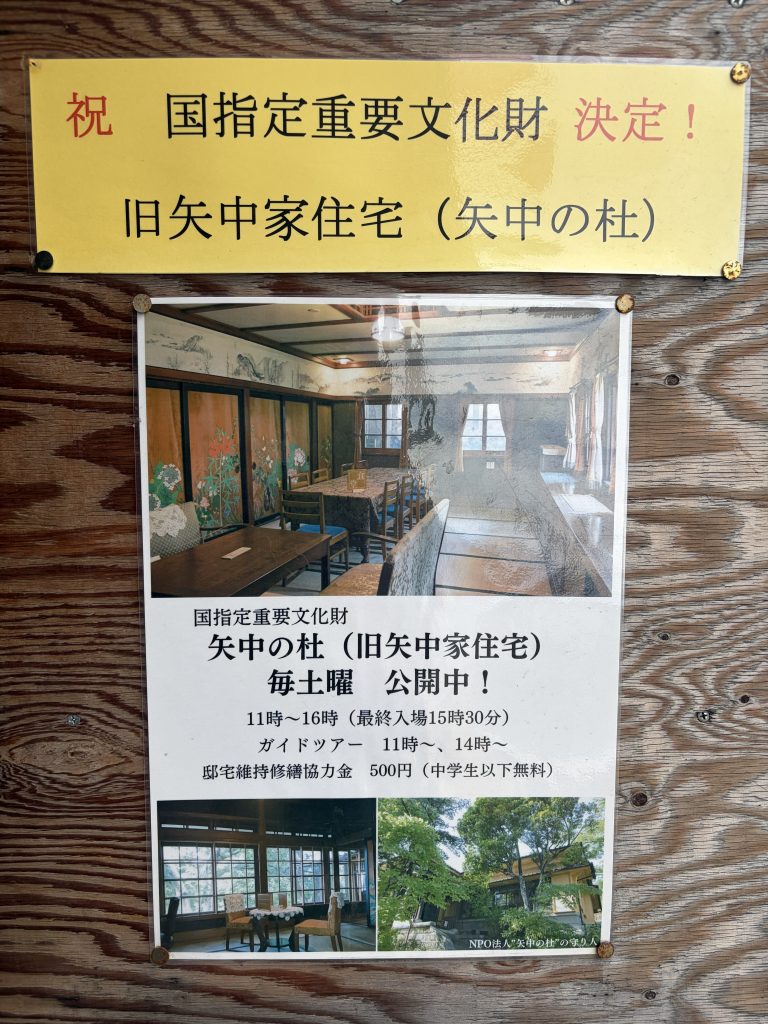
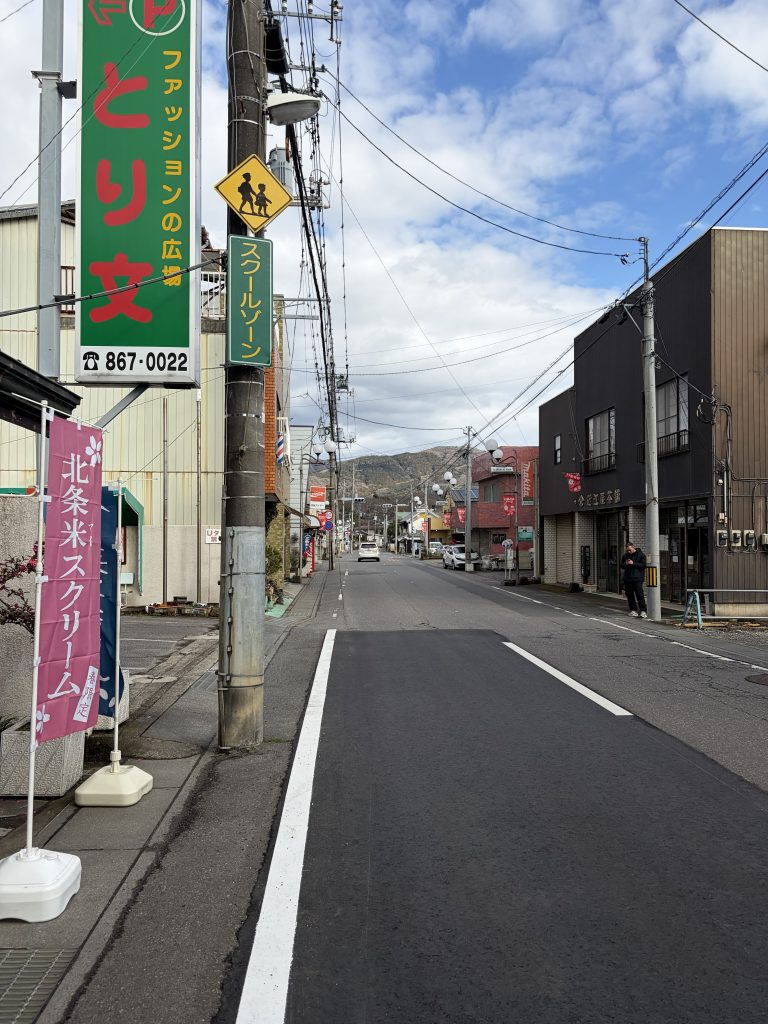
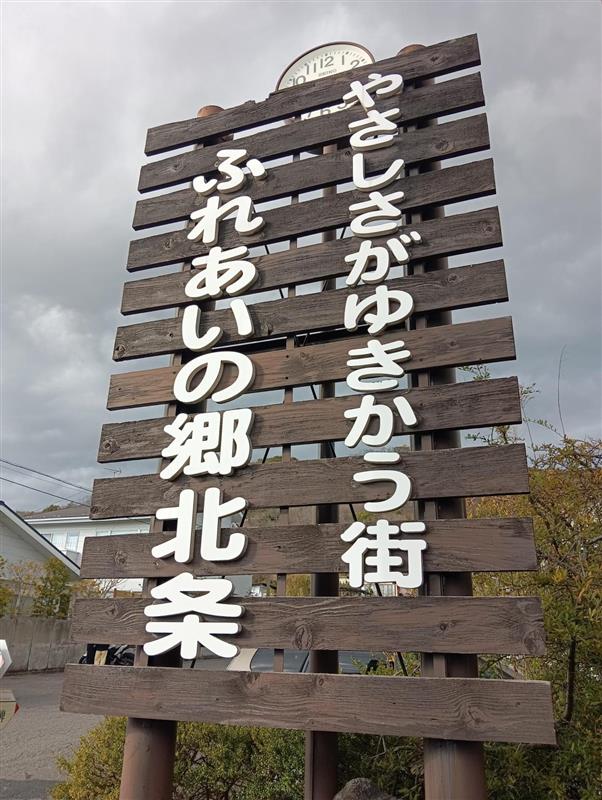
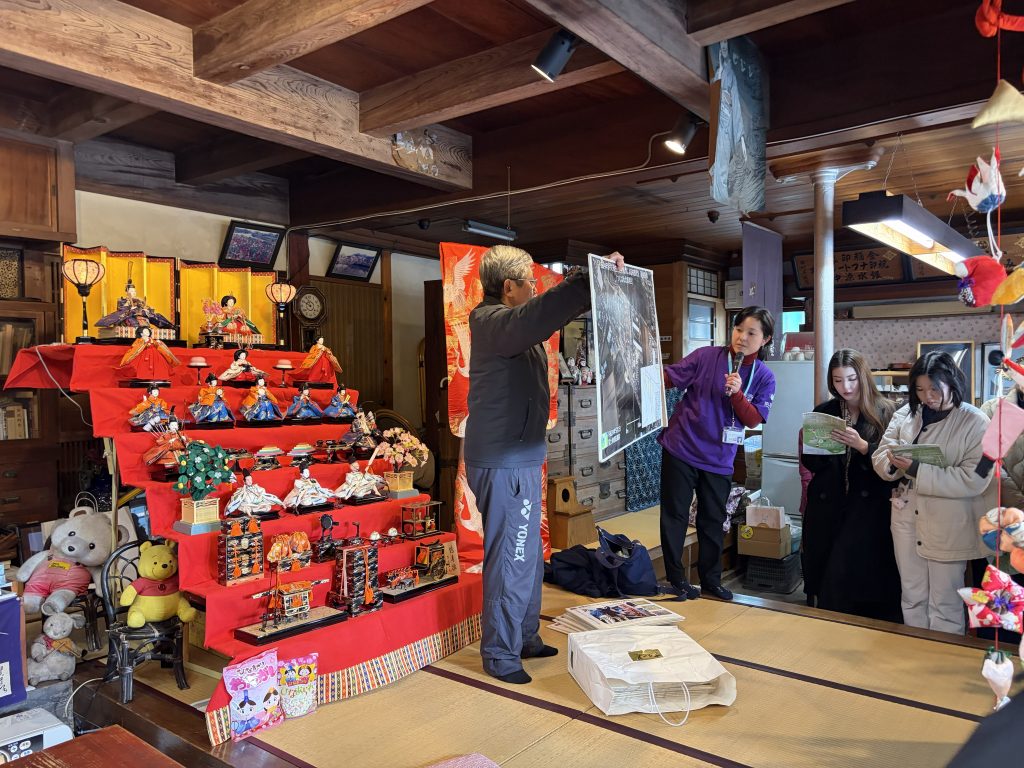
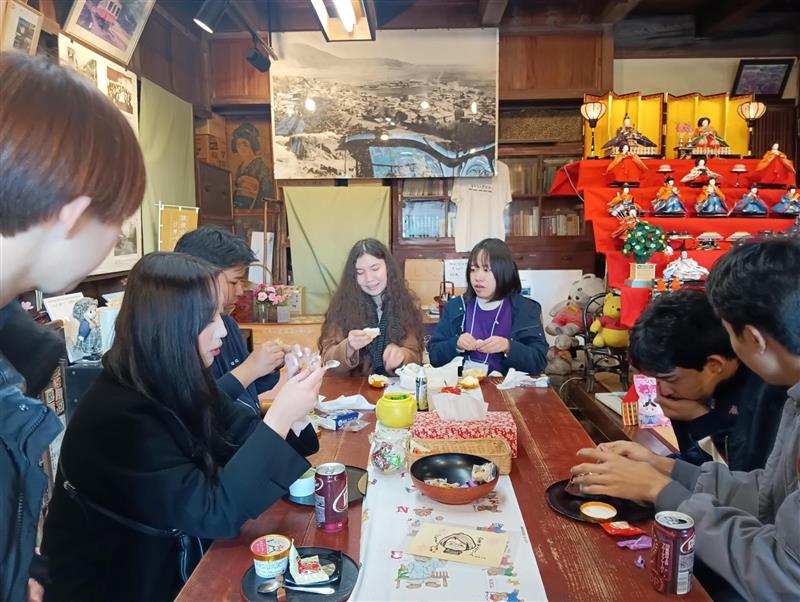
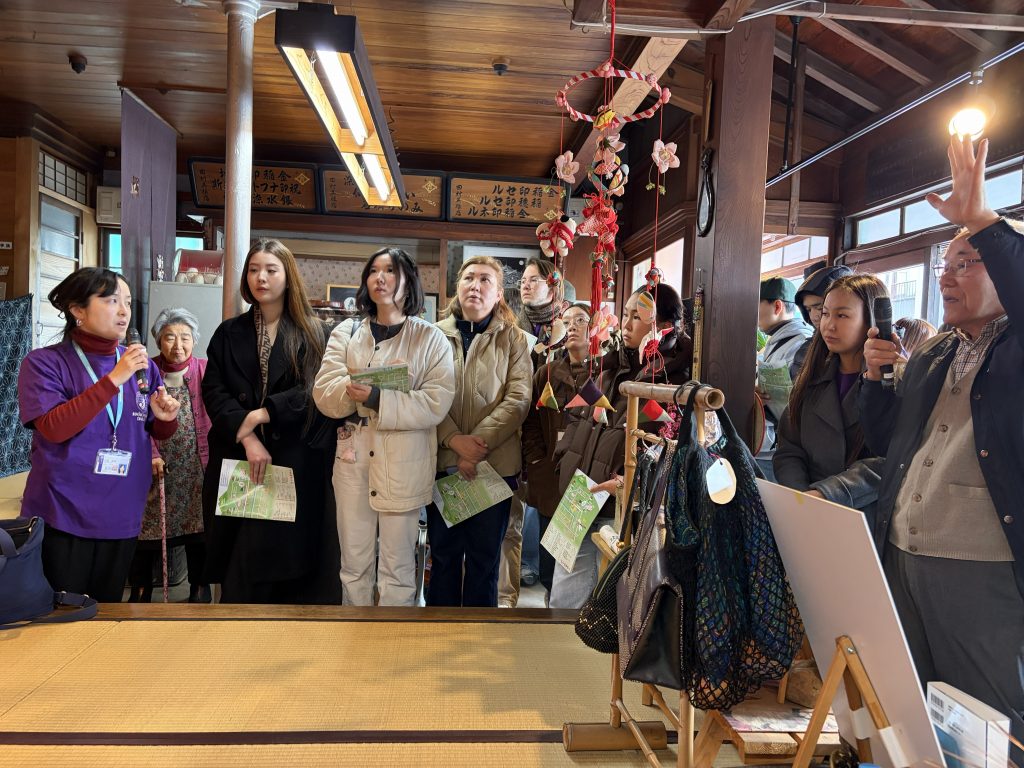
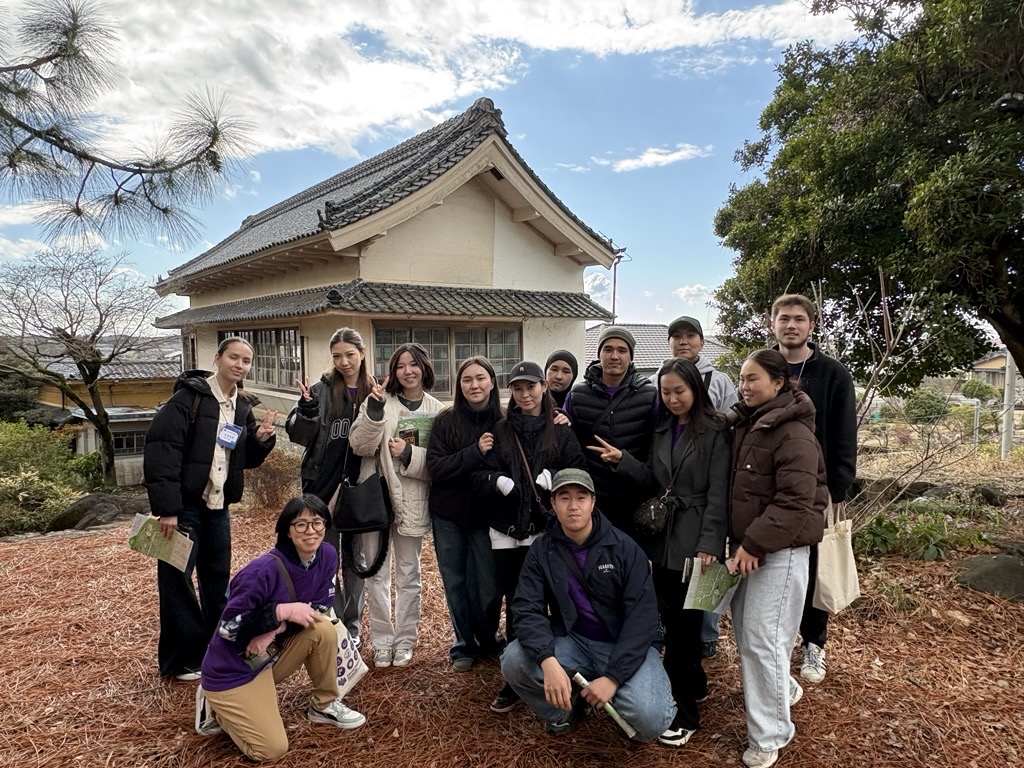
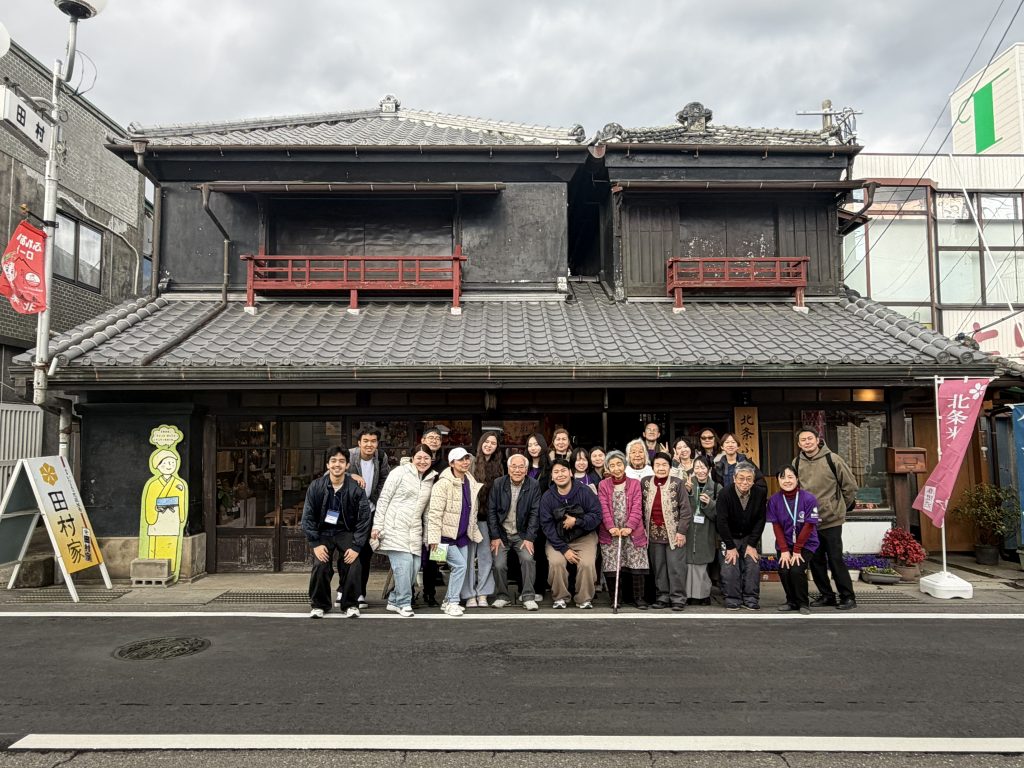
In the afternoon, they visited the Hojo district with city officials and local community members, learning about the area’s history and community revitalization efforts while exploring its historic townscape.
The sakura ice cream sold during the event was also well received by the students. The warm hospitality extended by the local community made a lasting impression, and many participants shared how touched they were by the experience.
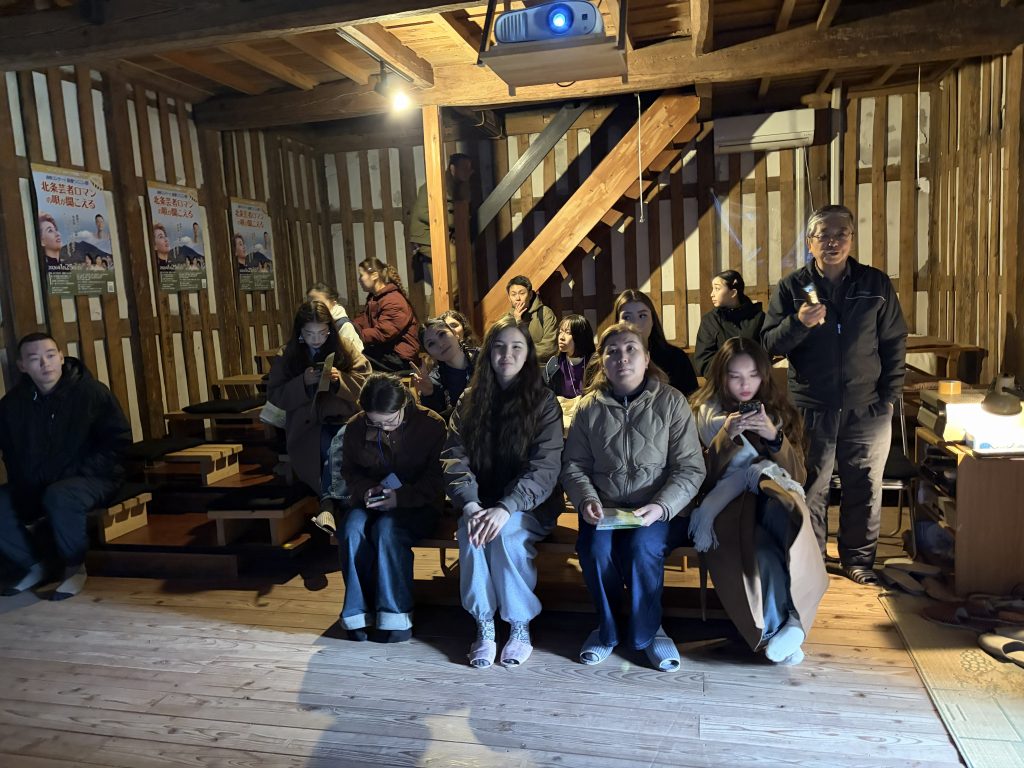
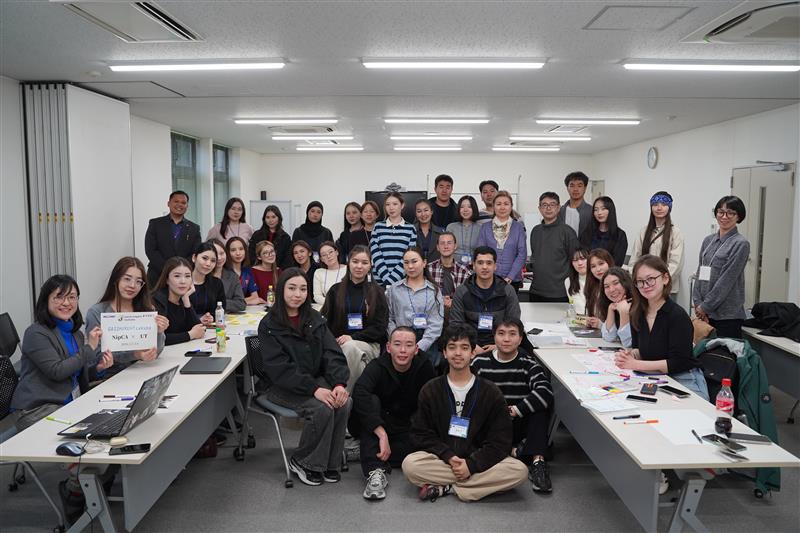
On the final day, March 5, students presented their group projects. Two groups focused on the tourism potential and local resources of the Hojo district, while the other two groups explored ideas related to Tsukuba as a science city. Their proposals included ideas such as a community center connecting different generations, a daily-life support app for international residents, programs linking research institutions, universities, and international students, and a half-day experiential tour in Hojo.
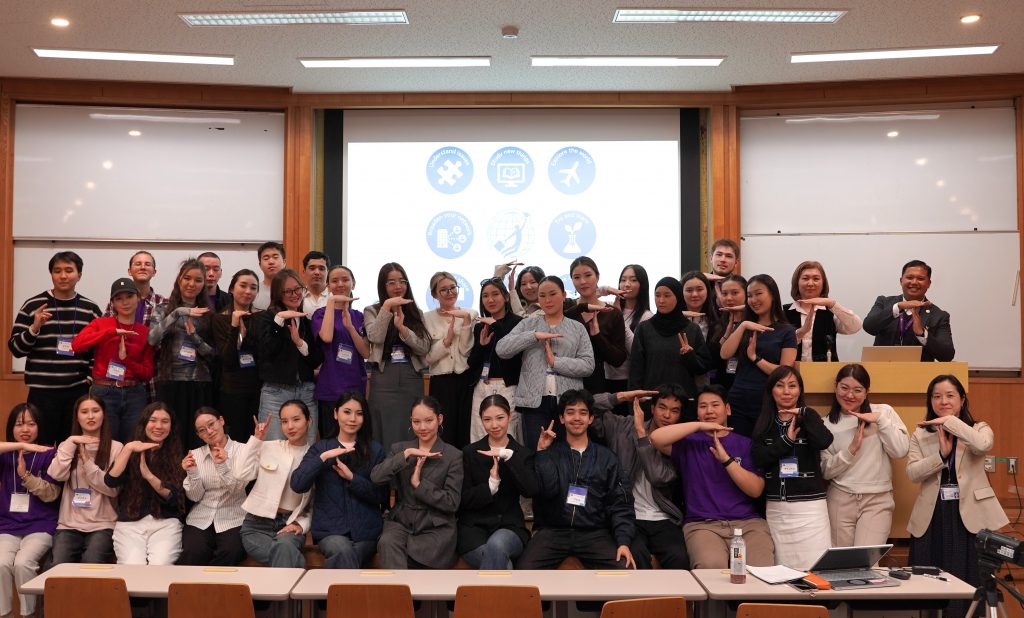
Through this program, students from Central Asia had a valuable opportunity to experience Tsukuba’s unique combination of science, culture, and local community. The program also created a meaningful platform for international exchange and for rediscovering the value of the region from global perspectives.
We would like to express our sincere gratitude to Tsukuba City Hall and the local community members of the Hojo district for their generous support in making this program possible. The University of Tsukuba will continue promoting multicultural collaborative learning initiatives that connect local communities and the world.