第3回多文化共修サロンを実施:多文化共修を“知る・広げる・深める” ~教職員による実践共有と対話~

カテゴリー:

Expanding and Deepening Multicultural Collaborative Learning
— Practice Sharing and Dialogue Among Faculty and Staff —


2026.5.15


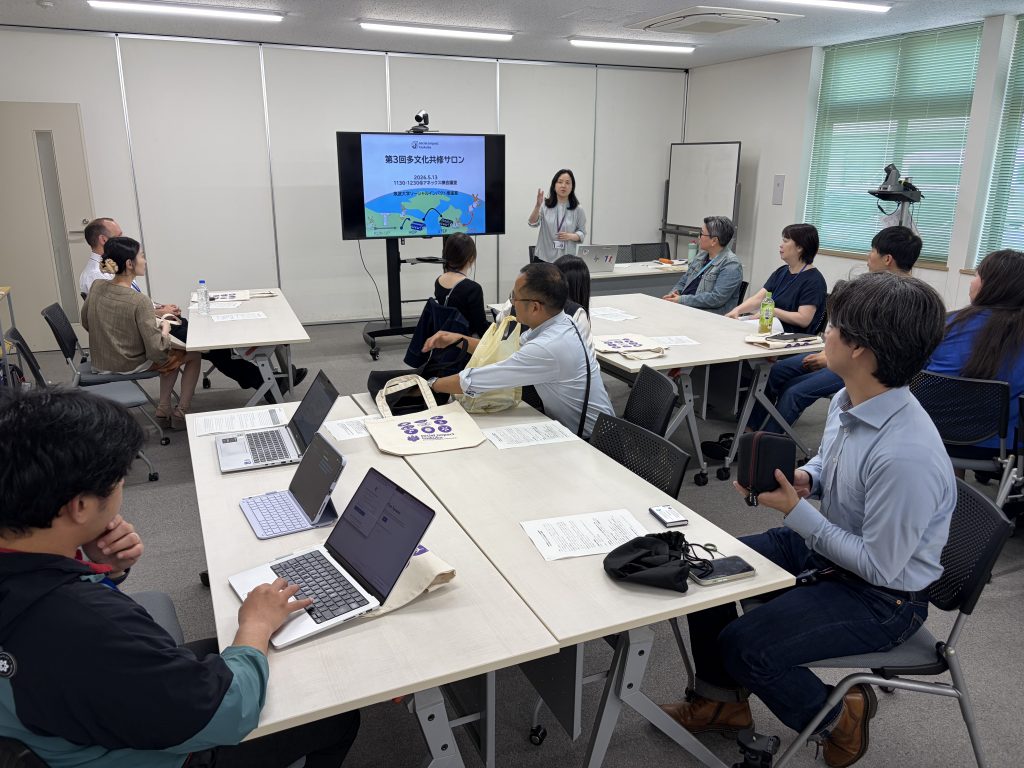
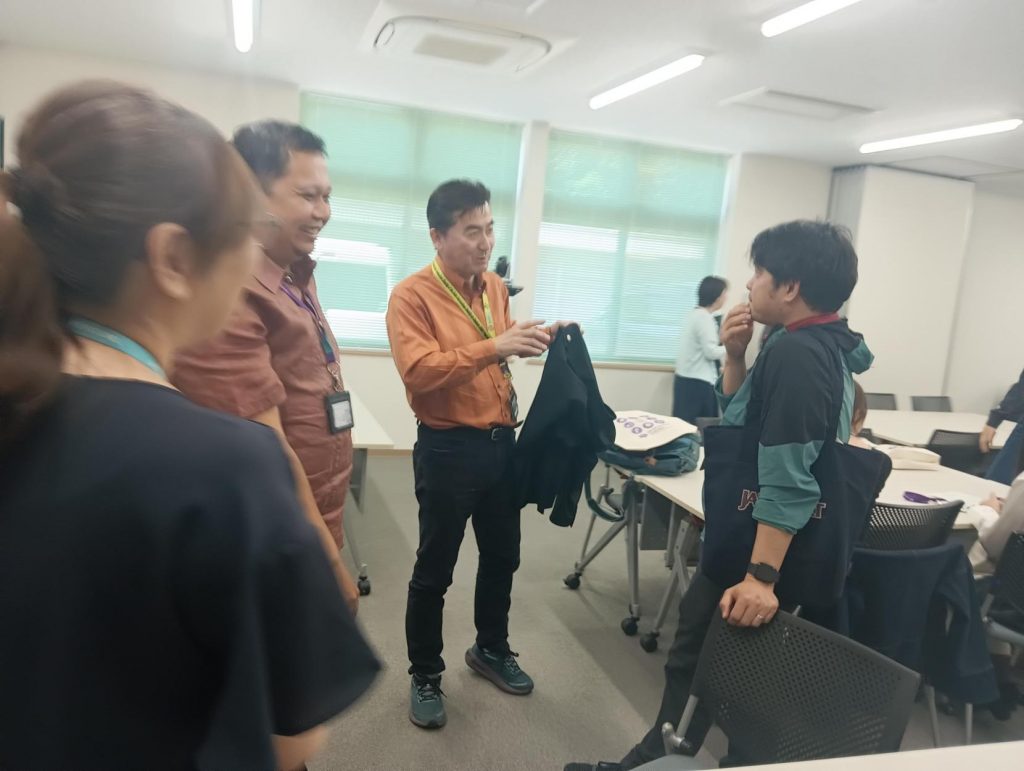
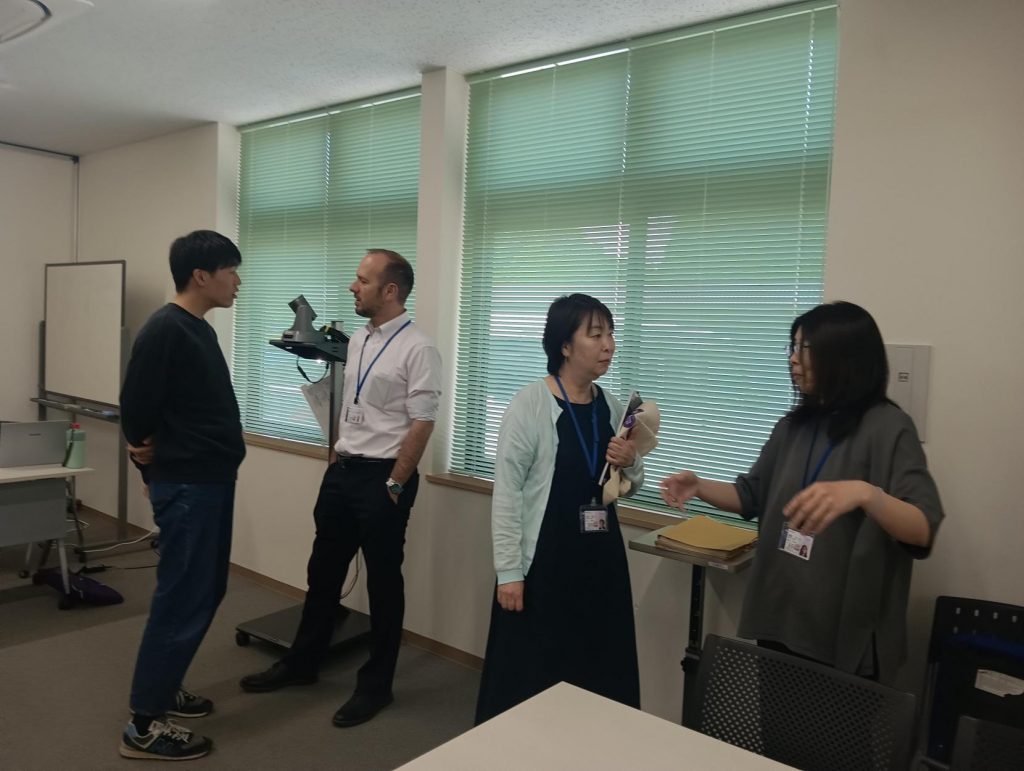
筑波大学ソーシャルインパクト推進室は、2026年5月13日に「第3回多文化共修サロン」を開催しました。本サロンは、令和6年度に採択された「大学の国際化によるソーシャルインパクト創出支援事業」の一環として実施されている多文化共修活動について、教職員同士が実践事例や課題、困りごとなどを自由に語り合い、今後の更なる展開について意見交換を行うことを目的としたものです。
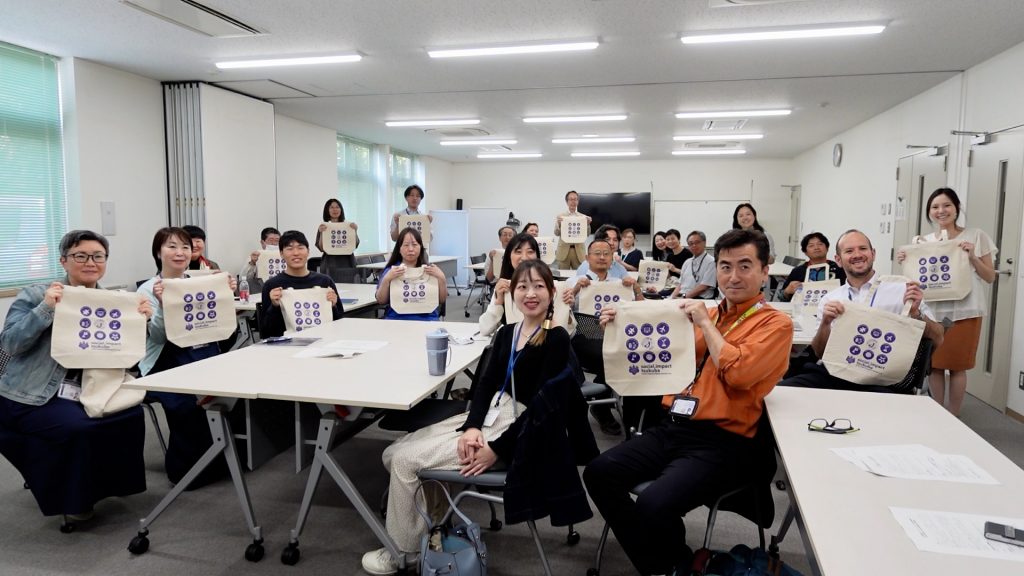
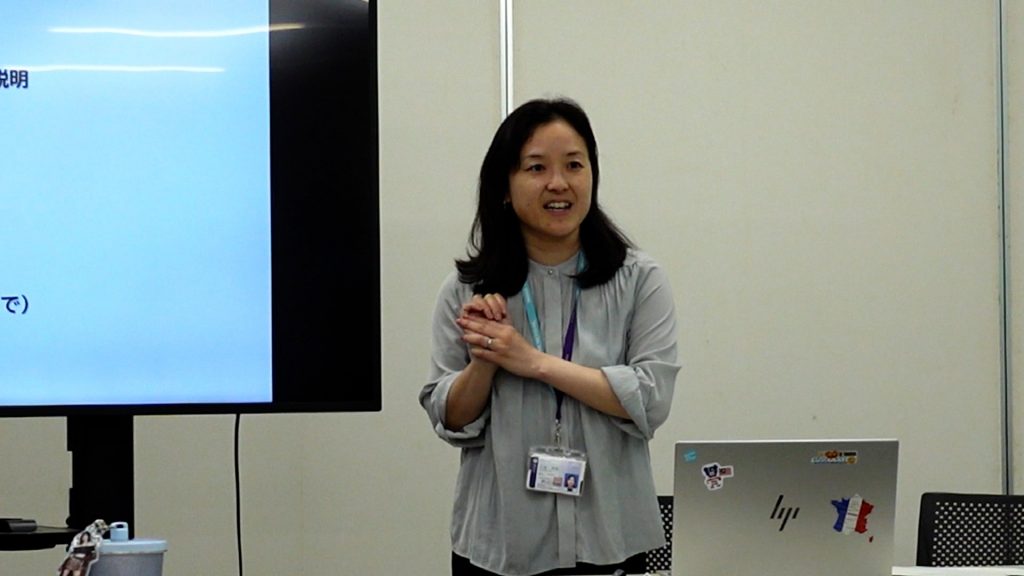
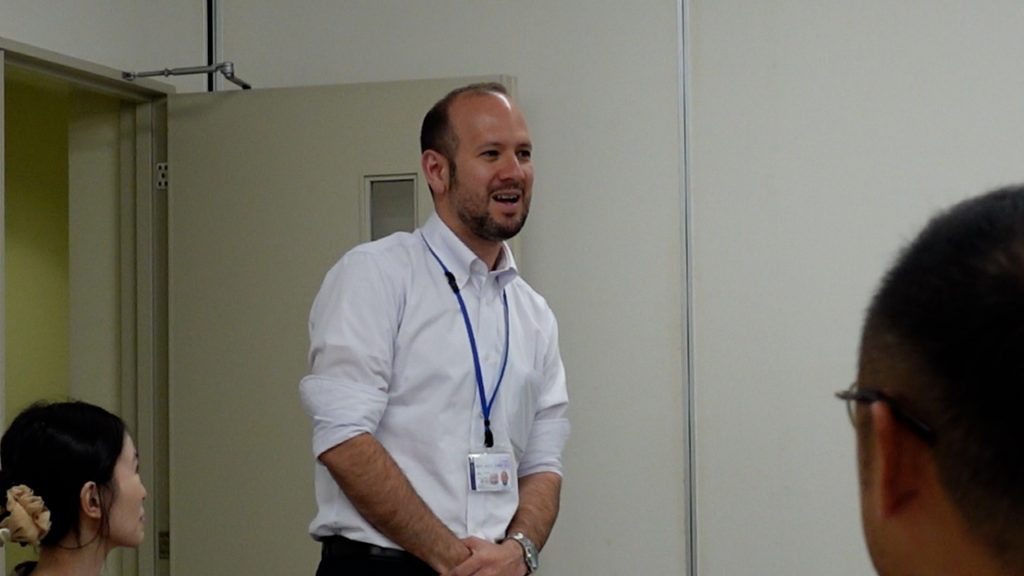
当日は、すでに多文化共修を実践している教職員に加え、これまで実施経験はないものの、今後実践してみたいと考えている教職員などが参加しました。始めにソーシャルインパクト推進室より、新たに本事業のために着任した2名の教員の紹介と多文化共修の概要や本学が目指すグローバルスタートアッパー育成について説明が行われました。続いて、多文化共修タスクフォースリーダーより、特に自治体とのコラボレーションで行われた活動事例や実施上の工夫、現場で直面した課題などが共有されました。その後、プログラムの企画、申請、実施、報告までの流れについて、よくある疑問や注意点を参加者同士で確認し、後半は小グループに分かれ、自由に意見交換が行われました。
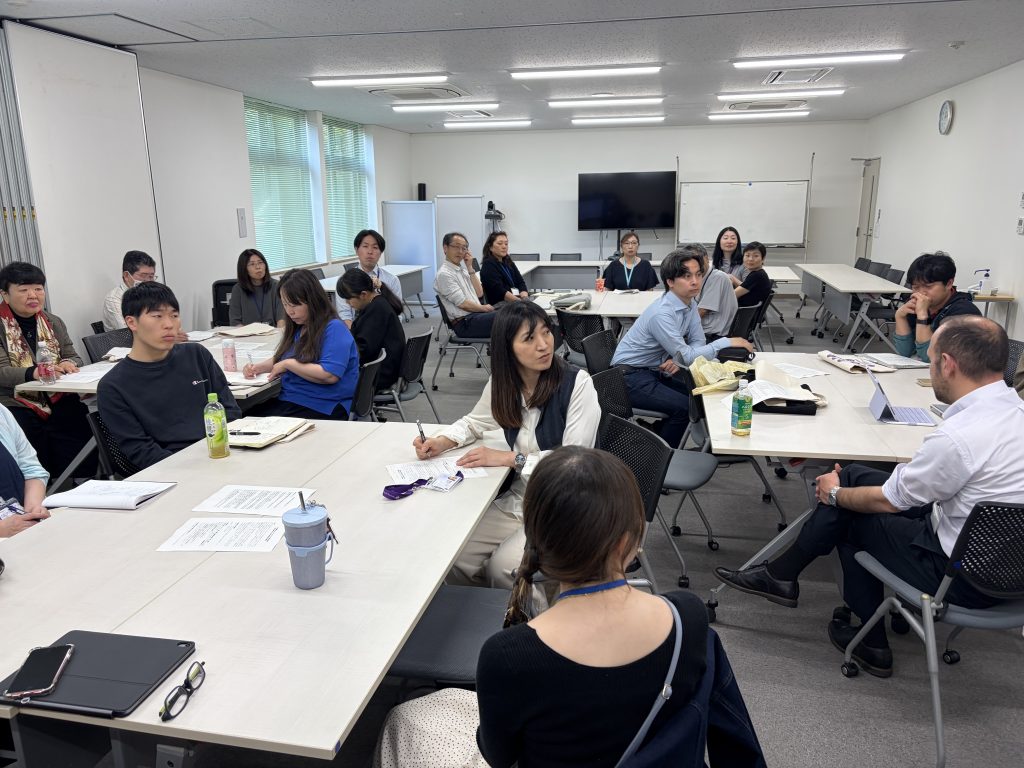
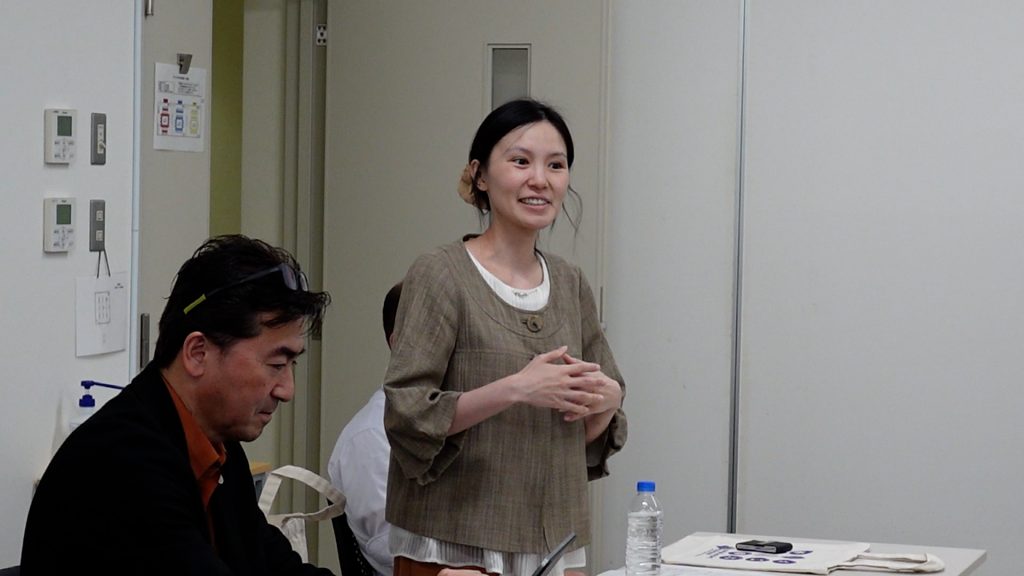
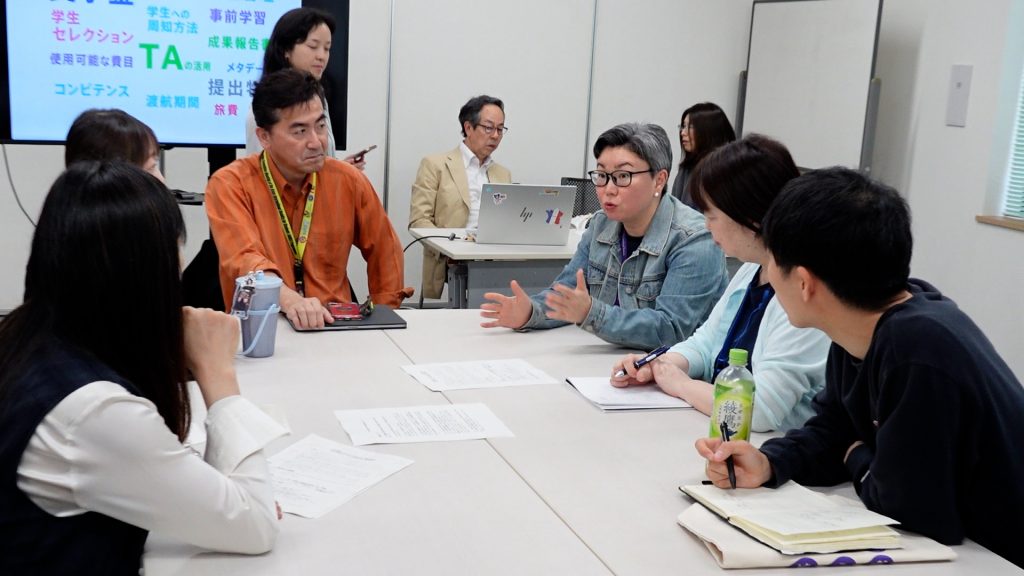
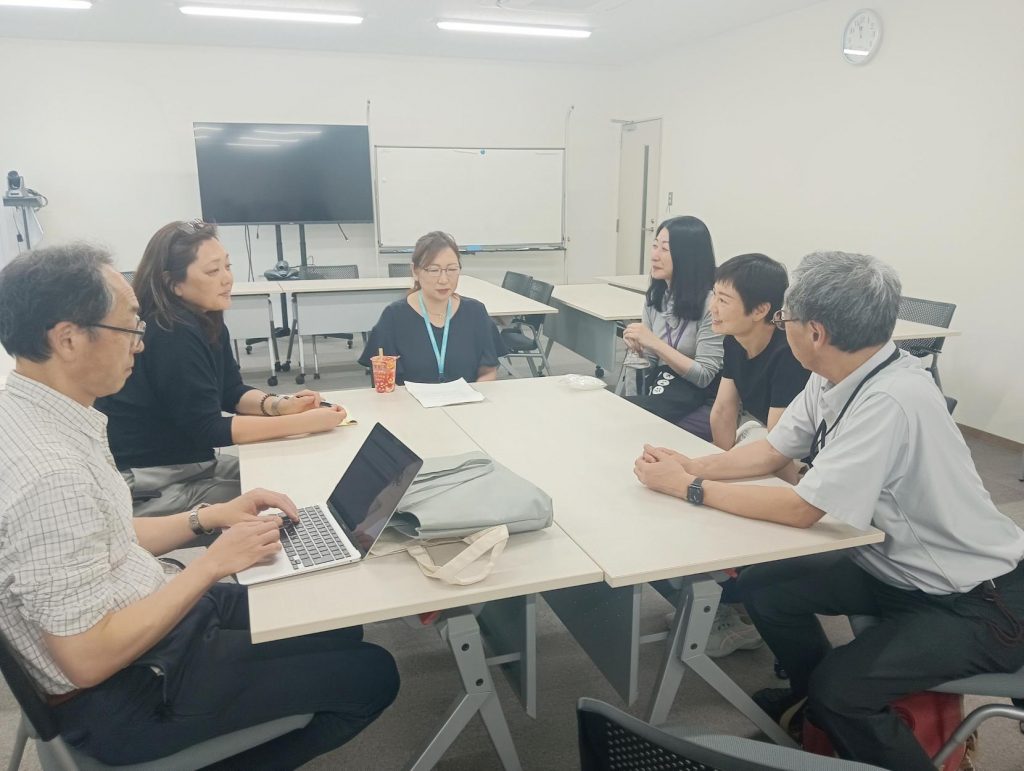
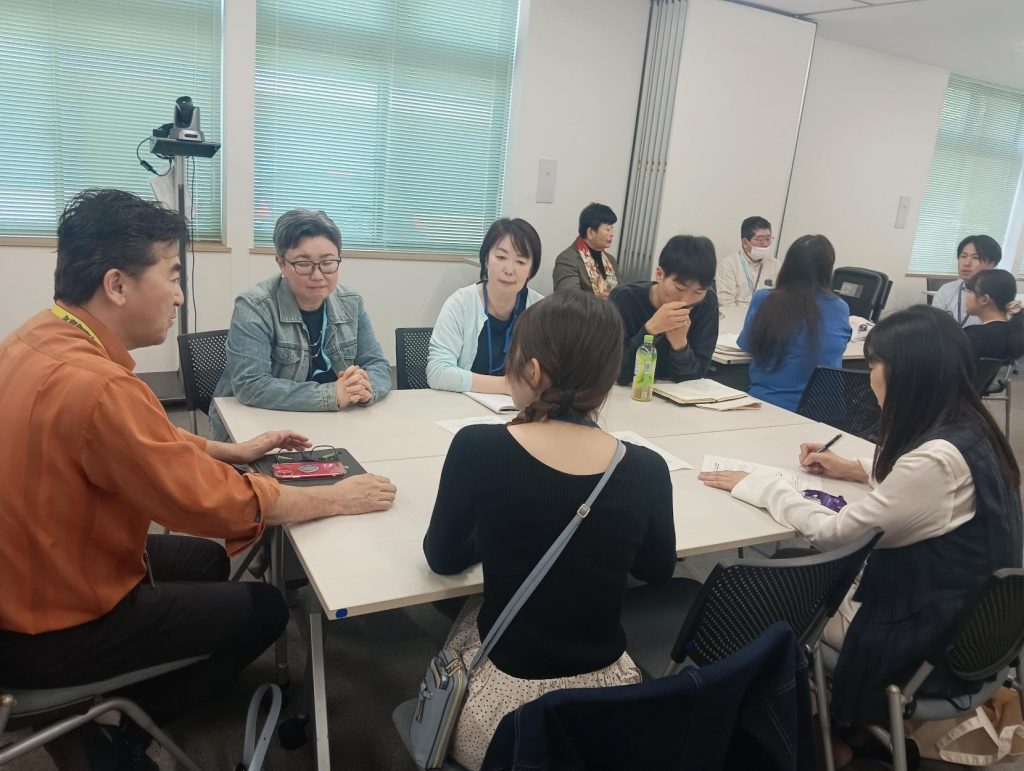
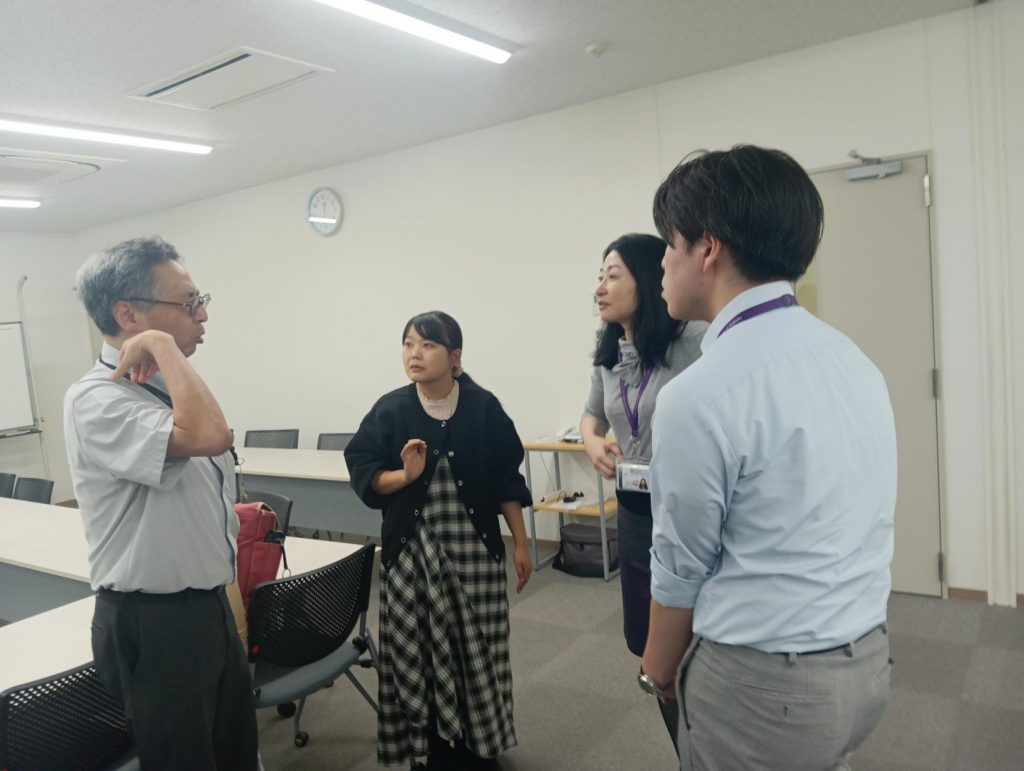
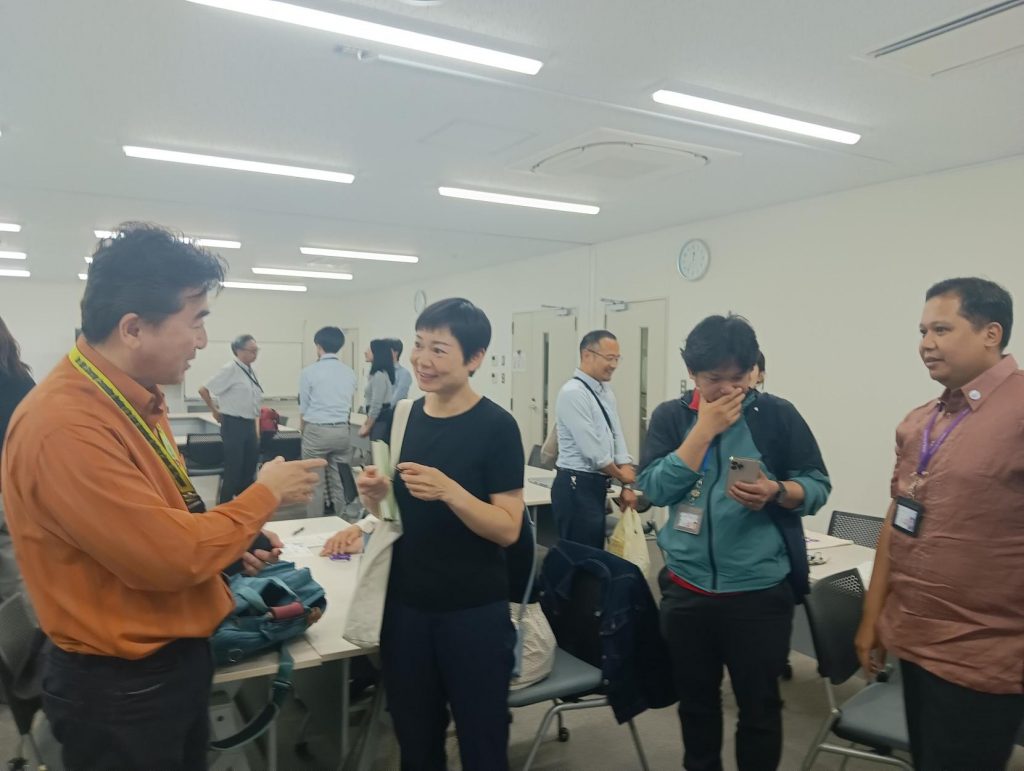
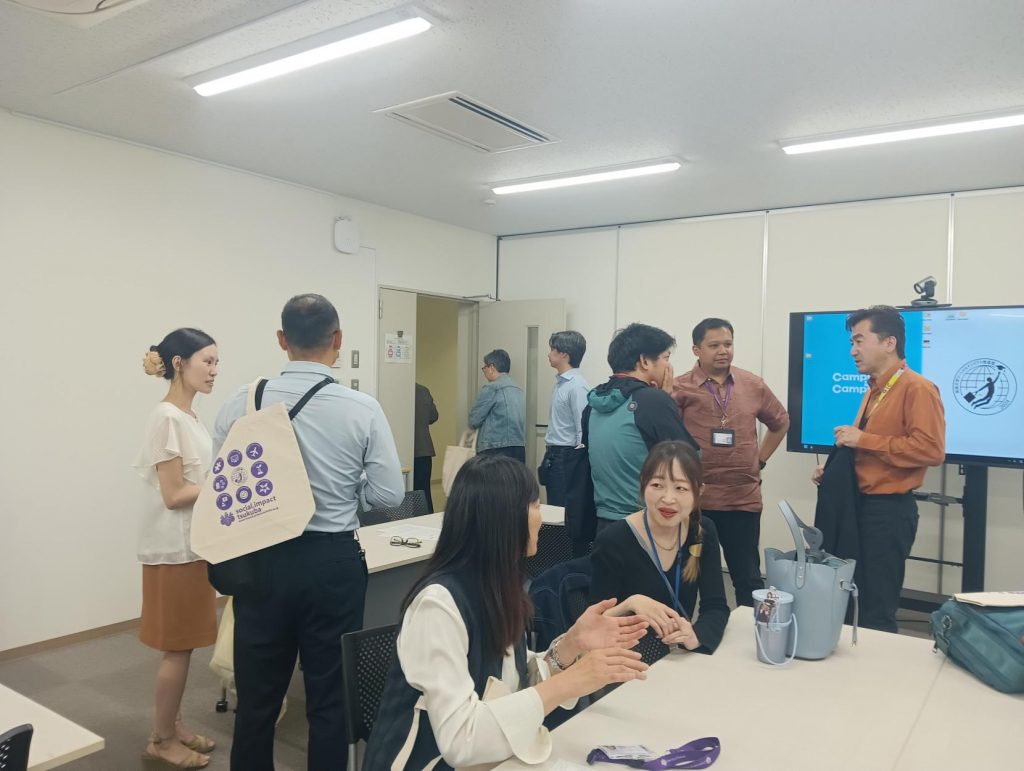
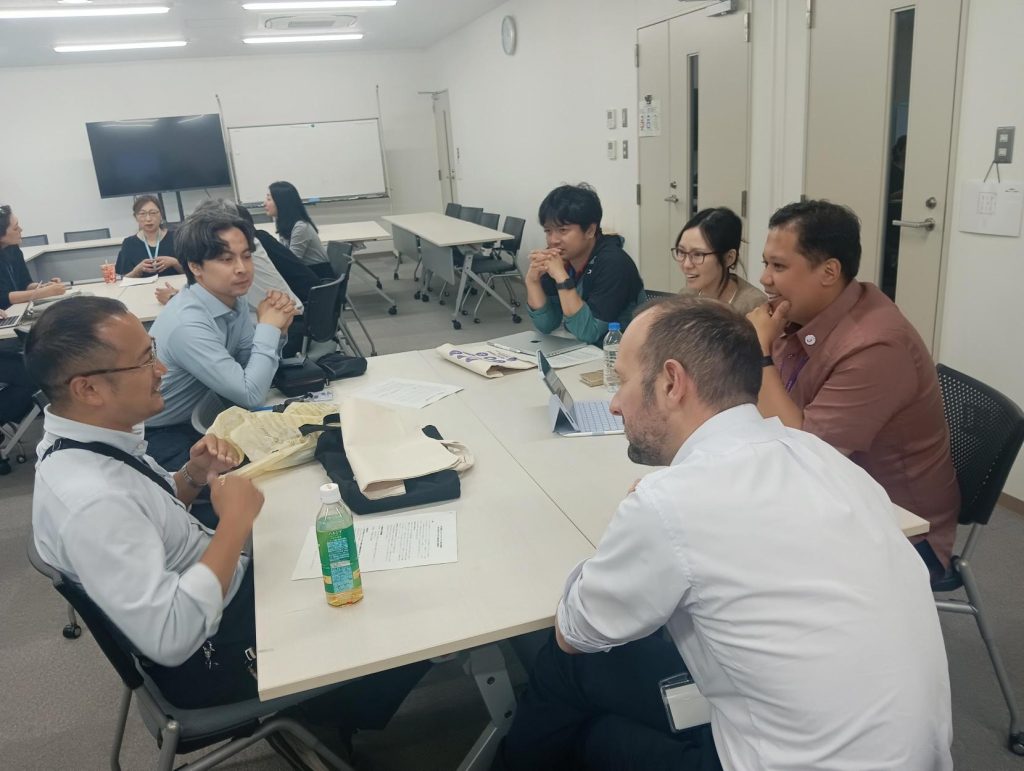
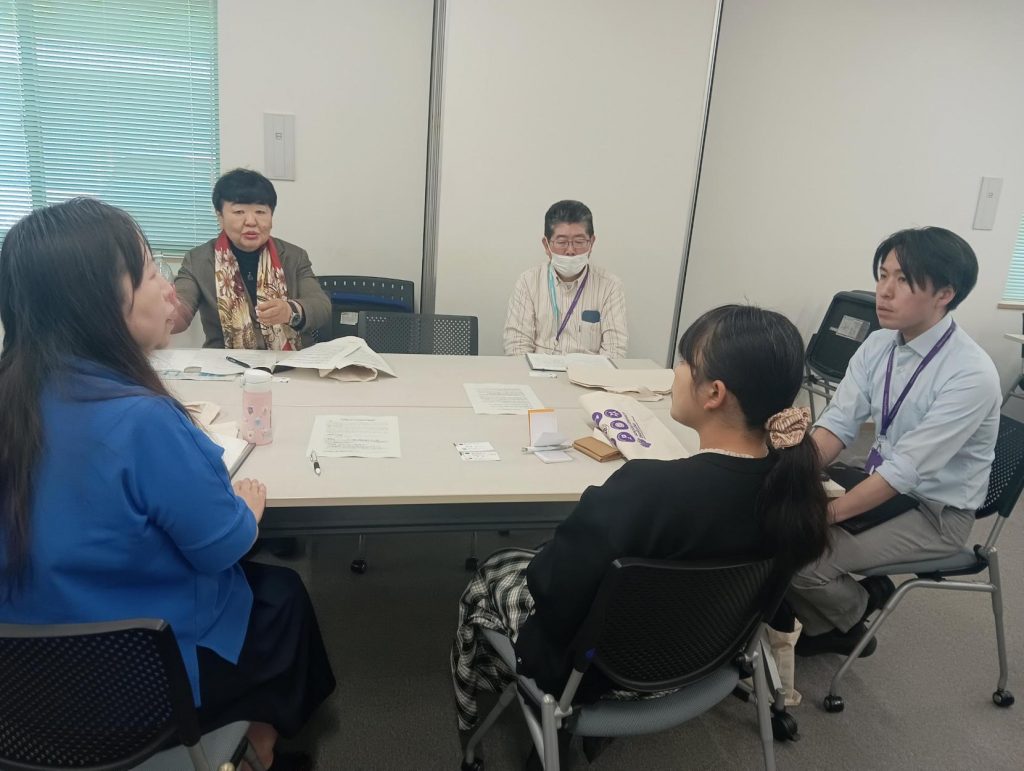
グループディスカッションでは、多文化共修活動を進める上での実務的・教育的な課題について活発な意見交換が行われました。海外大学とのAcademic Yearの違いや実施時期の調整、渡航先による費用差、教員の急な変更時の対応など、運営上の具体的な課題も共有されました。加えて、「学生募集をどのように行うか」「参加メリットをどう伝えるか」といった広報面についても多くの意見が挙がりました。短期間でも濃い学びが得られる点や、企業・自治体・海外大学との協働経験、オープンバッジによる学習成果の可視化などを積極的に発信する必要性が共有され、大学としての広報強化を期待する声も聞かれました。また、多文化共修を単発のイベントではなく、教育として継続的に根付かせていくための学内連携の必要性についても議論が行われました。
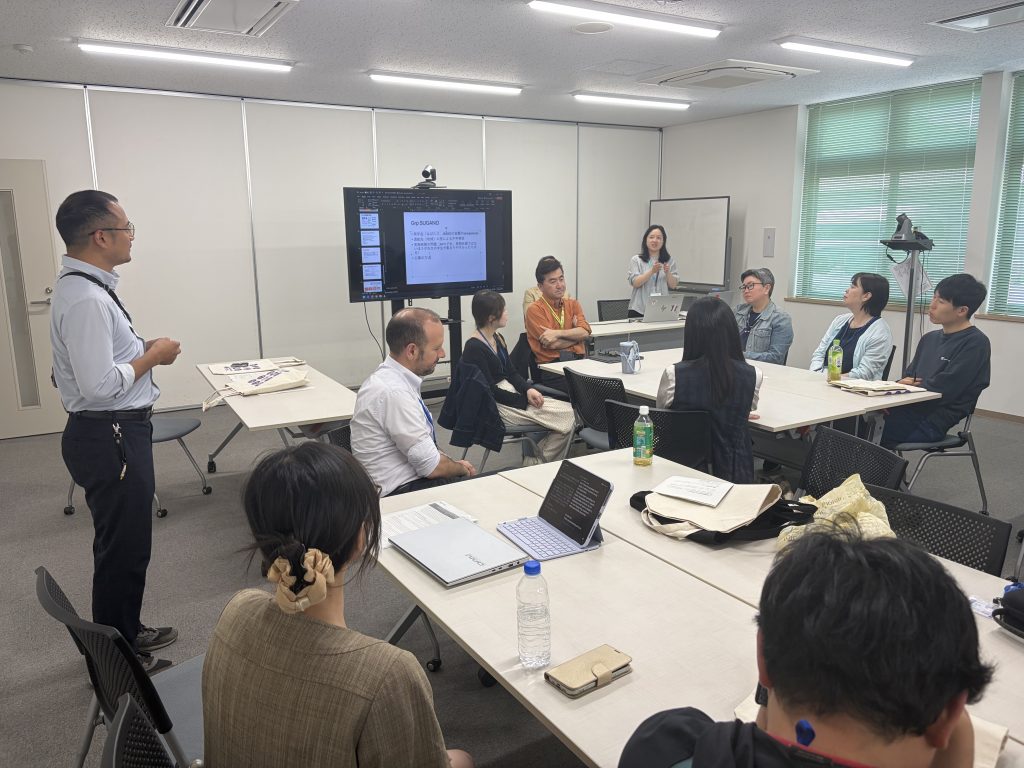
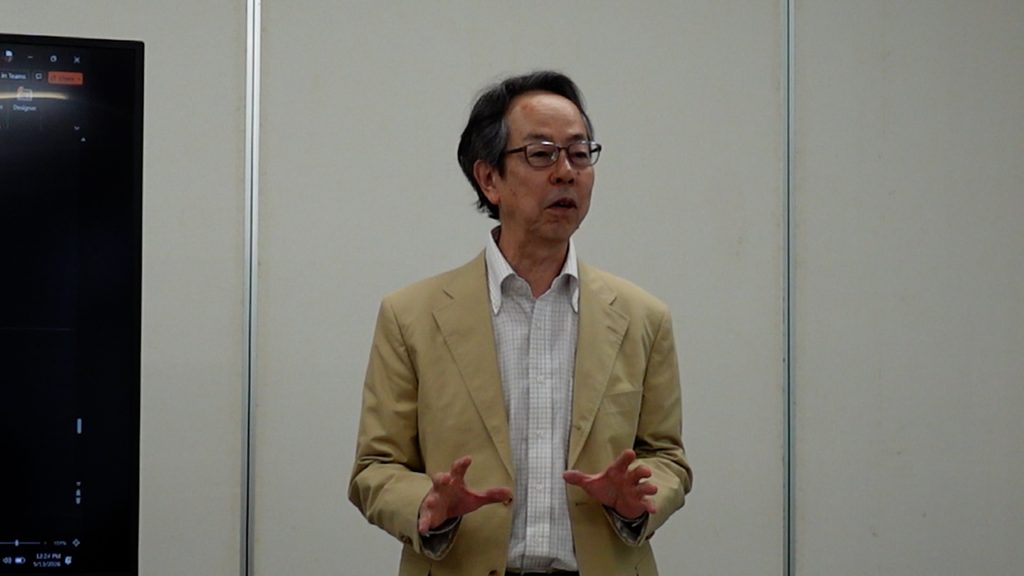
セッションの最後には、池田多文化共修企画会議議長による総括が行われました。その中では、今後の多文化共修活動のさらなる発展に向けて、茨城大学との連携や未来社会デザイン棟の活用可能性についても言及がありました。学内外の多様な主体との協働を通じて、多文化共修が今後さらに広がり、深まっていくことへの期待が共有されました。

参加者からは、「思っていたより自由な雰囲気で、話しやすく、普段悩んでいることが共有できた」「他部局の取り組みを知ることができた」「実践的な課題を共有でき参考になった」「新たな企画のヒントにつながった」といった声が寄せられました。筑波大学ソーシャルインパクト推進室では、今後も教職員同士がつながり、多文化共修活動を共に発展させていく場として、多文化共修サロンを継続的に開催していきます。
The Social Impact Promotion Office at University of Tsukuba held the 3rd Multicultural Co-learning Salon on May 13, 2026. The salon provided an opportunity for faculty and staff to share experiences, challenges, and ideas related to multicultural collaborative learning activities.

The event brought together faculty and staff members who are already involved in multicultural collaborative learning as well as those interested in starting new activities. The session began with an introduction by Coordinator Ishihara from the Office of Social Impact, who explained the University’s vision for fostering “Global Start-Uppers” through multicultural collaborative learning. This was followed by a presentation from Associate Professor Nomura, Leader of the Multicultural Co-learning Task Force, who shared practical examples, especially projects conducted in collaboration with local governments, along with challenges and lessons learned from implementation.

Participants then discussed common questions related to program planning, applications, implementation, and reporting, before moving into small-group discussions. Topics included differences in academic calendars between partner universities, scheduling, travel costs, student recruitment, and how to better communicate the benefits of participation. Participants also discussed the importance of promoting intensive learning experiences, collaboration with companies and local governments, and the use of open badges to visualize learning outcomes.

At the end of the session, Professor Ikeda, Chair of the Multicultural Co-learning Planning Committee, gave concluding remarks and mentioned future possibilities for collaboration with Ibaraki University and the use of the Future Society Design Building. Participants shared strong expectations for the further expansion and development of multicultural collaborative learning activities at University of Tsukuba.

Participants commented that the salon provided a valuable opportunity to openly discuss challenges, learn about initiatives from other departments, and gain ideas for future projects. The Office of Social Impact will continue organizing the salon as a platform for faculty and staff to connect and further develop multicultural collaborative learning activities together.

関連記事:第3回多文化共修サロンを実施します!教職員の皆様、多文化共修の魅力、課題、困りごとなどを自由に語り合いましょう♪ Faculty and Staff, Let’s talk about Multi-cultural Co-learning!! – social-impact.projects.tsukuba.ac.jp